Key takeaways
- A liquidation store buys customer returns, overstock, and shelf pulls in bulk lots for a fraction of retail, then resells them cheap.
- Bin stores use a declining price cycle: items cost the most on restock day and drop each day until a dollar or quarter clearance day.
- Online liquidation marketplaces sell by the pallet or truckload and usually require a resale certificate, while brick-and-mortar stores sell single items to walk-in shoppers.
- Most liquidation sales are final, so test electronics and check for missing parts before you pay.
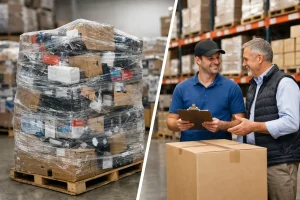
A liquidation store sells brand-name merchandise for a fraction of its original price by buying customer returns, overstock, and shelf pulls in bulk from major retailers. That is the whole model in one sentence: retailers need to clear unwanted inventory fast, liquidation stores buy it cheap by the pallet, and shoppers get the savings.
This guide walks through how these stores get their stock, how they price it, the difference between online and physical liquidation, how to source inventory if you want to open your own, and the warning signs to watch for as a shopper.
What a Liquidation Store Is and How It Is Stocked
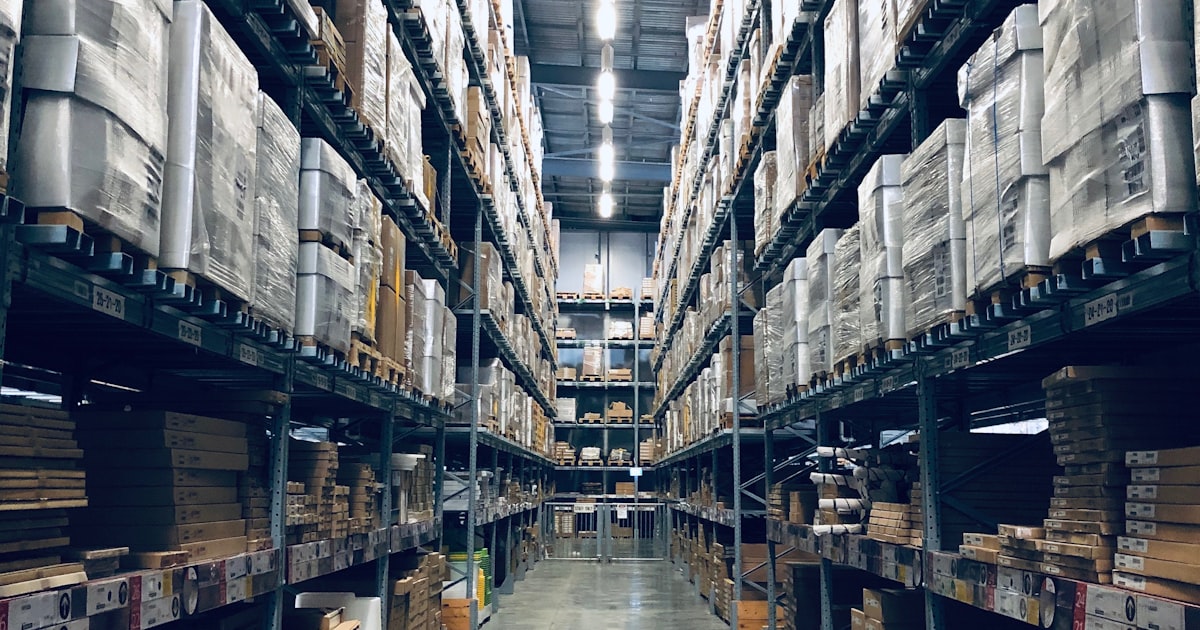
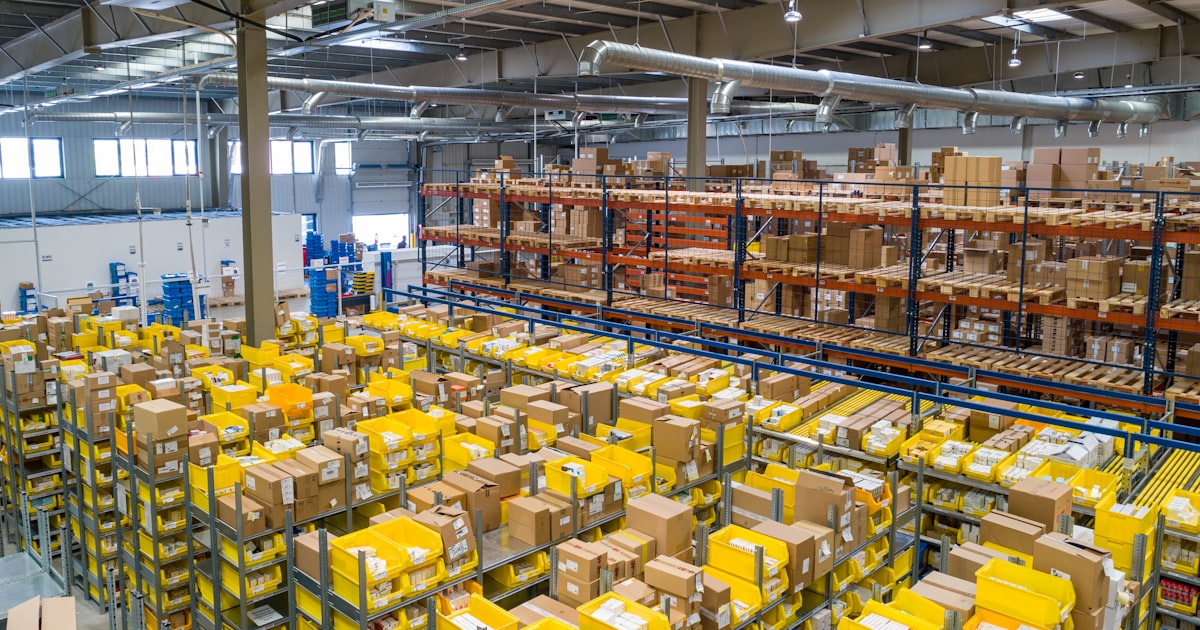
A liquidation store is a retailer that specializes in selling excess, returned, or discontinued merchandise that larger companies no longer want on their own shelves. The inventory comes from a few predictable sources.
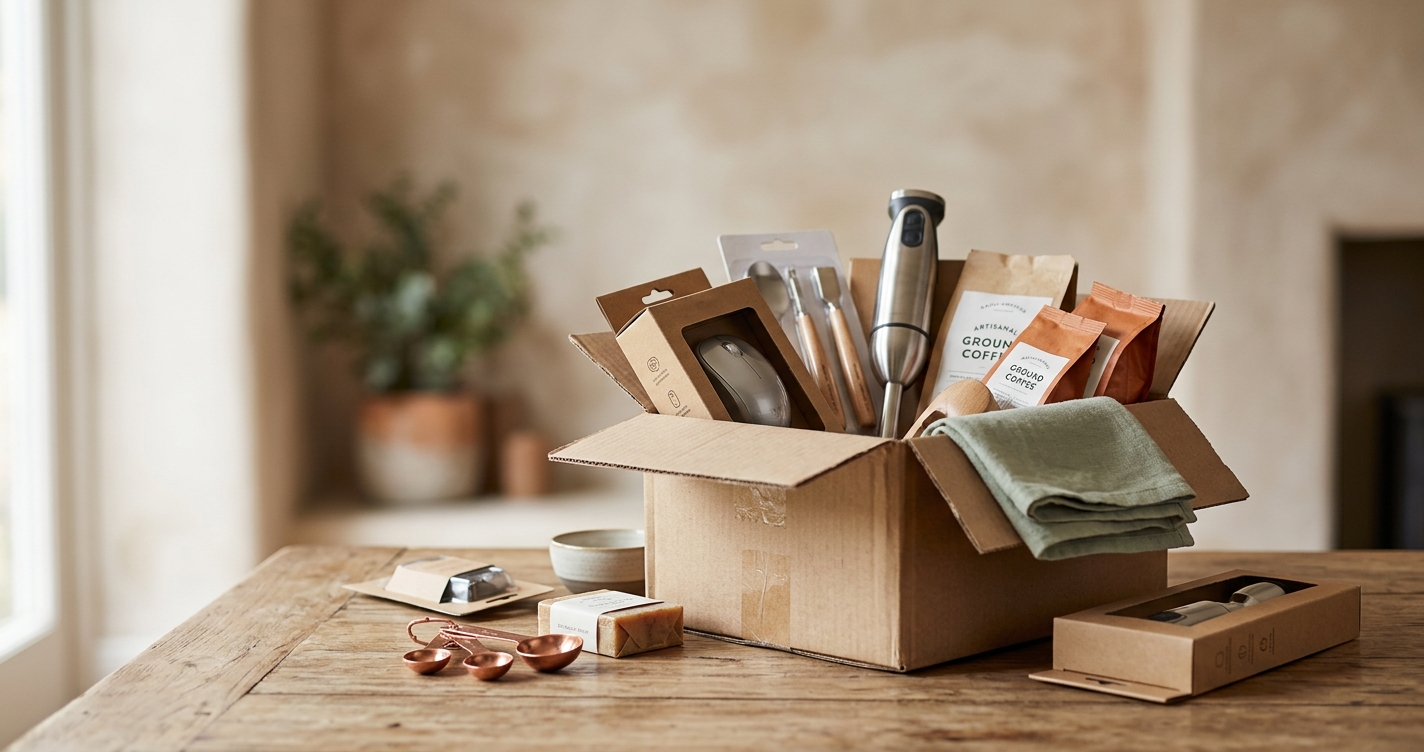
- Customer returns. Shoppers buy something, change their mind, and send it back. Retailers often cannot legally or practically resell these items as new, so they sell them off in bulk.
- Overstock. Stores over-order or a season ends, leaving unsold product that has to move to make room for new merchandise.
- Shelf pulls. Items removed from the sales floor because of dented packaging, a discontinued line, or a seasonal rotation.
- Closeouts. End-of-line products from a manufacturer or a retailer exiting a category entirely.
Returns are the biggest driver behind this whole industry. The National Retail Federation projected that consumers would return nearly $850 billion in merchandise in 2025, about 15.8% of annual sales. Online shopping pushes that number higher: the same NRF report found that 19.3% of online sales would be returned in 2025, a higher rate than in-store purchases. All of that returned product has to go somewhere, and a large share ends up in the liquidation pipeline.
A liquidation store buys this merchandise at a steep discount, often only a small share of the original retail value, which is what makes the deep in-store markdowns possible.
How Liquidation Stores Price Their Inventory
Pricing depends on the store format. Traditional liquidation and outlet stores price item by item, tagging each product at a percentage off its original retail. The more interesting model is the bin store, which has spread quickly across the country.
A bin store dumps mixed liquidation goods into large open bins and charges one flat price for every item, regardless of what it originally cost. On the busiest stores, a cordless drill and a phone case sit in the same bin at the same price. What makes it a game is the declining price cycle tied to the day of the week.
- Restock day (often Friday or Saturday): highest price, best selection. Everything in the bins costs the same premium flat rate.
- Mid-week: the flat price drops by about a dollar each day as selection thins out.
- Clearance day: the last day before the next restock, when items fall to a dollar or even a quarter.
The tradeoff is simple. Shop early and pay more for the best pickings, or shop late and pay pennies for whatever is left. Because the price is flat, the value of a bin store depends entirely on how well you know real retail prices. If you understand what a $300 tool or a $60 gadget actually sells for, you can spot a bargain instantly. If you do not, you can easily overpay for junk.
Online vs. Brick-and-Mortar Liquidation Stores
There are two very different worlds that both get called "liquidation," and confusing them trips up a lot of newcomers.
Brick-and-mortar liquidation stores are the walk-in shops and bin stores where you buy single items as a consumer. You can inspect what you are buying, take it home the same day, and pay a low flat or marked-down price. The downside is limited selection and the time cost of digging through bins.
Online liquidation marketplaces operate business-to-business. Instead of single items, they sell entire pallets or truckloads sourced directly from major retailers. Platforms like B-Stock, Liquidation.com, and Direct Liquidation auction lots from companies such as Amazon, Target, and Walmart. These sites usually require a resale certificate to buy, and you commit to a whole lot sight unseen or based on a manifest.
The practical difference: physical stores are for shoppers and small-scale bargain hunters, while online marketplaces are for resellers buying volume. Many bin store owners are themselves customers of these online platforms, buying truckloads there and reselling them one item at a time. If you want the full breakdown of buying in volume, our guide to wholesale pallets and bulk buying covers the mechanics.
How to Source Inventory to Open Your Own Store
Opening a liquidation store, whether physical or online, comes down to sourcing merchandise cheaply and reliably. Here is the practical path.
- Get a resale certificate. Most liquidation marketplaces and wholesalers require a valid resale or seller's permit before you can buy. This also lets you buy without paying sales tax on inventory you intend to resell.
- Choose a category or go general. Some resellers specialize in electronics, tools, or apparel. Others buy mixed general merchandise pallets for the variety and the treasure-hunt appeal that bin store customers love.
- Start with manifested pallets. A manifested pallet lists what is inside so you can estimate value before you buy. Unmanifested loads are cheaper but riskier because you are buying blind. Amazon return pallets are a popular starting point, and our breakdown of what is really inside Amazon return pallets explains what to expect.
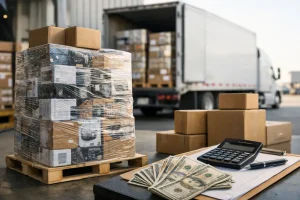
- Do the margin math. Factor in your buy cost per unit, shipping, storage, the share of items that will be damaged or unsellable, and the hours spent sorting. A pallet is only a good deal if the sellable goods clear all of those costs.
- Pick your sales channels. You can sell from a storefront, online, or both. Resellers commonly move goods through several outlets at once, and our list of places resellers sell liquidation goods for top dollar shows where the margins tend to be strongest.
You do not need a huge budget to test the model. Buying a single pallet or a small case lot lets you learn how a load performs before you commit to truckloads. Suppliers like Wholesale-palletliquidators exist to help newcomers source those first manifested loads without buying blind.
Red Flags to Avoid When Shopping Liquidation Stores
Liquidation shopping rewards a careful eye. Keep these warning signs in mind before you hand over your money.
- All sales are final. Most liquidation and bin stores do not accept returns. Test electronics on the spot when the store allows it, and open boxes to confirm nothing is missing.
- Missing parts or hidden damage. Because much of the stock is customer returns, an item may be incomplete, cracked, or non-functional. Inspect before you buy, not after.
- Fake liquidation labeling. Some shops mark up ordinary dollar-store or discount merchandise as "liquidation" pricing. If you know real brand values, you can tell the difference.
- Return fraud in the supply chain. The NRF reported that 9% of returns in 2025 were fraudulent, which is part of why some returned goods that reach liquidation are damaged, used, or not what the packaging claims. Verify that a sealed box actually contains the right product.
- The time cost. Digging through bins for hours can wipe out your savings if you are reselling. Calculate what your time is worth before committing a full afternoon.
For a deeper look at turning these finds into income, our guide to liquidation pallets and reselling for profit walks through the numbers.
Where to Start
Pick one liquidation store near you and visit on both a restock day and a clearance day so you can see the pricing cycle firsthand before you spend real money. That single comparison teaches you more about how these bargain shops work than any list of rules, and it tells you whether the format fits how you like to shop or the kind of inventory you want to resell.
Frequently asked questions
Where do liquidation stores get their inventory?
They buy customer returns, overstock, shelf pulls, and closeouts in bulk from major retailers and liquidation marketplaces, usually paying only a small share of the original retail price.
Are liquidation store items new or used?
Merchandise is a mix. Some items are brand new overstock, while others are opened customer returns that may be missing parts or have cosmetic damage. Inspect each item before buying.
What is a bin store and how does its pricing work?
A bin store dumps liquidation goods into large bins and charges one flat price per item that drops each day of the week, starting high on restock day and ending at a dollar or less.
Can I open my own liquidation store?
Yes. You source pallets or truckloads from liquidation marketplaces like B-Stock or Liquidation.com, usually with a resale certificate, then resell the goods online or from a physical location.