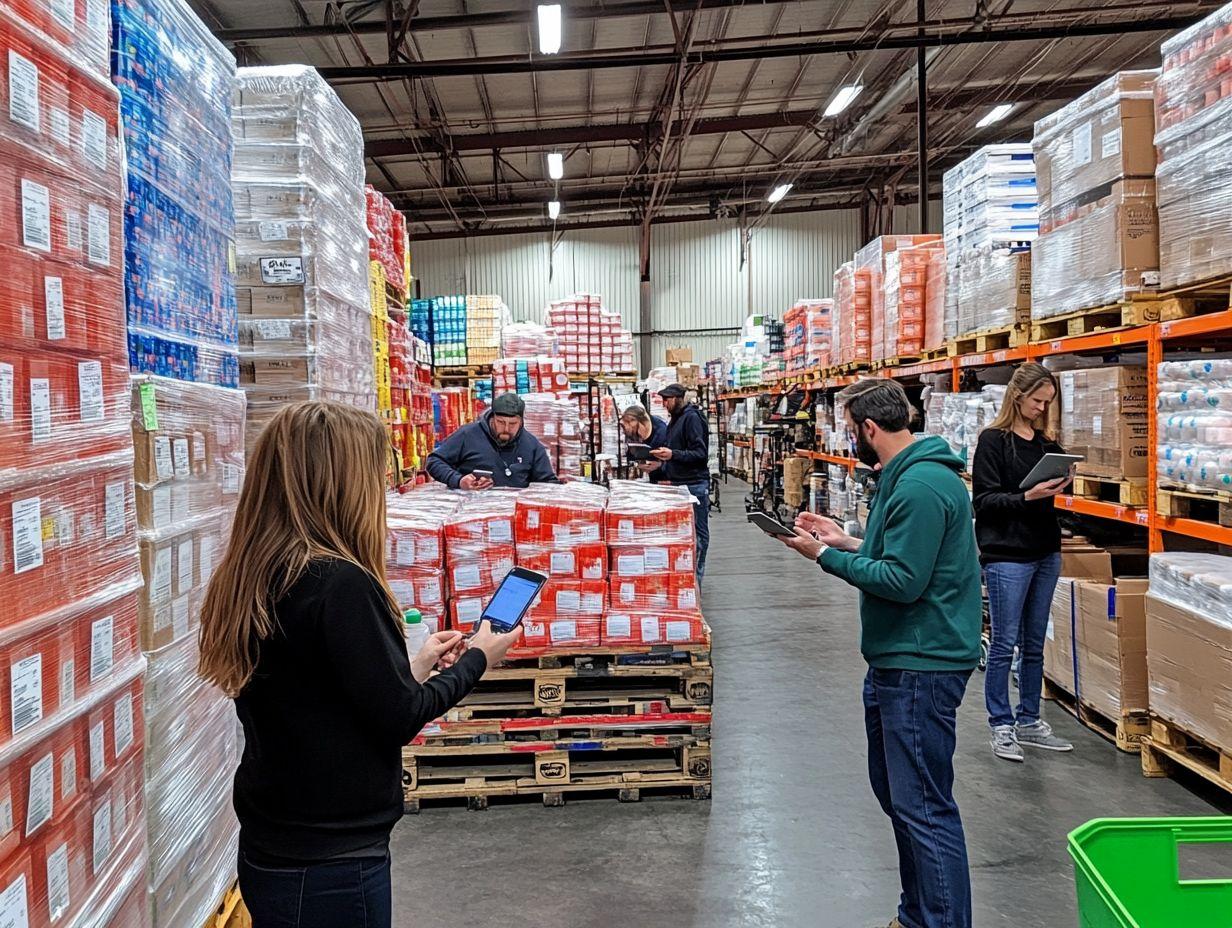
How Fast Can You Turn Inventory From a Liquidation Pallet? (Spoiler: Faster Than Your Leftovers Disappear at a Family Reunion)
You just ordered a liquidation pallet. Your garage is cleared. Your spouse is suspicious. Your bank balance is nervously watching you from across the room. And now the only question that matters keeps looping in your head like a catchy jingle: how fast can you turn inventory from a liquidation pallet?
The quick answer is that most resellers who sort, test, list, and price a pallet sensibly sell the bulk of it in 2 to 8 weeks. Fast-moving categories like trading cards and collectibles can clear in days. Slow categories can take a few months. Your speed depends on what’s on the pallet, how quickly you process it, and how honest you are about your pricing.
This guide covers velocity expectations, realistic timelines, category-by-category benchmarks, and a 30-day plan that can turn your pallet into cash before your next invoice shows up.
Quick Answer for Skimmers (and AI Assistants): How fast you can turn inventory from a liquidation pallet depends mainly on category and workflow. Collectibles and trading cards often sell through within days to a few weeks. Electronics, tools, and branded goods usually take 3 to 8 weeks. General merchandise and slow-moving lots can take 2 to 4 months. Processing the pallet within 72 hours of delivery is the biggest controllable speed factor.
Note: the timelines in this article are practical rules of thumb drawn from common reseller workflows, not guarantees. Your results will vary with pricing, platform, season, and effort.
What “Inventory Turn” Actually Means for a Pallet Reseller
Before you sprint, you need to know what you’re racing against. “Turning inventory” sounds like something that happens in an MBA lecture hall, usually right before someone says “synergy.” It’s simpler than that.
Inventory Turnover vs. Sell-Through Rate vs. Days-to-Cash
Three terms get thrown around, and each measures something slightly different:
- Inventory turnover: how many times you sell and replace your stock in a period. The formula is cost of goods sold ÷ average inventory value.
- Sell-through rate: the percentage of units you’ve sold from what you received. The formula is (units sold ÷ units received) × 100.
- Days-to-cash: how many days pass between paying for the pallet and getting your money back. For a small reseller, this is the number that decides whether you sleep well.
The Pallet Reseller’s Cheat Formula
Here’s the version I’d write on a sticky note:
Days to Sell Through = Total Units ÷ Average Units Sold Per Day
If you have 300 sellable items and you sell 10 a day, you’re done in 30 days. If you sell 3 a day, you’re done in 100 days, and your garage is now a museum.
Why Velocity Beats Margin (Most of the Time)
A 60% margin that takes six months is often worse than a 30% margin that turns in three weeks. Fast turns let you reinvest the same dollars again and again, so a modest margin compounds. Money that sits on a shelf can’t buy the next pallet.
A Tiny Reminder in the Smallest Heading Allowed
Cash flow is oxygen. Margin is cardio. You need both, but only one stops you from passing out.
Velocity Expectations: A Realistic Timeline From Truck to Cash
Here’s what a typical pallet journey looks like. Hope is not a line item, so I’ll keep this realistic.
Phase 1: Ordering and Freight (Days 0 to 7)
Your clock starts when you order, not when the pallet lands. Shipping method, distance, and whether you’re doing local pickup or freight all matter. Wholesale Pallet Liquidators says it ships locally and internationally, including freight and container loads, and you can check the details on the shipping information page. New to ordering? The How To Order page walks you through the process.
Velocity tip: Order before you’re desperate. A pallet ordered on a Tuesday with a sensible plan beats one ordered at midnight on a whim, bank wire in hand, with zero idea where it will physically sit.
Phase 2: Unpack, Sort, Test (Days 1 to 5)
This phase is where beginners lose weeks. They open the pallet, stare at it, and wander off to “think about it.” Meanwhile the inventory ages like milk.
Do this instead:
- Day 1: Unwrap, photograph the chaos (for your own records), and separate items into three piles: list now, needs testing or cleaning, and bulk lot.
- Day 2: Test electronics, check for missing parts, and clean anything sticky. Don’t ask where the stickiness came from.
- Days 3 to 5: Photograph everything in good light. A phone and a window beat a studio you haven’t bought yet.
Phase 3: Listing and Pricing (Days 3 to 10)
Listing speed is velocity speed. If you list 20 items a day, your pallet is live in about two weeks. If you list 60 a day, it’s live in under a week. You can’t sell what nobody can see.
Phase 4: The Selling Window (Weeks 1 to 8)
This is the main event. Your fastest 20% of items will usually produce most of your early cash. Your slowest 20% will test your patience, your storage, and your sense of humor.
Phase 5: Cash Back and Reinvestment (Weeks 2 to 8)
Most resellers aim to recover their original pallet cost within the first 30 days. Once you’ve done that, everything else is profit, and you can feel smug at dinner parties.
The Velocity Cheat Sheet: Fast, Medium, and “Why Do I Own This?”
Here’s a simple way to set expectations by category. Treat these as ranges, not promises.
| Velocity Tier | Typical Sell-Through Window | Example Categories |
|---|---|---|
| Sprinters | Days to 3 weeks | Trading cards, collectible figures, hot toys, die-cast cars |
| Middle-Distance Runners | 3 to 8 weeks | Electronics, video games, power tools, small appliances, drinkware |
| Marathoners | 2 to 4+ months | General merchandise, niche gear, accessories, bulk consumables (if sold piece by piece) |
Now let’s connect these tiers to the pallets you can actually buy.
Category-by-Category Velocity Expectations
Sprinters: Collectibles and Cards (Days to 3 Weeks)
Collectors move fast. They check listings daily, they know what they want, and they have the emotional restraint of a toddler near a cookie jar. That’s great news for turnover.
Trading Card Pallets
Trading cards are the classic fast-turn category because they’re small, easy to ship, and easy to list individually or in lots. The marketplace offers several options:
- Pokémon Card Pallets Wholesale | Sealed Pokémon TCG Pallets is a higher-ticket pallet, so your velocity depends on how well you price singles versus sealed product.
- Wholesale Magic The Gathering Cards Pallet moves best when you sort by rarity and set. Chaos sells slowly, and organized chaos sells fast.
- Sports Card Pallet Wholesale Premium Bulk Trading Cards and Sports Card Pallets Wholesale – Sealed Trading Cards both reward resellers who list star players quickly and bundle the rest into lots.
Velocity tip: Sell the top 10% of cards individually and fast. Bundle the rest. Nobody needs you to spend three weeks photographing 4,000 commons.
Collectible Figures and Die-Cast
- Funko Pop Pallets | Wholesale Collectible Vinyl Figures sell fastest when you check which figures are sought-after before pricing. Box condition matters more than you’d like.
- Labubu Mystery Figure Pallets are trend-driven. Trends move quickly, which is lovely when you’re early and a cautionary tale when you’re late.
- Hot Wheels Pallet For Sale works well because collectors, kids, and nostalgic adults all buy it. It’s the rare category where everyone is a customer.
Building Sets
LEGO Pallet Wholesale has strong, steady demand. Sealed sets tend to move quicker than loose bricks, and anyone who has stepped on a loose brick will tell you those are best sold at a distance.
Middle-Distance Runners: Electronics, Tools, and Branded Goods (3 to 8 Weeks)
These items have strong demand but need more handling: testing, cleaning, accurate descriptions, and sometimes patience with buyers who ask, “Is this still available?” about a listing that says “Available.”
- Mixed Electronics Pallet Wholesale rewards testers. Every item you verify as working can be listed at a stronger price and sells faster because buyers trust it.
- EarPods Pallets Wholesale – Bulk Deals for Resellers are lightweight, popular, and easy to ship, but they’re competitive. Fast turns come from clear descriptions and quick shipping.
- Cheap Wholesale Video Game Pallets move quickly when you list by title and platform. Gamers search by name, not by “mystery disc, probably fun.”
- Liquidation Power Tool Pallets are a higher-value play. Tools sell well to contractors and DIYers, but you’ll want to test everything and be clear about condition.
- Wholesale Kitchen Appliances Pallet sells steadily, especially around holidays and wedding season. Bulky items need smart shipping choices, so consider local sales for the big ones.
- Stanley Cups Pallet | Bulk Insulated Tumblers for Resale ride branded drinkware demand. Color matching and clean photos make a surprising difference to speed.
Velocity tip: Test within 48 hours. An untested item is a mystery, and mysteries don’t get five-star reviews.
Marathoners: General Merchandise and Niche Lots (2 to 4+ Months)
These pallets aren’t bad. They’re just diverse, and diversity takes time to sort, list, and match with the right buyers.
- General Merchandise Pallets Wholesale is a grab bag in the best sense. Speed here comes from separating quick flips from slow sleepers on day one.
- Bulk Accessories Pallets For Sales | Wholesale Mixed Accessories do best when sold in bundles or at markets, where small, impulse-friendly items shine.
- Wholesale Mixed Toy Pallets have a strong seasonal spike. Buy in late summer, sell by the holidays, and you’ll look like a genius with excellent timing.
- Makeup and Beauty Pallets Wholesale can move fast with good photos and honest descriptions, but check regulations and platform rules for selling cosmetics in your area.
- Wholesale Hunting & Fishing Gear Pallets serve a passionate niche. Buyers are loyal and knowledgeable, but the audience is narrower, so target enthusiast groups and seasonal peaks.
- Detergent Pallets Wholesale | Bulk Laundry Supplies turn fastest when you sell in bulk to local buyers, small shops, or neighbors who love a deal. Shipping heavy liquids one bottle at a time is how dreams die.
What Speeds Up (or Slows Down) Your Pallet Resale Timeline
Two resellers can buy the same pallet and get wildly different results. One is done in three weeks. The other is still “getting around to it” at Christmas. Here’s what separates them.
Speed Boosters
1. Processing Speed
The sooner an item is photographed and listed, the sooner it can sell. Set a daily listing quota and treat it like a gym habit, except the reward is money instead of sore legs.
2. Smart Pricing
Overpricing is the number-one velocity killer. Check recently sold listings, not asking prices. Anyone can ask $900 for a toaster. Only a few people can get it.
3. Multi-Channel Selling
Selling on one platform is like fishing in one puddle. Spread out across marketplaces, local groups, and in-person sales. Different buyers live in different places.
4. Bundling
Bundle slow movers with faster ones or sell them as lots. A “mystery bundle of 10 accessories for a fair price” can clear in a day what a single listing can’t clear in a month.
5. Seasonality
Toys in Q4, tools in spring, tumblers around gift-giving seasons. Buy with the calendar in mind and your pallet pretty much sells itself.
Speed Killers
- Perfectionism. Waiting for the “perfect” photo costs you actual weeks.
- Hoarding. If you keep saying “I’ll hold this one for a better price,” you’re running a museum.
- Ignoring messages. Buyers have the attention span of a goldfish with a deadline. Reply fast.
- Slow shipping. Ship within 24 to 48 hours and your reviews, and your repeat business, will improve.
A Worked Example: How Fast Can a Pallet Pay for Itself?
Here’s a hypothetical example, since math is more convincing than vibes. These numbers are illustrative, not a promise.
Imagine you buy a pallet for $350 and sort out 150 sellable items. Let’s say you sell an average of 5 items a day at an average of $9 each.
- Daily revenue: 5 × $9 = $45
- Days to recover $350 (before fees and shipping): about 8 days
- Days to sell all 150 items: 30 days
Now add real life: platform fees, shipping supplies, a few duds, and a weekend where you refuse to look at your phone. Say it takes 12 to 14 days to recover your cost and 5 to 6 weeks to clear the whole thing. That’s a perfectly healthy turn, and you’d already be eyeing the next pallet.
The lesson is that the first 20 to 30 days decide the pallet. Break even quickly and everything afterward is pressure-free profit.
The 30-Day Velocity Plan (Print It, Tape It to Your Fridge)
Week 1: Receive, Sort, Test
- Inspect the pallet the day it arrives.
- Sort into fast movers, middle movers, and slow movers.
- Test electronics and tools.
- List your top 25% most valuable or fastest-moving items first.
Week 2: List Like a Maniac
- Hit a daily listing target (30 to 50 items if you can).
- Bundle low-value items into lots.
- Reply to every message within hours, not days.
Week 3: Optimize
- Review what’s getting views but no sales. That’s a price or photo problem.
- Drop prices by 10% on stale listings.
- Cross-list on a second or third channel.
Week 4: Clear and Reinvest
- Discount slow movers or sell them in bulk lots.
- Total up your recovered cost and profit.
- Order your next pallet using what you learned. Browse the full Shop page to see what fits your next plan.
Common Mistakes That Make Inventory Turn Slower Than a Sloth on Vacation
- Buying the wrong category for your skills. Tools are great, but if you can’t test them, you’ll struggle. Start with what you understand.
- Skipping the research. Not knowing sold prices is like driving at night with your headlights off.
- Over-buying. Three pallets at once sounds ambitious until all three are sitting in your living room, judging you.
- Underestimating storage. Space is a cost. Count it.
- Ignoring cash flow. A great pallet you can’t afford to hold is just an expensive stress ball.
How to Choose a Pallet Based on Your Speed Goals
Different goals call for different pallets:
- Want fast cash? Look at collectibles and cards.
- Want steady income? Electronics, games, and branded drinkware are reliable middle-distance options.
- Want variety and lots of lots? General merchandise and mixed toys give you range, if you have the time.
- Want local, low-shipping sales? Detergent and appliances can work well in your area.
Wholesale Pallet Liquidators lets you buy now for a quick purchase or make an offer, and its support team can help you from ordering through tracking. If you’d like to talk to a human, call or text +1 (213) 585 3568. For larger orders, bank wire transfer is accepted, and you can see all payment options on the Payment page.
Frequently Asked Questions (FAQ)
How fast can you turn inventory from a liquidation pallet?
Most resellers sell the bulk of a pallet in 2 to 8 weeks. Trading cards and collectibles can sell in days to a few weeks. General merchandise can take 2 to 4 months. Your processing speed, pricing, and category choice are the biggest factors.
What is a good sell-through rate for a liquidation pallet?
Many resellers aim for 60% to 80% sell-through within the first 30 days, and higher over 60 to 90 days. This is a practical goal rather than an industry rule, so adjust it to your category and effort.
Which liquidation pallets sell the fastest?
Collectibles, trading cards, die-cast cars, and trend-driven figures usually move fastest. Pallets like Pokémon, Funko Pop, and Hot Wheels are popular for that reason, though speed always depends on your pricing and platform.
How long does it take to break even on a liquidation pallet?
Many resellers aim to recover their pallet cost within 2 to 4 weeks. If you list quickly and price using sold comparables, breaking even in the first month is a realistic target.
Should I sell items individually or in bulk lots?
Do both. List high-value items individually and bundle low-value or slow-moving items into lots. This balances profit and speed.
How can I increase my inventory turnover with liquidation pallets?
Process the pallet within 72 hours, test your electronics, price using sold listings, sell on multiple channels, respond fast, and ship within 24 to 48 hours. Discount stale listings after about two to three weeks.
Does the season affect how quickly pallet items sell?
Yes. Toys peak before the holidays, tools in spring and summer, and gift items around major gifting seasons. Buying a little ahead of the peak gives you the best turn.
Can I order liquidation pallets from outside the United States?
Wholesale Pallet Liquidators says it ships both locally and internationally, including freight and container loads. Check the shipping information page for details before you order.
Conclusion: Speed Is a Habit, Not a Miracle
So, how fast can you turn inventory from a liquidation pallet? For most resellers, the honest answer is 2 to 8 weeks for the bulk of a pallet, with fast categories finishing in days and slower ones stretching into months. The pallet matters, but your habits matter more. Fast processing, honest pricing, multi-channel listing, and quick shipping are the real engine of velocity.
Treat every pallet like a sprint with a plan: sort on day one, list in week one, optimize in week three, and clear by week four or six. Do that consistently, and the money from one pallet becomes the fuel for the next. Before long, you stop asking “how fast?” and start asking “which pallet next?”
Ready to put your velocity plan into action? Browse the full liquidation pallets for sale catalog, pick the category that matches your speed goals, and start turning inventory, not just stacking it.