Key takeaways
- Wholesale pallets are bought in bulk to lower your per-unit cost, so profit depends on volume, category, and freight, not a single lucky box.
- Wholesale pallets tend to be sorted, single-category, and more predictable, while liquidation pallets carry customer returns and shelf pulls at a lower price and higher risk.
- Freight is often your second-largest cost after the pallet itself, and LTL shipping plus a liftgate can quietly erase your margin if you skip the quote.
- A reliable supplier gives you clear manifests, honest condition grades, real return policies, and freight quotes before you pay.
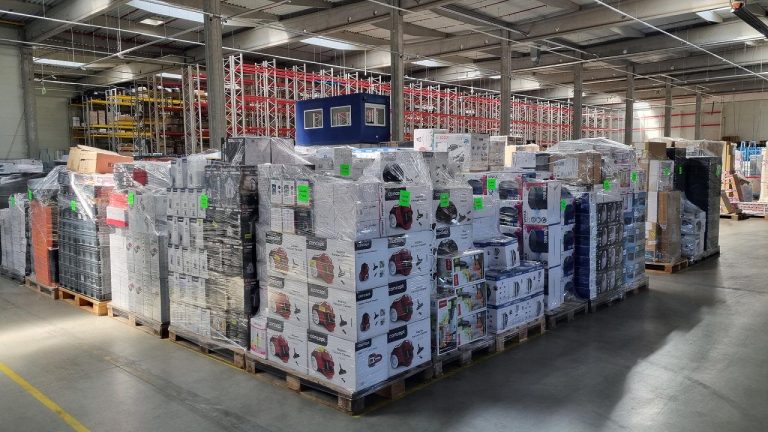
A wholesale pallet is a bulk lot of merchandise sold on a shipping pallet at a steep discount off retail, and resellers buy them to drive down the per-unit cost of inventory. Your profit comes from the gap between what you pay per item and what you can sell it for, which is why understanding pricing, categories, and freight matters more than the excitement of a big shipment.
This guide covers how wholesale pallets differ from liquidation lots, how bulk pricing works in your favor, which product categories tend to perform, what freight really costs, and how to vet a supplier before you send money.
Wholesale Pallets vs. Liquidation Pallets
The two terms get used interchangeably, but they describe different inventory with different risk profiles.
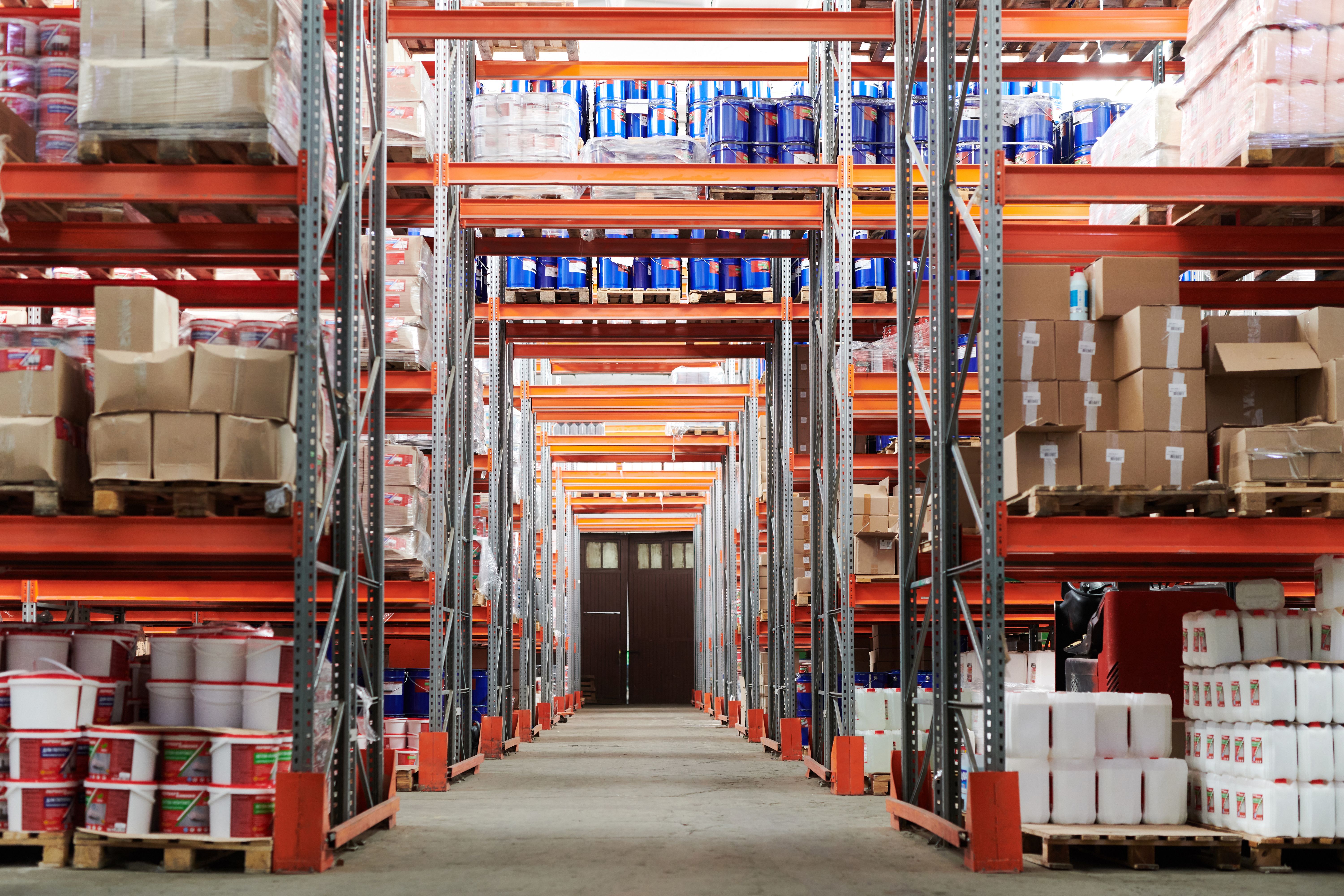
Wholesale pallets are typically sorted, single-category, and either new, overstock, or shelf-pull condition. A wholesale pallet of kitchen tools contains kitchen tools, often with a manifest listing what is inside and how many units. Because the contents are known and mostly sellable, the price per pallet is higher.
Liquidation pallets are the other end of the spectrum. They usually contain customer returns, damaged packaging, or mixed shelf pulls that a retailer wants off the books. The price per unit is lower, sometimes dramatically so, but you accept more untested items and more variability. If you want a deeper look at what actually shows up in return-based lots, our guide on Amazon return pallets walks through the real mix.
Neither type is better in the abstract. Wholesale suits sellers who want predictable inventory and cleaner listings. Liquidation suits sellers who can test, refurbish, or bundle items and who have the time to sort. Many resellers run both once they understand their own workflow. If you are still deciding which model fits, Liquidation Pallets 101 breaks down the buy-and-resell math in more detail.
How Bulk Pricing Lowers Your Per-Unit Cost
The core reason to buy pallets instead of individual items is unit economics. When a retailer or distributor sells a full pallet, they move a large quantity in one transaction, avoid the cost of selling each item, and pass part of that saving to you.
Say a pallet of general merchandise holds 200 units and costs 600 dollars delivered. That works out to 3 dollars per unit before you sell a single item. If those items retail between 15 and 40 dollars, the spread gives you room for platform fees, shipping to the buyer, and profit. The same items bought one at a time from a distributor would rarely land near 3 dollars each.
Two levers control whether that math works:
- Sell-through rate. Not every unit sells, and not every unit sells at full price. Estimate conservatively, then price the pallet against the units you actually expect to move.
- All-in cost. Your true per-unit cost includes freight, supplies, storage, and platform fees, not just the sticker price of the pallet. Build the full number before you commit.
Buying larger or more frequent lots can lower the price further, but only if you can sell what you already have. Idle inventory ties up cash and warehouse space, so scale volume to your actual sell-through rather than to the discount on offer.
Best Product Categories for Wholesale Pallet Buying
Some categories are simply easier to resell at a profit. The strongest ones combine steady demand, manageable shipping, and units that are easy to inspect.
- General merchandise. A broad mix of everyday household items. Demand is constant and the variety spreads your risk across many small bets.
- Home and kitchen goods. Cookware, small appliances, and organization products move well and photograph clearly for online listings.
- Tools and hardware. Durable, in demand, and often holds value even when packaging is imperfect.
- Apparel and footwear. High volume and light to ship, though sizing and seasonality require attention.
- Small electronics and accessories. Strong margins on working units, but test everything and grade condition honestly.
Demand for secondhand and resale goods has been climbing, which supports resale channels for pallet inventory. ThredUp's 13th Resale Report found that the US secondhand apparel market grew 14 percent in 2024, outpacing the broader retail clothing market by roughly five times (ThredUp). That tailwind helps categories like apparel, but the same principle applies broadly: buyers are increasingly comfortable purchasing pre-owned and open-box goods.
The practical rule is to start with a category you already understand. If you know tools, you will spot a strong tool pallet and price it correctly. If you are new to reselling entirely, our walkthrough on starting a reselling business with 500 dollars or less shows how to test one category before you scale.
Freight, LTL Shipping, and Delivery Considerations
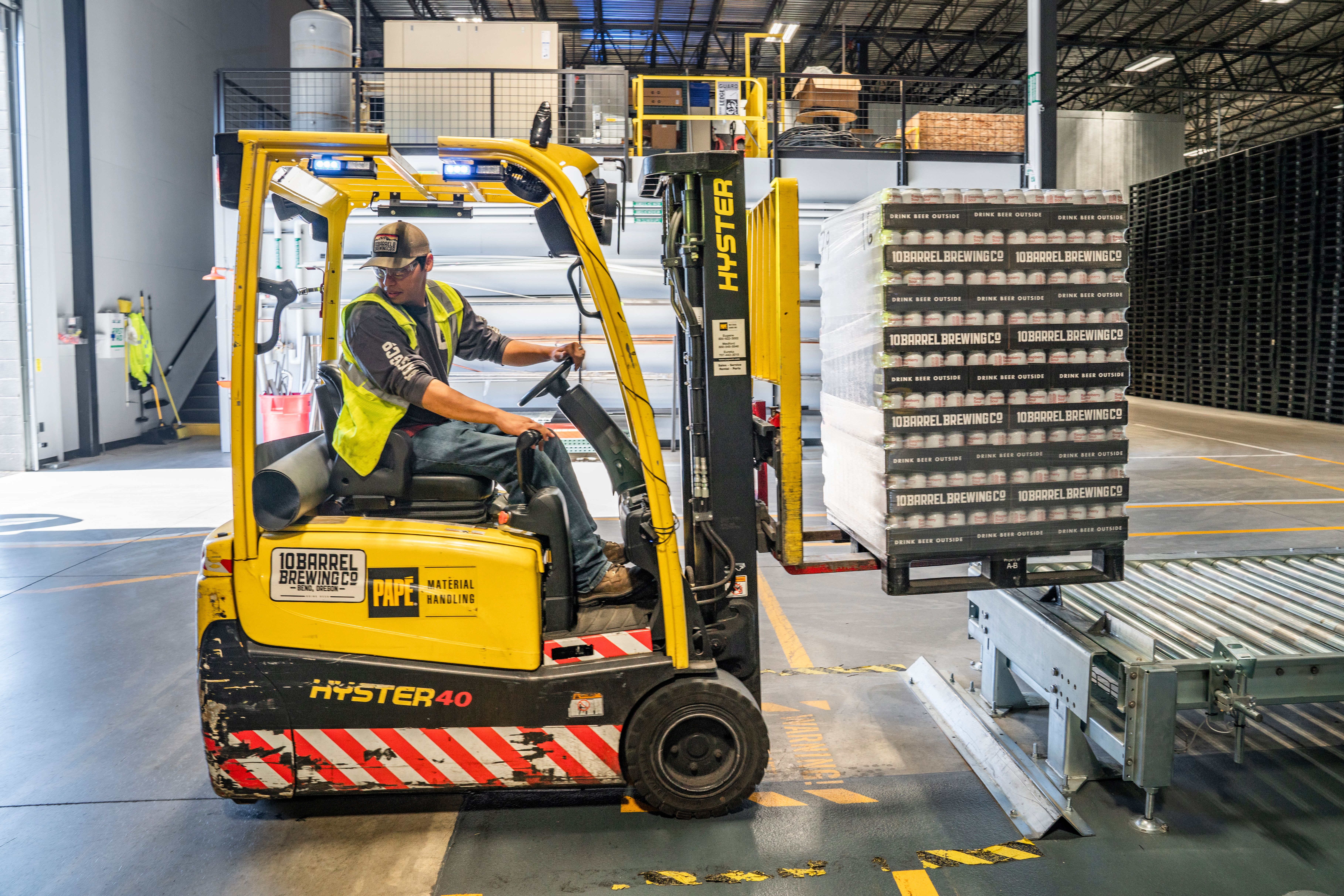
Freight is often the second-largest cost after the pallet itself, and it is where new buyers lose margin. A pallet is heavy and bulky, so it does not ship like a parcel. Most single pallets move by LTL, or less-than-truckload, freight, where your shipment shares a trailer with other loads.
A few factors drive the cost and the headaches:
- Distance and weight. Longer hauls and heavier pallets cost more. Freight class, based on density and handling, also affects the rate.
- Liftgate service. If you do not have a loading dock, you need a liftgate to lower the pallet to the ground, which adds a fee. Skipping it can leave a 500-pound pallet stuck on the truck.
- Residential vs. commercial delivery. Residential deliveries usually cost more and may require appointment scheduling.
- Accessorials. Inside delivery, limited-access locations, and reconsignment all add charges that surprise first-time buyers.
Get a delivered freight quote before you buy, not after. A pallet that looks cheap can become unprofitable once shipping is added, so treat freight as part of the purchase price. When the pallet arrives, inspect it before signing the delivery receipt and note any visible damage on the paperwork, because that note protects your ability to file a claim.
The volume of goods flowing through returns and resale channels is enormous, which is what keeps pallet inventory available in the first place. The National Retail Federation projected that US consumers would return nearly 850 billion dollars, specifically 849.9 billion dollars, in merchandise in 2025 (NRF). A large share of those returns re-enters the market through liquidation and wholesale channels, which is why steady freight lanes exist for pallet buyers.
Choosing a Reliable Wholesale Pallet Supplier
The supplier decides whether wholesale pallets are a business or a gamble. A good one is transparent about what you are buying and what happens if something goes wrong.
Look for these signals before you pay:
- Clear manifests. A manifest lists the items, quantities, and often retail values on a pallet. Manifested pallets cost a bit more but remove most of the guesswork.
- Honest condition grades. New, overstock, shelf pull, and returns each mean something specific. A supplier who defines their grades plainly is one you can plan around.
- Real return and dispute policies. Read the terms before purchase. Understand what counts as a valid claim and how long you have to file.
- Upfront freight quotes. A supplier who quotes delivered freight before checkout respects your margin and saves you a costly surprise.
- Verifiable reputation. Reviews, references, and a traceable business history matter. Prices that look far below everyone else usually signal returns-heavy or picked-over inventory.
Wholesale-palletliquidators focuses on manifested lots with defined condition grades and delivered freight quotes, which is the combination that lets a reseller model profit before buying rather than hoping after the fact. Whatever supplier you choose, apply the same checklist so you can compare offers on the same terms.
One more practical habit: start small with a new supplier. Buy a single pallet, run it through your full process from unboxing to sold, and measure your real per-unit cost and sell-through. That first pallet is cheap tuition. Once the numbers hold up, scale your order size and frequency with a partner you have actually tested.
Ready to move from theory to a real order? Pick one product category you understand, request a manifested pallet with a delivered freight quote, and track every cost from purchase to sale so your second pallet is a decision backed by your own data.
Frequently asked questions
What is a wholesale pallet?
A wholesale pallet is a bulk lot of goods sold on a shipping pallet at a discount off retail. Resellers buy them to get a low per-unit cost and then sell the items individually or in smaller lots.
Are wholesale pallets the same as liquidation pallets?
No. Wholesale pallets are usually sorted, single-category, and new or overstock inventory. Liquidation pallets often contain customer returns and shelf pulls, which are cheaper per unit but carry more risk.
How much does it cost to ship a wholesale pallet?
Most single pallets ship by LTL freight, which commonly runs from about one hundred to several hundred dollars depending on distance, weight, and whether you need a liftgate for delivery. Always get a freight quote before you buy.
What sells best from wholesale pallets?
General merchandise, home goods, tools, apparel, and small electronics tend to move well because demand is steady and units are easy to ship. Start with a category you already understand.