Key takeaways
- eBay and Amazon reach the widest buyer pool, while Facebook Marketplace and flea markets cut fees and let you move bulky or low-value items fast.
- Your own Shopify store keeps the most margin per sale because you avoid marketplace commissions, but you have to bring your own traffic.
- Match the channel to the item: brand-name electronics and collectibles reward searchable platforms, while mixed or bulky lots sell better locally.
- Bundling slow movers with popular items raises your average order value and clears inventory faster than listing everything separately.
- Clear photos, honest condition notes, and a plain returns policy reduce disputes and protect your seller ratings across every platform.
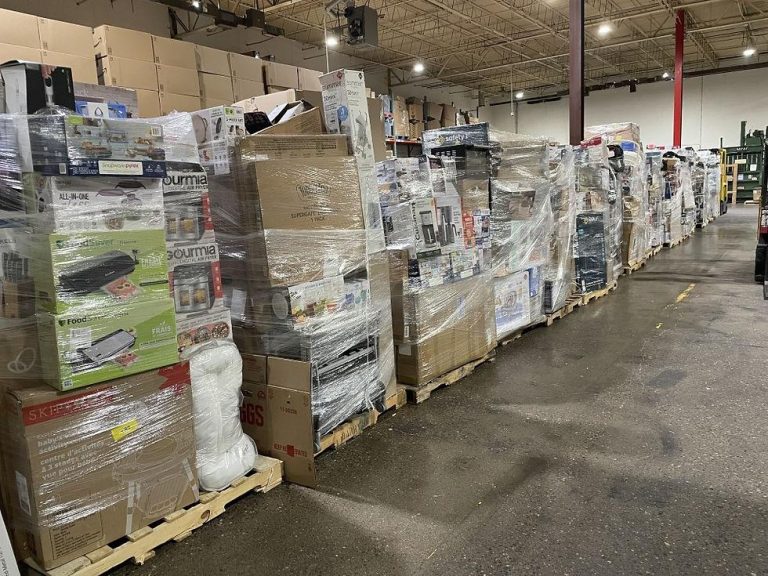
The best channel to sell liquidation items depends on what you bought and how fast you want cash. Searchable brand-name goods earn the most on eBay and Amazon, bulky or mixed lots move faster locally on Facebook Marketplace or at a flea market, and your own store keeps the highest margin once buyers know you exist. This guide walks through seven proven outlets, plus the pricing, bundling, and returns habits that separate a full-time reseller from a hobbyist.
Resale keeps expanding. ThredUp's 14th Annual Resale Report projects the global secondhand market will reach $393 billion by 2030, growing 2X faster than overall apparel retail (ThredUp). That tailwind means the question is less about whether demand exists and more about where to sell liquidation items to capture the most of it.
1. eBay: the default for searchable, brand-name goods
eBay remains the widest net for resellers who want national reach. As of the first quarter of 2026, eBay reported 136 million active buyers, according to Marketplace Pulse. That volume matters when you pull a random assortment from a pallet, because almost anything with a model number or brand name has a buyer somewhere.
eBay shines for electronics, tools, collectibles, and parts. The sold-listings filter is your pricing bible: search the exact item, filter by sold, and you see what people actually paid, not what optimistic sellers are asking. Auction format works well for scarce or in-demand items where you want buyers to set the ceiling. Fixed-price listings suit steady sellers you can restock.
The trade-off is fees and shipping logistics. Build both into your price before you list, and weigh bulky items carefully, since freight can erase the margin on a heavy item that sells for a modest amount.
2. Amazon: reach and trust, with stricter rules
Amazon gives you access to the largest buying audience in ecommerce, and third-party sellers now dominate it. In the fourth quarter of 2025, independent sellers accounted for 61% of paid units sold on Amazon, per marketplace data compiled by AmzMonitor. Buyers trust the platform, which means you can often command a higher price for the same item than you would elsewhere.
Amazon works best when your liquidation lots contain multiples of the same product, because you list against an existing product page and let volume do the work. It suits new or like-new inventory more than one-off used goods. The catch is stricter listing requirements, category approvals, and returns handled on Amazon's terms rather than yours. If your pallets are mixed and unpredictable, Amazon is harder to use as your primary outlet.
3. Facebook Marketplace: local, fast, and low-fee
Facebook Marketplace is the fastest way to move bulky, low-value, or hard-to-ship items without paying steep shipping. With well over a billion people using Marketplace worldwide, the local buyer pool in most areas is deep enough to clear furniture, appliances, exercise equipment, and mixed household goods quickly.
Local pickup removes shipping cost and risk entirely, which protects your margin on heavy items. It also lets buyers inspect goods in person, which reduces disputes over condition. The downsides are no-show buyers, lowball offers, and the time spent coordinating meetups. Screen buyers with a quick message exchange, set firm pickup windows, and meet in safe, public locations when possible.
Marketplace pairs naturally with pallet buying. If you want a primer on sourcing the inventory that feeds these channels, our guide on wholesale pallets for resellers explains how bulk buying works.
4. Flea markets and pop-up shops: cash-and-carry volume
Flea markets and weekend pop-ups earn their place when you have a high volume of small, inexpensive items that would cost more in fees and shipping than they return online. A booth turns a table of miscellaneous goods into same-day cash.
Use flea markets to test pricing in real time, clear the long tail of a pallet, and build local repeat customers. Pop-up shops in high-traffic spots work for seasonal pushes, like tools before spring or toys before the holidays. The limits are foot traffic and weather, and you trade convenience for a booth fee and a full day on your feet. Treat these venues as a clearance channel and a way to move quantity, not as the place to sell your one high-ticket find.
5. Your own Shopify store: the highest-margin option
Building a Shopify store keeps the most money per sale because you skip marketplace commissions on every order. Shopify reported roughly $378 billion in gross merchandise volume in 2025, up about 29% year over year, based on figures compiled by DemandSage from Shopify filings, which shows how much commerce now runs through independent stores.
A store makes sense once you have consistent inventory in a defined niche, so returning customers know what to expect. You control branding, bundling, pricing, and the returns policy without a marketplace dictating terms. The catch is traffic: no platform sends buyers to you automatically, so you have to earn attention through search, social, email, and word of mouth. Many resellers run a hybrid model, selling on eBay or Amazon for reach while funneling repeat buyers to their own store for margin. If you are still early, our walkthrough on starting a reselling business with $500 or less covers the lean version of this path.
6. Specialty and niche marketplaces
Beyond the giants, category-specific platforms often pay more for the right item. Sneakers, streetwear, trading cards, vintage clothing, and handmade or refurbished goods each have dedicated marketplaces where buyers arrive ready to pay a premium. When a pallet turns up a genuinely collectible or niche piece, listing it where enthusiasts congregate usually beats a general marketplace.
The rule of thumb: match the audience to the item. A rare pair of sneakers earns more in front of sneaker buyers than buried among general listings. The trade-off is smaller volume and platform-specific rules, so reserve niche sites for standout items rather than everyday inventory.
7. Bulk resale to other resellers
When you would rather move an entire lot than pick and list it piece by piece, selling in bulk to smaller resellers is a legitimate channel. You take a lower per-item price in exchange for speed and zero listing labor. This works well for items outside your niche, seasonal overflow, or the leftover long tail after you have cherry-picked the best pieces.
Local reseller groups, buy-sell-trade forums, and Facebook groups are the usual venues. Be transparent about condition and quantity, since your reputation in these circles determines whether people buy from you again. To understand what typically arrives in these lots, our breakdown of what's inside Amazon return pallets sets realistic expectations.
Bundling and pricing strategies per platform
Pricing is where resellers win or lose margin, and the right move changes by venue.
- eBay and Amazon: price against recent sold listings, not active asking prices. Undercut the field slightly on common items to sell faster, and hold firm on scarce ones.
- Facebook Marketplace and flea markets: buyers expect to negotiate, so list a little above your floor and leave room to come down without losing money.
- Your own store: you set the anchor price, so use bundles and free-shipping thresholds to nudge order value up.
Bundling is the highest-leverage tactic across every channel. Pair a slow-moving item with a popular one and price the pair to move both. A phone case buyers ignore alone sells quickly beside a charging cable. Bundling also lowers your per-item shipping and listing effort, and it raises your average order value, which is what actually grows a reselling business. For the fundamentals of buying and pricing lots profitably, our liquidation pallets 101 guide is a useful companion.
Managing returns and customer expectations
Returns are a cost of doing business, so plan for them. Across retail, the average return rate for online orders runs high, and sizing and condition mismatches drive a large share of them, according to industry data summarized by Capital One Shopping. You reduce returns and disputes with three habits:
- Photograph honestly. Show real photos of the actual item, including any flaws. Buyers who know what they are getting rarely open a case.
- Describe condition plainly. State whether an item is new, open-box, used, or for parts. Vague listings invite disputes.
- Set a clear policy. Whether you accept returns or sell as-is, say so up front. On marketplaces you often follow platform rules, but on your own store you control the terms.
Fast, courteous responses to problems protect your ratings, and ratings drive future sales more than any single listing. Treat a smooth return as marketing, because a buyer you handle well becomes a repeat customer.
Choosing your mix
Pick two or three channels that fit your inventory and stack them: a searchable marketplace for reach, a local outlet for bulky goods, and eventually your own store for margin. Start by pulling your last pallet's best items onto eBay or Amazon this week, list the bulky pieces on Facebook Marketplace, and track which channel returns the most per hour of work. Once the numbers are clear, lean into the winners and let the data, not guesswork, decide where you sell next.
Frequently asked questions
Where is the best place to sell liquidation items?
There is no single best place. eBay and Amazon reach the most buyers for searchable brand-name goods, Facebook Marketplace and flea markets work best for local and bulky items, and a Shopify store keeps the highest margin once you have steady traffic.
Do I need a business license to resell liquidation goods?
Requirements vary by state and city, but most resellers need a sales tax permit or resale certificate to buy pallets tax-free and collect sales tax. Check your local rules before you start.
How do I price liquidation items for resale?
Research recent sold listings for the same item, price competitively against active listings, and factor in platform fees and shipping. Bundle slow-moving pieces with popular ones to raise your average sale.
Which platform charges the lowest fees for resellers?
Facebook Marketplace and flea markets have the lowest fees for local sales. Among online marketplaces, fees vary by category, and your own store avoids marketplace commissions entirely.