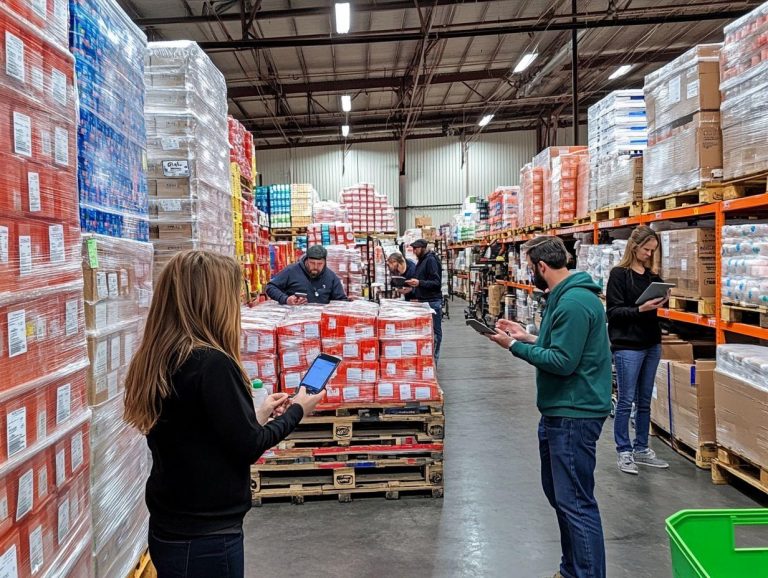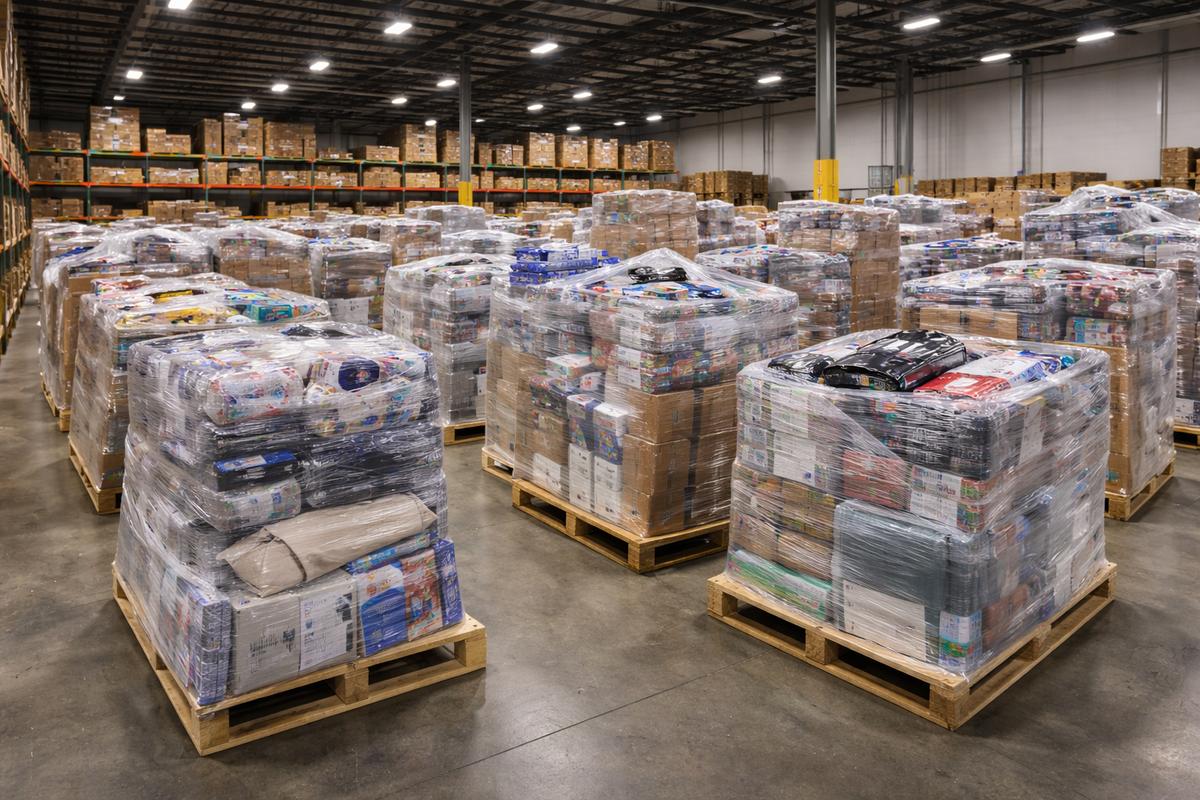
Making Money Fast: Are Liquidation Pallets a Quick Path or Just a Very Heavy Lottery Ticket?
Quick answer: Making Money Fast: Are Liquidation Pallets a Quick Path? They can be a faster path than most side hustles, because you buy inventory in bulk, list it within days and sell items individually. But “fast” is not “instant” and it is never “guaranteed.” Most first-time resellers see their first sales within one to two weeks of delivery. Full pallet payback usually takes several weeks, depending on category, pricing discipline and how quickly you list.
Introduction: The Pallet That Promised Me a Yacht
Somewhere on the internet, a person in a suspiciously clean garage is holding up a phone, whispering, “Look what was inside this $350 pallet.” The music is dramatic. The cardboard is dramatic. The reseller’s eyebrows are very dramatic.
Meanwhile, you’re on your couch at 11 p.m. wondering: is this real, or is this the pyramid scheme of cardboard?
Fair question. So let’s ask it properly: Making Money Fast: Are Liquidation Pallets a Quick Path?
The short, humble, slightly sweaty answer is that liquidation pallets are a legitimate business model with a real speed advantage, and also a business with freight, sorting, photographing, listing, shipping and the occasional box of mystery cables that belongs in a museum of regret. Think of it as a shortcut with homework.
In this guide we’ll cover:
- How fast liquidation pallets can realistically turn into cash
- The math behind liquidation pallet profit margins
- Whether this hustle is viable for your schedule, space and sanity
- Which pallet categories tend to move quickly
- A 30-day game plan to test the model without betting the rent
Grab a coffee. Not the cheap kind. You’re a future business owner.
What Are Liquidation Pallets, Anyway?
The Plain-English Definition
Liquidation pallets are bundles of retail merchandise sold in bulk, typically overstock, shelf pulls, customer returns, closeouts or surplus goods that retailers want to move quickly. Instead of buying one item at a time, you buy a whole pallet, usually shrink-wrapped, often mixed, and almost always more interesting than your to-do list.
The appeal is simple. Retailers need space, so they sell inventory at a steep discount to move it. You, the buyer, step in as the middle person with a listing account and a lot of tape.
Why Resellers Love Buying in Bulk
Lower cost per unit
When you buy wholesale liquidation pallets, your cost per item can be a fraction of the retail price. That gap is where your potential profit lives.
Variety without a warehouse of commitments
A single pallet can contain dozens or hundreds of individual items, which means dozens or hundreds of chances to sell. Compare that to buying one gadget and praying.
The part nobody films
Pallets don’t arrive pre-sorted, pre-photographed and pre-priced. They arrive pallet-shaped. That’s your job now.
A small dose of honesty
Condition varies. Some items will be perfect, some will be “character-building,” and some will teach you what the word salvage means. Plan for it.
Speed to Profit: How Fast Can Liquidation Pallets Actually Pay Off?
This is the section you scrolled for. Let’s talk speed, because “fast” depends entirely on what you do after the truck leaves.
The Realistic Timeline (No Rocket Emojis)
| Phase | Typical Timeframe | What’s Happening |
|---|---|---|
| Order & payment | Day 0–2 | Choose pallet, confirm details, pay |
| Shipping & delivery | Varies by location and freight | Your pallet travels; you refresh the tracking page 47 times |
| Unboxing & sorting | 1–3 days | Test, categorize, separate winners from “interesting” |
| Listing | 3–10 days | Photos, titles, pricing, upload |
| First sales | Often within the first 1–2 weeks of listing | Quick-moving items sell; others wait |
| Pallet payback | Often several weeks | Depends on category, price and sell-through |
| Profit | After cost recovery | The fun part |
These are general planning ranges, not promises. Your results will depend on the pallet, your pricing and how fast you work.
Why the “Fast” Part Is Real
Compared with starting a product business from scratch, such as designing, manufacturing, branding and waiting months, buying liquidation inventory skips several painful steps. The products already exist. The brand names already have demand. You aren’t building a company from fabric samples; you’re opening boxes.
That’s the legitimate speed advantage: a shorter distance between spending money and having sellable inventory.
Why the “Fast” Part Can Also Be a Mirage
Speed dies in three places:
- Slow listing. Pallets don’t sell from your garage floor. Unlisted inventory earns exactly $0.
- Overpricing. Your pride is not a pricing strategy.
- Cash flow trap. If you reinvest too early and your first pallet isn’t sold through, you’re just stacking cardboard.
The 72-hour rule
Resellers who move fastest tend to set an internal deadline: sort within 48 hours, list the best items within 72. Momentum beats perfection.
The Money Math: Liquidation Pallet Profit Margins Explained
Let’s do arithmetic. Don’t panic; there’s only one calculator, and it’s already tired.
A Simple (Hypothetical) Profit Example
The numbers below are illustrative only. They are not a guarantee or a prediction.
- Pallet price: $350
- Estimated freight and supplies: $150
- Total landed cost: $500
- Sellable items: 100
- Average sale price: $12
- Gross revenue: $1,200
- Marketplace and payment fees (about 15%): $180
- Shipping supplies and misc.: $70
- Net profit before your time: ~$450
That’s a hypothetical ~90% return on invested cost, before counting your labor. Add 20 hours of work and your hourly rate starts to look less like a yacht and more like a respectable canoe. That’s still a canoe that floats.
Hidden Costs That Quietly Eat Margins
Freight and delivery
Shipping a pallet isn’t the same as shipping a sweater. Check the shipping information before ordering so there are no surprises.
Marketplace fees
Selling platforms charge fees. Treat them like rent on your digital stall.
Returns, damages and dead stock
Some items won’t sell, some will come back, some will break. Build a buffer of around 10–25% into your math.
Your time
If you value your time at zero, every pallet looks brilliant. If you value it fairly, you’ll price smarter.
What “Good” Margins Look Like
There’s no universal number, because categories, condition and effort vary wildly. A healthy approach is to ask three questions before every purchase:
- What’s my total landed cost?
- What’s a conservative resale estimate, not the hopeful one?
- How long can my cash be tied up?
If a pallet only works in a best-case fantasy, it’s not a business; it’s a bedtime story.
Hustle Viability: Is This Side Hustle Right for You?
Not every hustle fits every human. Here’s an honest self-check.
You’ll Probably Enjoy This If You…
- Like treasure hunts and don’t mind boxes
- Can dedicate 5–15 hours a week to sorting, listing and shipping
- Have a corner of a garage, spare room or storage space
- Are comfortable with a spreadsheet (even a messy one)
- Can handle “some items won’t sell” without writing poetry about it
You’ll Probably Hate This If You…
- Expect passive income while napping
- Hate packing tape (a moral failing, according to resellers)
- Have no storage space and a very patient roommate
- Need guaranteed profits by Friday
The Hustle Viability Scorecard
| Factor | Easy Mode | Hard Mode |
|---|---|---|
| Space | Garage or spare room | Studio apartment with one closet |
| Time | 10+ hrs/week | 2 hrs on Sundays |
| Capital | Can absorb a slow month | Rent depends on this pallet |
| Sales skill | Comfortable listing and messaging | “What’s a listing?” |
| Patience | High | “Why isn’t it sold yet?” |
If you’re mostly in Easy Mode, the liquidation pallets for resale model can be a legitimate fast-start hustle. If you’re mostly in Hard Mode, start smaller and test before scaling.
Which Liquidation Pallets Tend to Move Fastest?
Pallets aren’t equal. Some categories have broad demand, easy-to-search item names and buyers who already know what they want. Here’s a tour of what’s available at Wholesale Pallet Liquidators, with prices as listed at the time of writing. Always check the product page for current details.
H3: Fast-Moving Collectibles and Trending Items
Collectibles can sell quickly because buyers search by name, and enthusiasts are famously… enthusiastic.
- Labubu Mystery Figure Pallets ($300): trend-driven and conversation-starting. Trends move fast, so listing quickly matters more than usual.
- Funko Pop Pallets ($350): collectible vinyl figures with an established fan base and plenty of search traffic.
- Hot Wheels Pallet ($350): small, shippable and loved by collectors who open their wallets before their garages.
- LEGO Pallet ($450): a perennial favourite, and because LEGO brings out strong opinions at all ages, buyers are rarely hard to find.
- Stanley Cups Pallet ($350): insulated tumblers with a devoted following. Yes, adults do queue for cups. Welcome to the economy.
Card pallets: higher ceiling, higher homework
Trading cards can carry big upside, and they reward people who study what they’re selling.
- Pokémon Card Pallets ($2,400): the premium option. A bigger investment means a bigger need for research and a longer runway, so it’s not a first-pallet purchase for the faint of wallet.
- Magic The Gathering Cards Pallet ($950): a deep, knowledgeable community that pays attention to card details.
- Sports Card Pallet Wholesale ($300) and Sports Card Pallets Wholesale – Sealed Trading Cards ($300): accessible entry points into the trading card market.
Pro tip: card pallets reward knowledge. If you can’t tell a rookie from a rookie mistake, spend an evening reading before you buy.
H3: Everyday Demand Categories
These are the “people always need this” pallets. They may not trigger collector frenzy, but they have wide buyer pools.
- Mixed Electronics Pallet ($400): variety and demand, but test everything before listing.
- EarPods Pallets ($350): small, lightweight and easy to ship. Check authenticity and condition and describe honestly.
- Cheap Wholesale Video Game Pallets ($500): gamers know what they want, and they search by title.
- Wholesale Kitchen Appliances Pallet ($550): practical products, but bulkier to store and ship.
- Liquidation Power Tool Pallets ($750): higher ticket items with strong demand from DIYers and contractors. They’re heavy, so factor in shipping.
- Detergent Pallets Wholesale ($400): consumable products that people repurchase. Not glamorous, but nobody has ever said, “I’m done with laundry.”
H3: Variety, Accessories and Niche Plays
- General Merchandise Pallets Wholesale ($350): the classic mixed bag, good for flea markets, booths and online variety stores.
- Bulk Accessories Pallets ($350): low-price items that suit bundles, bins and impulse purchases.
- Wholesale Mixed Toy Pallets ($350): seasonal peaks can help, as long as you plan ahead.
- Makeup and Beauty Pallets Wholesale ($350): popular, but check expiry dates and local regulations on reselling cosmetics before you list.
- Wholesale Hunting & Fishing Gear Pallets ($400): a dedicated niche with loyal buyers, and seasonality that rewards planning.
Want the full catalogue in one view? Browse the liquidation pallets for sale shop page.
Mystery Pallets vs. Specific Pallets: Which Is Faster?
Specific category pallets
You know the type of product, so research, pricing and listing templates come faster. For beginners chasing speed, this is often the smarter route.
Mixed or general pallets
Mixed pallets offer variety and surprise, but also sorting overhead. You’ll spend more time identifying items and deciding where to sell them.
The takeaway
If your priority is speed, buy a category you already understand. If your priority is entertainment, buy a mystery pallet. If your priority is both, buy a category you understand and tell everyone it’s mystery.
The 30-Day Quick-Start Plan
Here’s a practical roadmap for testing whether liquidation pallets suit you, without turning your savings account into a cautionary tale.
Week 0: Preparation
- Pick one category you can research.
- Set a budget ceiling you can afford to lose without crying into a pizza box.
- Create accounts on the platforms where you’ll sell.
- Clear a workspace and buy basics: shelves, bins, labels, boxes, tape.
Review the how to order page so you understand the process before you pay, and check the payment options so there are no last-minute scrambles.
Week 1: Receive and Sort
- Inspect the pallet when it arrives and photograph it for your records.
- Sort into three piles: Sell Now, Test or Repair, Bundle or Bin.
- Create a simple spreadsheet: item, condition, cost estimate, target price, platform, status.
Week 2: List Like a Maniac
- Start with your highest-value items.
- Use clear photos in decent light. (Your phone is fine; your dim cave is not.)
- Write search-friendly titles with brand, model, size and condition.
- Be honest about flaws. Honest listings reduce returns and bad reviews.
Week 3: Price, Adjust, Repeat
- Check what comparable items actually sold for, not just what sellers are asking.
- Lower prices gradually on stale listings.
- Bundle slow movers.
Week 4: Review the Numbers
- Total your revenue, fees, shipping costs and time spent.
- Calculate sell-through rate (percentage of items sold).
- Decide: repeat, scale, adjust categories or stop.
That last option, stop, is allowed. A business that tests fast and quits early beats a hobby that bleeds slowly.
Where to Sell Your Liquidation Inventory
Online marketplaces
Broad marketplaces reach the largest audience, which suits general merchandise, electronics and toys. They also charge fees and bring competition.
Social and local selling
Local marketplace groups and community listings can save on shipping for bulky items such as appliances and tools. Local buyers also love saying “Is this still available?” without ever replying again. Prepare spiritually.
Your own store, booth or events
Flea markets, pop-ups and booths suit mixed lots, accessories and impulse buys. They’re more labour-intensive but can move volume quickly.
Collector communities
For cards, figures and collectibles, specialist communities often pay better because buyers know exactly what they’re looking at.
Common Mistakes That Slow Down Profit
H3: Buying Too Big, Too Soon
Starting with your most expensive pallet is the financial equivalent of learning to swim in a hurricane. Test with a modest pallet first.
H3: Skipping the Research
“It looked cool” isn’t a sourcing strategy. Know your comparable sales before you buy.
H3: Hoarding Instead of Selling
Boxes aren’t assets until they’re listed. Keep inventory moving.
H3: Ignoring Cash Flow
Reinvest profit, not hope. Don’t buy the next pallet until you understand how the last one performed.
H3: Pricing on Ego
Your item is not worth more because you carried it up the stairs.
The Risks Nobody Puts in a Thumbnail
Honest hustle talk includes the uncomfortable parts:
- Variable condition. Liquidation merchandise can include returns, open-box items and cosmetic damage.
- Market shifts. Trends cool. A hot collectible this month can be a shelf ornament next season.
- Regulatory and brand rules. Some categories (cosmetics, certain electronics, restricted products) have rules about reselling. Check local requirements and platform policies.
- Time demand. The work is real. “Fast” doesn’t mean “effortless.”
- No guarantees. No honest seller can promise profit on any pallet, including this one.
Read the refund and return policy and terms and conditions before buying so you know exactly what you’re agreeing to.
Why Source From a Dedicated Wholesale Pallet Marketplace?
If you decide to start, sourcing matters. Wholesale Pallet Liquidators positions itself as a marketplace serving retailers, online sellers and individuals, and the site highlights a few things that resellers care about:
- A wide mix of categories, from electronics and toys to tools, collectibles and household goods
- Buy-now or make-an-offer purchasing, depending on how you like to shop
- Local and international shipping, including freight and container loads
- Multiple payment routes, including bank wire for bulk orders and a Bitcoin payment option
- Direct contact support: you can reach the team via the contact page with order questions
Want to know who’s behind it? The About Us page tells that story, and the site’s blog has more reading for aspiring resellers.
Smart buyer habit: before any purchase from any supplier, read the product description, ask about condition and manifests where available, confirm shipping costs and keep your own written records.
So… Is It a Quick Path or a Quick Trap?
Let’s put the original question on the table one more time: Making Money Fast: Are Liquidation Pallets a Quick Path?
It’s a quick path if:
- You choose categories you understand
- You start with a manageable budget
- You list inventory within days, not months
- You price with real market data
- You treat it like a business, not a scratch-off ticket
It’s a quick trap if:
- You expect overnight riches
- You skip research
- You buy more than you can sell
- You ignore costs, returns and your own time
The honest truth: liquidation pallets compress the inventory part of a business, but you still have to supply the business part. The pallet is the starting line, not the finish.
Frequently Asked Questions (FAQ)
1. Making Money Fast: Are Liquidation Pallets a Quick Path for beginners?
They can be a relatively quick path, because you get inventory quickly and can start selling within days of delivery. Beginners should start with a modest pallet in a category they understand, track every cost and treat the first pallet as a paid education.
2. How fast can I make money reselling liquidation pallets?
Many resellers aim to list items within a week of delivery and make first sales within the first couple of weeks of listing. Recovering the full pallet cost usually takes longer, often several weeks, depending on category, pricing and sell-through rate. Results vary and aren’t guaranteed.
3. What are typical liquidation pallet profit margins?
They vary widely by category, condition and how much you pay in freight and fees. Instead of chasing a headline number, calculate your own: total landed cost, conservative resale estimate, fees, supplies and time.
4. Which liquidation pallets sell fastest?
Items with consistent search demand and recognizable names, such as collectibles, electronics, video games, toys and everyday consumables, tend to move faster. Check the full list of pallets and compare against your own market research.
5. Do I need a business license to resell liquidation pallets?
Requirements depend on your location and how you sell. Many jurisdictions require some form of seller registration or sales tax handling. Check local regulations or ask an accountant or legal professional, because this article isn’t legal or tax advice.
6. Are mystery pallets worth it?
They can be fun and sometimes rewarding, but they usually require more sorting and research. If speed is your goal, a specific-category pallet is often easier to list quickly.
7. How much money do I need to start?
You can start with a single pallet. Several pallets on the site are priced in the low hundreds, though you should budget for freight, supplies and platform fees as well. Only invest what you can afford to risk.
8. Can I buy liquidation pallets internationally?
The marketplace states that it ships locally and internationally, including freight and container loads. Read the shipping information for details on your destination.
9. What’s the biggest mistake new pallet resellers make?
Buying too much too soon and leaving inventory unlisted. Speed to profit depends on how fast items go from box to listing.
Conclusion: The Pallet Is Just the Beginning
So, Making Money Fast: Are Liquidation Pallets a Quick Path? They’re a quick start, with a real speed advantage over building products from scratch. They offer low per-unit costs, instant variety and a clear path from box to listing to payday.
But “quick” lives and dies by your habits. List fast, price smart, research your category, track your numbers and keep your first purchase small. Do that, and a pallet can become a genuine side hustle, or the first step toward a larger resale business. Skip those steps, and you’ll own a very expensive arrangement of cardboard.
Ready to test the waters? Explore the full pallet catalogue, review the ordering process, and start small, start smart and start listing.
Disclaimer: This article is for informational and entertainment purposes. Prices and availability reflect the website at the time of writing and may change. Results from reselling are not guaranteed. Always verify product details and local regulations before purchasing.