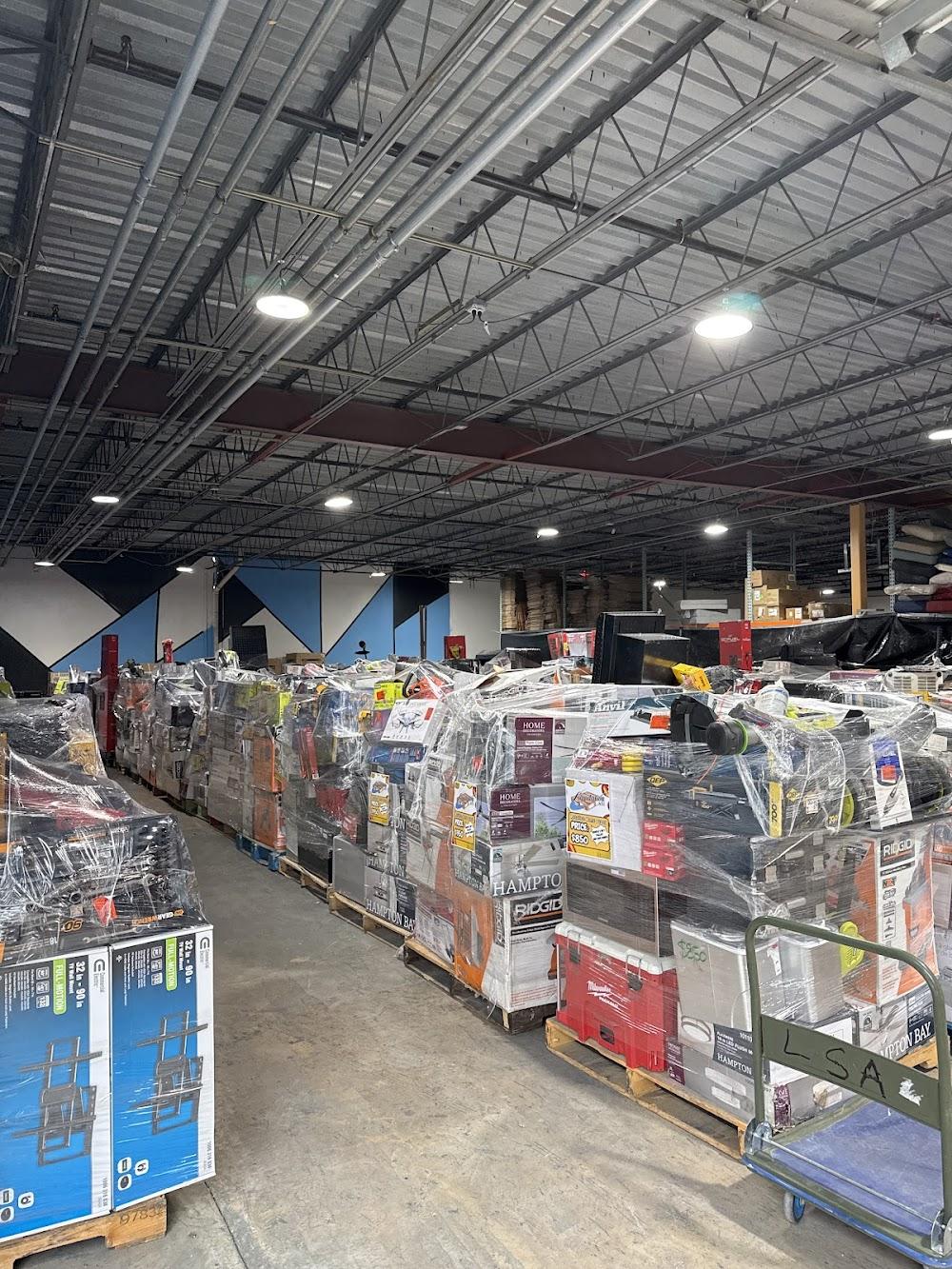
What Makes Some Liquidation Pallets Sell Better Than Others?
Picture two pallets sitting side by side in a warehouse. They’re the same size, the same shrink wrap, the same sad little wooden base. One sells in a weekend. The other sits in a garage for six months, collecting dust and your spouse’s disapproval.
So what makes some liquidation pallets sell better than others? In short, the pallets that sell fastest combine strong buyer demand, honest and readable contents, sensible condition, a fair price per resellable unit, and a seller who knows where to flip the goods. Luck is a small ingredient. The rest is pattern recognition.
This guide covers the success factors, with a little humour so it doesn’t read like a freight invoice.
Quick Answer: The Success Factors at a Glance
If you only have thirty seconds (and a coffee going cold), here is what separates fast-selling liquidation pallets from slow ones:
- Demand: People actively search for and buy the product.
- Category fit: The pallet matches a niche you can actually sell.
- Transparency: You know what is inside, or at least what range of goods to expect.
- Condition: Sealed, tested or lightly returned items beat the mystery box of regret.
- Price per unit: The math works after fees, shipping and your time.
- Item size and shippability: Small, light, durable items flip faster and cheaper.
- Sales channel match: Right goods, right marketplace.
- Presentation: Good photos, honest titles, clear descriptions.
- Supplier trust: A reliable source, consistent stock and responsive support.
- Speed of execution: Sorting, listing and shipping without a six-week “I’ll do it Saturday” delay.
Now let’s unpack each one properly.
What Is a Liquidation Pallet (and Why Do Some Fly While Others Flop)?
The Plain-English Definition
A liquidation pallet is a bundle of overstock, surplus, shelf-pulled or customer-returned merchandise, stacked on a pallet and sold at a steep discount to resellers, retailers or bargain hunters. Retailers and brands need to clear space and recover cash, so they sell goods in bulk instead of one by one.
Why Results Vary So Wildly
Two buyers can order from the same marketplace in the same week and have opposite experiences. One posts a smug “I just doubled my money” screenshot. The other posts a sad photograph of forty phone cases for a phone model nobody has owned since 2016.
The gap is rarely about luck. It usually comes down to how well the buyer matched the pallet to a market. That is the heart of the question, so let’s go factor by factor.
Success Factor #1: Buyer Demand Comes First
Sell What People Already Want
The fastest-selling liquidation pallets contain products with proven, ongoing demand. If shoppers are already searching for it, you are not creating a market. You are simply showing up with the goods.
Collectibles are a good example. Categories such as Pokémon card pallets, Magic The Gathering card pallets and sports card pallets have passionate communities that trade, collect and hunt constantly. Enthusiasts don’t need convincing. They need stock.
Trend Heat vs. Evergreen Demand
There are two kinds of demand:
- Trend demand: hot, fast and sometimes brief (think a viral collectible figure).
- Evergreen demand: steady, boring and reliable (think laundry detergent, which people buy whether or not a celebrity tweets about it).
A smart reseller balances both. Trend items give you quick wins. Evergreen items pay the bills. If your whole strategy is chasing hype, you’re basically surfing, and surfing comes with wipeouts.
Success Factor #2: Product Category and Niche Fit
Specialists Beat Generalists (Usually)
Selling one kind of product builds you a recognisable shop. Buyers who find your Funko Pop pallets inventory tend to come back for more figures, not for a random garden hose.
That said, general merchandise has a place. A general merchandise pallet suits flea-market sellers, discount stores and anyone who enjoys the thrill of “what is this and who is it for?” Variety helps if you have multiple sales channels. It hurts if you only have a lonely online store with no clear theme.
Match the Pallet to Your Customer
Ask yourself one question before buying: “Who exactly will purchase this, and where do they hang out?” If the answer is “everyone,” you probably don’t know. If the answer is “toy collectors on marketplace groups,” you’re in business.
For example:
- A LEGO pallet suits sellers who enjoy sets, bricks and a buyer base that loves building things (and stepping on them).
- A Hot Wheels pallet suits sellers targeting die-cast collectors and gift shoppers.
- A hunting and fishing gear pallet suits outdoor sellers who know a lure from a lunch.
Success Factor #3: Manifest Clarity and Content Transparency
The Manifest Is Your Treasure Map
A manifest is the list of items on a pallet. When it’s clear, you can estimate resale value before you buy. When it’s vague, you are essentially buying a surprise party, and the surprise is sometimes ceramic frogs.
Pallets that sell better tend to come with realistic category descriptions or manifests. You can price faster, list faster and plan your sales channels before the truck arrives.
Mystery Pallets: Exciting, But Handle With Care
Mystery-style pallets can work, especially when the theme is clear. Something like a Labubu mystery figure pallet works because the “mystery” is part of the collectible appeal. Buyers of mystery items expect a bit of gamble, and the theme keeps the gamble inside a lane you can sell in.
A truly random mystery pallet is a different beast. It might be a gold mine, or it might be a drawer of mismatched chargers. Treat it with a sensible budget and no emotional attachment to outcomes.
Success Factor #4: Condition and Product Integrity
The Condition Ladder
Condition affects both price and speed. Roughly, from best to worst:
- Brand-new and sealed
- Open-box, tested and complete
- Customer returns, lightly used
- Shelf-pulls with cosmetic flaws
- Untested or missing parts
- “Sold as is, good luck”
The higher the rung, the faster the sell-through. Buyers pay for confidence. A sealed trading card box is easier to sell than a loose, unsorted heap, because buyers trust sealed stock.
Be Honest About What You Are Selling
Overstating condition is the quickest way to earn refund requests, bad reviews and the kind of messages that start with “Hello, I am very disappointed.” Honest listings sell better in the long run. Describe flaws, photograph them and price accordingly.
Success Factor #5: Price Per Unit and the Real Math
Cheap Pallets Are Not Automatically Good Deals
A $300 pallet sounds fantastic. But the real question is how many sellable units are inside and what they fetch.
Here is a simple formula:
Expected profit = (units × average resale price × sell-through rate) − pallet cost − shipping − fees − your time
Yes, “your time” belongs in there. If you spend forty hours to make $60, you’ve essentially taken a part-time job paying less than a lemonade stand.
A Quick Price Reality Check
Pallet prices vary widely by category. On the Wholesale Pallet Liquidators shop, pallets range from the lower end, such as the sports card pallet and Stanley cups pallet, to higher-ticket options like a liquidation power tool pallet or a Pokémon card pallet. Higher price isn’t better or worse by itself. What matters is whether the pallet’s resale ceiling clears your cost with room to spare.
Success Factor #6: Item Size, Weight and Shippability
Small and Sturdy Wins the Day
Heavy, bulky or fragile items cost more to ship and break more often. Light, compact, durable items travel cheaply and arrive in one piece, which keeps your feedback score happy.
Products like EarPods, trading cards and small bulk accessories are easy to pack and ship. A kitchen appliances pallet can earn strong margins, but you have to account for weight, packaging and possibly local pickup.
Local Pickup Is a Secret Weapon
For large items, local selling sidesteps shipping altogether. Community marketplaces, flea markets and pop-up booths turn heavy items into cash without a courier. Nobody ever lost sleep over not having to ship a toaster oven across a continent.
Success Factor #7: Matching the Pallet to the Right Sales Channel
Different Goods, Different Stages
A pallet is only as good as the place you sell it. Consider these pairings:
- Online marketplaces: great for collectibles, electronics and branded items with search demand.
- Social selling and live sales: perfect for cards, figures and anything buyers like to “chase.”
- Flea markets and booths: ideal for mixed toys, household goods and impulse buys.
- Retail shelves and discount stores: suited to cleaning supplies, beauty items and steady movers.
For instance, makeup and beauty pallets can shine in small shops and online beauty resale, while detergent pallets suit convenience and discount retail where households restock constantly.
Don’t Fight the Platform
Selling bulky tools in a channel built for trading cards is like bringing a trombone to a poetry slam. Technically possible. Not ideal.
Success Factor #8: Presentation, Listings and Photography
Photos Sell, Words Close
Clear, bright photos on a plain background outsell dark, blurry ones. Buyers want to see the product, the box, the corners and any flaws. A decent phone camera and natural light beat a fancy camera in a basement.
Titles That Get Found
Search-friendly titles contain the brand, product type, model and condition. “Wireless earbuds, new, sealed” outperforms “Amazing item must see!!!” Every time. Keywords help buyers find you, and honest descriptions help them trust you.
Bundle Smartly
Bundles lift average order value. Group similar items such as five figures, three toy cars or a set of tools. Bundles also move slower sellers by pairing them with popular ones, like a shy guest sitting next to someone charming at a wedding.
Success Factor #9: Supplier Reliability and Support
Your Source Matters More Than You Think
A great pallet from an unreliable source is a one-hit wonder. A solid supplier gives you repeatable results, which is the foundation of an actual business.
According to its homepage, Wholesale Pallet Liquidators offers direct access to major retail stock, fast shipping on orders, local and international delivery (including freight and container loads), flexible “make an offer or buy now” options and a support team to help from order placement to tracking. Reliability like that matters, because predictable restocking lets you plan, list and grow.
Questions to Ask Any Supplier
- What categories and condition grades do you offer?
- How do you describe or manifest your pallets?
- What are the shipping options and timelines?
- What is the refund and return policy?
- How do you handle payment, including bulk orders?
You can see answers to many of these on the supplier’s shop page and how to order page, along with details on payment and shipping.
Success Factor #10: Timing, Seasonality and Speed
Calendars Matter
Toys sell best before gift-giving seasons. Outdoor gear peaks ahead of hunting and fishing seasons. Cleaning supplies sell year-round, while collectibles spike around releases, events and viral moments.
Buy a pallet a little ahead of the demand curve, not after the crowd has already shown up with wheelbarrows.
Speed Beats Perfection
The faster you sort, photograph, list and ship, the faster your cash returns to buy the next pallet. Many failed resale stories are actually “procrastination stories” in disguise. The pallet wasn’t bad. It was just ignored while the owner “got around to it.”
Success Factor #11: Your Own Knowledge and Habits
Knowledge Turns Pallets Into Profit
Sellers who research brands, understand model numbers and track recent sold prices (not wishful asking prices) consistently outperform those who guess. Learn what sells, what doesn’t and why.
Build Simple Systems
A simple routine works wonders:
- Receive the pallet and check it against the listing.
- Sort by category and condition.
- Test or inspect where relevant.
- Photograph and list in batches.
- Track cost and profit per pallet.
- Reinvest in what works.
Boring? A bit. Profitable? Often.
A Quick Comparison: Which Pallet Types Tend to Move Fast?
This is a general guide based on the nature of each category, not a guarantee. Your market, pricing and effort will influence your results.
| Pallet Type | Why It Can Sell Fast | Watch Out For |
|---|---|---|
| Trading cards | Passionate collectors, small and easy to ship | Grading, authenticity and condition checks |
| Collectible figures | Strong fan communities and gift demand | Trend cycles that cool off |
| Electronics and accessories | Constant everyday need | Testing, compatibility and returns |
| Toys | Gifting seasons, flea-market appeal | Seasonality and missing pieces |
| Cleaning and beauty | Steady repeat purchases | Expiry dates and packaging damage |
| Tools and appliances | Higher unit value | Weight, testing and shipping costs |
You can browse examples of each in the Wholesale Pallet Liquidators shop, including mixed electronics pallets, mixed toy pallets and video game pallets.
Common Mistakes That Make Liquidation Pallets Sell Slowly
Mistake 1: Buying on Price Alone
The cheapest option isn’t always the smartest. A low price tag on unsellable goods is just an expensive lesson.
Mistake 2: Ignoring Fees and Shipping
Marketplace fees, payment processing, packaging and postage eat into profit. Calculate them before you buy, not after you cry.
Mistake 3: Overpricing
Your item isn’t worth more because you’re fond of it. Check recent sold prices and price competitively. A fair price that sells beats a fantasy price that sits.
Mistake 4: Skipping Inspection
Test electronics, count pieces and check packaging. Items that arrive broken or incomplete after your promise of “like new” create refunds and headaches.
Mistake 5: Buying More Than You Can Handle
Ordering five pallets when you have storage for half of one is brave but unwise. Start with one pallet, learn the process and scale up.
Mistake 6: Not Tracking Results
If you don’t track profit by pallet and category, you can’t repeat what works. Gut feelings are charming. Spreadsheets are profitable.
How to Choose a Pallet That Is More Likely to Sell Well
A Practical Checklist
Before clicking “Add to cart,” run through these questions:
- Is there proven demand for this category?
- Do I know where I will sell it?
- Can I estimate how many units are sellable?
- Is the condition acceptable for my channel?
- Does the math still work after fees and shipping?
- Do I have space, time and a plan?
If you answer “yes” to most of them, you’re likely in decent shape. If you answer “I’ll figure it out,” maybe pour a coffee and reconsider.
Start Small, Then Scale
New to reselling? Try a lower-cost pallet in a category you understand. Prove the process, learn the numbers and reinvest. It’s far better to have a successful $300 pallet than a stressful $2,400 one you weren’t ready for.
GEO and AI-Search Tip: Why Clear Answers Win
Search engines and AI assistants favour content that gives direct, structured answers. The same logic applies to your own listings: clear titles, straightforward descriptions and honest condition notes help both humans and algorithms understand what you are selling. The principle behind this entire article is simple. Clarity sells.
Frequently Asked Questions (FAQ)
What makes some liquidation pallets sell better than others?
Demand, clarity, condition, pricing, shippability and seller skill. Pallets with products people already want, in good condition, bought at a price that leaves healthy margins, tend to sell fastest. Add the right sales channel and tidy listings, and results improve.
Which liquidation pallets are best for beginners?
Beginners often do well with small, light, easy-to-ship categories and products they understand, such as toys, accessories or collectibles. Start with a single pallet and track results before ordering more.
Are mystery pallets worth it?
They can be, if the theme is clear and the budget is controlled. A themed mystery pallet, such as collectible figures, keeps the surprise inside a sellable lane. A fully random mystery pallet carries more risk.
How do I know if a liquidation pallet is a good deal?
Estimate the number of sellable units, multiply by realistic resale prices, subtract pallet cost, shipping, fees and your time. If the margin still looks healthy, the deal is probably decent.
What is a manifest, and why does it matter?
A manifest lists the items on a pallet. It lets you estimate value and plan your sales channels before buying. The clearer the manifest or description, the less guesswork you face.
Can I resell liquidation pallet items individually?
Yes. Many buyers break pallets down and sell items one by one, which is usually where margins improve. The supplier’s homepage itself notes that thousands of customers buy pallets to resell items individually.
How fast should I list items after receiving a pallet?
As soon as possible. Faster listing means faster cash flow, and you avoid the “mystery stack in the garage” phenomenon.
Do liquidation pallets include returns?
Many liquidation pallets include a mix of overstock, shelf-pulls and returns, depending on the source. Always check the listing description and ask the supplier about condition before purchasing.
How do I order from Wholesale Pallet Liquidators?
Browse the shop, choose a pallet and add it to your cart, or read the how to order guide. The site also lists a phone and text line for questions and notes that bank wire transfer is accepted for bulk orders. You can also visit the contact page to reach the team.
Does Wholesale Pallet Liquidators ship internationally?
According to the site, yes. It ships locally and internationally, including freight and container loads. Check the shipping information page for current details.
Conclusion: The Pallet Isn’t Magic, Your Method Is
So, what makes some liquidation pallets sell better than others? It isn’t wizardry, a lucky pallet or a rabbit’s foot taped to the shrink wrap. The pallets that sell best are chosen with demand in mind, matched to a clear niche, bought at a price that survives real math, checked for condition and sold through the right channel with honest, attractive listings.
Remember the big success factors:
- Demand you can see and prove
- A niche that fits your customers
- Clear manifests and transparent contents
- Condition you can stand behind
- Price per unit that survives fees and shipping
- Items that are easy to ship
- The right sales channel
- Listings that look good and read well
- A supplier you can rely on
- Fast, consistent execution
Ready to put theory into practice? Explore the full range at Wholesale Pallet Liquidators, from Labubu mystery pallets to Magic The Gathering pallets, and pick the pallet that matches your market. Your future self, surrounded by neatly sorted, quickly selling inventory, will thank you.