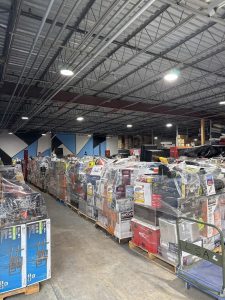
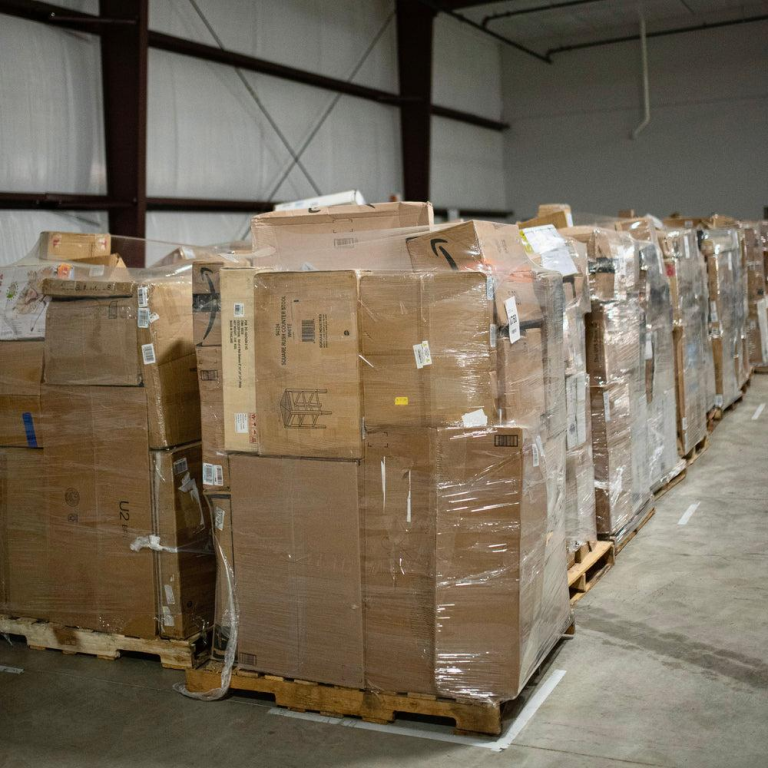
Introduction: Why Electronics Are the Ultimate Liquidation Category
The electronics category represents the most lucrative segment of the wholesale liquidation market, commanding premium prices and attracting serious entrepreneurs. Consumer electronics—computers, smartphones, tablets, gaming equipment, and accessories—maintain robust secondary market demand, with buyers consistently seeking quality devices at discounted prices.
The wholesale electronics pallet market has experienced remarkable growth, with industry analysts projecting continued expansion as more consumers embrace sustainable purchasing and retailers accelerate inventory liquidation cycles. Unlike general merchandise that depreciates rapidly, quality electronics retain value and often appreciate when rare or discontinued models become harder to find.
This comprehensive guide reveals everything you need to know about sourcing, evaluating, and profitably selling electronics from wholesale liquidation pallets—whether you’re launching a new venture or scaling an existing reselling operation.
Understanding the Electronics Liquidation Market
Market Dynamics and Opportunity
The electronics liquidation market operates differently from other product categories due to several unique factors:
1. High Original Retail Values Electronics typically carry retail prices of $200-$5,000+, meaning a single item’s profit potential dramatically exceeds general merchandise. A pallet containing 50 laptops with an average retail value of $1,000 each represents $50,000 in potential sales—even at significant discounts.
2. Strong Secondary Market Demand Major platforms including Amazon Warehouse, eBay Electronics Category, and specialty sites like Swappa have massive buyer bases specifically searching for discounted electronics.
3. B2B Resale Opportunities Beyond individual consumers, electronics resellers can wholesale excess inventory to corporate refurbishers, IT asset disposal companies, and international distributors for consistent bulk sales.
4. Refurbishment and Repair Potential Many liquidated electronics require minor repairs or refurbishment—replacing batteries, software updates, or cosmetic restoration—that dramatically increase resale value. A laptop purchased for $150 that requires a $20 battery replacement and 30 minutes of work can sell for $400+.
5. Components and Parts Market Damaged or non-functional units can be harvested for components—hard drives, RAM, screens, batteries—which sell individually for substantial sums to repair shops and DIY enthusiasts.
Types of Electronics Available in Liquidation Pallets
Product Categories and Typical Specifications
1. Laptop and Desktop Computers
- Typical specs: Intel i5-i7 processors, 8-16GB RAM, 256GB-512GB SSD
- Grade ranges: Cosmetic wear to fully functional refurbished units
- Typical pallet value: $5,000-$25,000 retail | Purchase price: $1,000-$5,000
- Resale channels: Amazon, eBay, Woot.com, NewEgg
- Key challenge: Verifying functionality, identifying genuine components
2. Smartphones and Tablets
- Mix of carriers and manufacturers (Apple, Samsung, Google, etc.)
- Conditions: Returns, open-box, refurbished, or like-new sealed
- Typical pallet: 50-200 devices per pallet
- Retail value: $4,000-$30,000+ | Purchase price: $1,500-$8,000
- Resale channels: Carrier stores, MobileWholesalers.com, international distributors
- Key advantages: High demand, proven market, accessories cross-selling
3. Gaming Equipment
- PlayStation, Xbox, Nintendo consoles and games
- VR headsets and accessories
- Gaming monitors and peripherals
- Typical pallet: $3,000-$15,000 retail | $800-$3,000 purchase
- Resale channels: Gaming forums, TCGPlayer, Stock X
- Key insight: Vintage/discontinued models command premium prices
4. Networking Equipment
- Routers, switches, access points
- Business-grade vs consumer equipment
- Industrial and enterprise-level devices
- Typical pallet: $2,000-$12,000 retail | $500-$2,500 purchase
- Resale channels: Ebay Business, B2B wholesalers, IT contractors
- Advantage: Consistent B2B demand, technical buyer pool
5. Audio and Visual Equipment
- Soundbars, speakers, headphones
- Monitors and displays
- Projectors and home theater systems
- Typical pallet: $3,000-$20,000 retail | $1,000-$5,000 purchase
- Resale channels: Reverb.com for audio, eBay, specialized forums
- Market advantage: Passionate enthusiast community with high purchase intent
6. Smart Home and IoT Devices
- Smart speakers, thermostats, security systems
- Connected appliances
- Home automation hubs
- Growing category with expanding demand
- Typical pallet: $2,000-$10,000 retail | $600-$2,500 purchase
- Resale channels: Amazon, smart home specialty retailers
Sourcing Electronics Liquidation Pallets: Where to Find Inventory
Supplier Network and Sourcing Strategies
Primary Electronics Liquidation Suppliers
1. Specialized Electronics Liquidators Companies like Wholesale-Palletliquidators.com focus specifically on electronics, maintaining relationships with:
- Major retailers (Best Buy, Micro Center returns)
- Carrier stores (Verizon, AT&T refurbished inventory)
- Manufacturer refurbishment centers
- Corporate IT equipment upgraders
- Certified refurbishers
2. General Liquidation Platforms
- Liquidity Services Auctions – Government and corporate surplus
- eBay Sales Liquidation – Returns and overstock
- Vivosmart Liquidation – Multi-category liquidator
3. Direct B2B Relationships Established resellers often develop direct relationships with:
- Corporate IT departments managing equipment replacement cycles
- Retail stores liquidating seasonal overstock
- Manufacturer refurbishment centers with excess inventory
- Certified Apple, Microsoft, and other brand refurbishment partners
4. Auction Platforms
- Copart.com – Vehicle and equipment auctions
- Gov Deals – Government surplus
- IronPlanet – Equipment auctions
Building Your Sourcing Network
Success requires developing systematic sourcing processes:
- Establish Accounts with 5-10 different suppliers for inventory diversity
- Set Alerts for product categories matching your specialization
- Join Email Lists for new inventory notifications
- Attend Trade Shows for industry networking and direct supplier meetings
- Develop Personal Relationships with supplier account managers
- Track Performance of different suppliers’ pallet quality and profitability
Evaluating Electronics Liquidation Pallets: Critical Assessment Framework
Technical and Condition Evaluation Process
Before committing capital to any electronics pallet, implement rigorous evaluation procedures:
1. Documentation Review Request detailed documentation including:
- Complete item inventory with specifications
- Unit counts by condition level (A-Grade, B-Grade, C-Grade)
- Photos of pallet contents and condition samples
- Hardware specifications (RAM, storage, processors)
- Manufacturing dates and warranty status
- Return/defect rates from testing
2. Technical Condition Assessment For electronics specifically:
| Grade | Condition | Specifications | Typical Pricing |
|---|---|---|---|
| A | New/Sealed | Fully functional, original packaging | 25-35% discount |
| A- | Like-New | Minimal use, no visible damage | 35-45% discount |
| B | Good | Light cosmetic wear, fully functional | 50-60% discount |
| B- | Fair | Moderate wear, fully functional | 60-70% discount |
| C | Acceptable | Visible damage, fully functional | 70-80% discount |
| C- | Parts | Non-functional/requires repair | 80-95% discount |
3. Functional Testing Requirements Before purchase, confirm:
- Sample units have been tested and power on
- Software functionality verified
- Batteries hold charge (for mobile devices)
- Storage devices are functional
- All ports and buttons operational
- No signs of water damage or corrosion
4. Authenticity Verification Critical for high-value devices:
- Verify serial numbers match device markings
- Confirm operating system licenses
- Check for refurbished vs. new designation
- Identify genuine vs. third-party components
- Research known counterfeit models in category
5. Market Demand Verification Before purchase, validate demand:
- Search completed listings on eBay for similar models
- Check average selling prices (not asking prices)
- Note how quickly items sell
- Identify seasonal demand patterns
- Research competing inventory levels
Cost Analysis: Total Investment and Profitability Calculations
Complete ROI Worksheet for Electronics Pallets
Sample Scenario: Mixed Laptop Pallet
ACQUISITION COSTS:
Pallet Purchase Price:                    $2,500
Freight/Shipping:                         $400
Unboxing & Inspection Labor:              $200
Estimated Defects & Non-Functional:       $150

PREPARATION COSTS:
Operating System Reinstallation:          $400
Battery Replacements (estimated):         $300
Hard Drive Upgrades:                      $200
Cosmetic Restoration:                     $100

INVENTORY CARRYING COSTS:
Storage (60 days @ $200/mo):              $400
Insurance (estimated):                    $100
Utilities/Overhead:                       $150

SELLING COSTS:
Marketplace Fees (12% average):           $1,200
Packaging & Shipping Materials:           $600
Return/Defect Allowance (8%):            $640
Customer Service Labor:                   $300

TOTAL INVESTMENT:                         $7,340

REVENUE CALCULATION:
50 Laptops × $320 avg selling price:      $16,000

NET PROFIT:                               $8,660
ROI:                                      118%
Timeline to Break-Even:                   20-25 days
This demonstrates why electronics, despite higher investment requirements, generate significantly superior returns compared to general merchandise pallets.
Building an Electronics Reselling Operation: Infrastructure Requirements
Setting Up Professional Electronics Business Infrastructure
1. Testing and Diagnostics Equipment
- Universal power adapters ($50-$200)
- Battery testers and chargers ($100-$500)
- Thermal imaging cameras for battery issues ($200-$1,000)
- Hard drive diagnostic tools (free software)
- Motherboard testing equipment ($100-$500)
2. Software and Licensing
- Microsoft Windows licenses for OS installation
- Professional diagnostic software subscriptions
- Device configuration and initialization tools
- Data wiping/sanitization software
- Inventory management system (Shopify, Square)
3. Storage Infrastructure
- Anti-static workbenches and mats
- Shelving rated for electronics weight
- Climate control to prevent moisture damage
- Security systems for high-value inventory
- Organized bin system for small components
4. Shipping and Packaging
- Heavy-duty boxes and packaging materials
- Anti-static bags for sensitive components
- Thermal protection for temperature-sensitive items
- Insurance for shipments over $500
- Relationships with multiple carriers
5. Documentation and Compliance
- Detailed condition documentation photos
- Functionality testing reports
- Data wiping verification certificates
- Warranty cards and registration materials
- GDPR-compliant data removal records
Multi-Channel Sales Strategy for Electronics
Maximizing Revenue Across Multiple Platforms
1. Amazon FBA Electronics Strategy
- List A-Grade and A- Grade inventory
- Focus on current-generation devices
- Utilize brand registry for higher pricing authority
- Leverage Amazon’s electronics buyer trust
- Typical margins: 30-50% profit
2. eBay Electronics Expertise
- Auction and fixed-price listings
- Detailed condition descriptions critical
- Honest defect disclosure increases buyer confidence
- Specialist category credibility
- Build seller reputation in electronics niche
- Typical margins: 40-60% profit
3. Swappa.com – Specialized Electronics Platform
- Highly targeted electronics buyer base
- Verified buyer and seller system
- Focus on smartphones, tablets, laptops
- Trusted platform for expensive transactions
- Lower competition than general marketplaces
- Typical margins: 35-55% profit
4. B2B Wholesale Channels
- Woot (Amazon-owned, bulk buyers)
- Newegg Business – Corporate buyers
- Manufacturer refurbishment partners
- Corporate IT equipment upgraders
- Professional IT contractors
5. International Markets
- MercadoLibre – Latin America
- Alibaba – Asia-Pacific bulk buyers
- European distributors via eBay International
- Canadian and Australian markets
- Higher margins due to shipping costs
6. Specialty Platforms
- TCGPlayer and StockX for gaming
- Reverb.com for audio equipment
- CNET equipment reviews for credibility
- Local classified sites (Craigslist, Facebook Marketplace)
Geographic Advantages in Electronics Liquidation
Regional Market Dynamics and Opportunities
Technology Hub Markets (High-Density Electronics Sourcing):
- Silicon Valley, California – Maximum supplier density and competition
- Seattle, Washington – Microsoft and tech company headquarters
- Austin, Texas – Dell and technology manufacturing center
- Boston, Massachusetts – Tech startup and education hub
- San Diego, California – Computer manufacturing and defense tech
Distribution Hub Markets:
- Dallas/Fort Worth, Texas – Central US logistics
- Chicago, Illinois – Midwest electronics distribution
- Atlanta, Georgia – Southeastern hub with rapid growth
- Los Angeles, California – Pacific rim international access
Financial Advantages by Region:
- Lower shipping costs from nearby suppliers
- Access to damaged goods repairs specialists
- Tech-savvy local buyer base for faster turnover
- Networking with established reseller communities
- Lower commercial real estate costs (except major hubs)
Advanced Electronics Reselling Strategies
Professional-Level Tactics for Experienced Operators
1. Specialization and Niche Focus Rather than selling all electronics, develop expertise in specific categories:
- Apple products (highest demand and margins)
- Business laptops (consistent commercial demand)
- Gaming equipment (passionate buyer communities)
- Industrial/commercial network equipment
- Professional audio and video equipment
2. Refurbishment and Value-Add Services Increase profit by enhancing product value:
- Professional hard drive upgrades (SSD replacements)
- RAM upgrades for improved performance
- New battery installations
- Professional cosmetic restoration
- Custom configurations for business buyers
3. Bulk B2B Sales Development Corporate clients purchase in volume with less price sensitivity:
- Corporate refurbishment centers
- Government IT procurement
- Educational institutions (schools, universities)
- Non-profit organizations
- International distributors and wholesalers
4. Data Security and Compliance Specialization High-value service differentiator:
- NIST 800-88 compliant data removal
- GDPR-compliant data destruction
- Detailed certification of data removal
- Chain-of-custody documentation
- Enables sales to sensitive industries (finance, healthcare, government)
5. Warranty and Protection Services Increase customer confidence and margins:
- 30-day satisfaction guarantees
- Extended warranty offerings
- Protection against defects
- White-glove setup services
- Premium customer support
Risk Management and Mitigation Strategies
Protecting Your Electronics Reselling Business
1. Quality Control and Testing
- Test 100% of inventory before listing
- Maintain detailed testing documentation
- Establish clear defect definitions
- Implement random reinspection process
- Track failure rates by supplier and pallet
2. Inventory Management
- Track inventory age (electronics depreciate rapidly)
- Identify slow-moving items quickly
- Implement clearance pricing strategy
- Prevent obsolescence through volume monitoring
- Rotate stock to maintain turnover
3. Customer Communication
- Provide detailed, honest condition descriptions
- Include clear photos from multiple angles
- Document any cosmetic flaws explicitly
- Disclose refurbished status transparently
- Prepare detailed condition reports
4. Return and Dispute Management
- Establish clear return policies
- Document original shipment condition
- Maintain professional communication
- Keep detailed buyer interaction records
- Use platform dispute resolution systems appropriately
5. Financial Risk Reduction
- Start with small pallet investments to develop expertise
- Allocate 10-15% of budget for defects and returns
- Maintain cash reserves for seasonal fluctuations
- Negotiate favorable payment terms with suppliers
- Track profitability by pallet and adjust sourcing accordingly
Legal and Compliance Considerations
Operating a Legitimate Electronics Reselling Business
1. Business Registration and Licensing
- Register business entity with appropriate state agency
- Obtain EIN from IRS
- Apply for sales tax permit (if applicable)
- Comply with local business licensing requirements
2. Tax Obligations
- File quarterly estimated taxes
- Maintain detailed expense records
- Track cost of goods sold accurately
- Understand 1099-K reporting requirements
- Establish accounting system for inventory
3. Data Security and Privacy
- Comply with GDPR when selling internationally
- Implement secure data destruction procedures
- Maintain CCPA compliance for California customers
- Document data removal practices
- Obtain liability insurance for data handling
4. Product Liability and Consumer Protection
- Maintain product liability insurance
- Comply with FTC guidelines for refurbished products
- Disclose product condition accurately
- Maintain return and warranty procedures
- Keep detailed records of all transactions
5. Export Controls If selling internationally:
- Comply with US export regulations
- Understand restrictions on certain technologies
- Maintain export documentation
- Consult with customs brokers for international sales
Building Long-Term Supplier Relationships in Electronics
Strategic Partnership Development
Successful electronics resellers develop deep relationships with suppliers:
Value Creation for Suppliers:
- Consistent volume purchases
- Reliable payment history
- Professional business conduct
- Referrals to other resellers
- Feedback on product quality
- Long-term commitments
Benefits You Receive:
- Early access to best inventory
- Volume-based pricing discounts
- Custom pallet selections
- Flexible payment terms
- Priority allocation of premium merchandise
- Direct access to new product sourcing
Building Relationships:
- Contact Wholesale-Palletliquidators.com account managers
- Schedule regular check-ins beyond transactions
- Provide sales and feedback reports
- Increase order volume over time
- Establish formal monthly or quarterly meetings
- Develop mutual business understanding
The Future of Electronics Liquidation: Emerging Opportunities
Market Trends and Growth Areas
1. Sustainability and Circular Economy Growing consumer interest in refurbished electronics reduces e-waste—creating business opportunities for professional refurbishers and resellers.
2. AI and Machine Learning Integration Advanced analytics tools help optimize:
- Pricing strategies
- Inventory management
- Demand forecasting
- Market trend identification
3. Expanded Geographic Markets Emerging markets increasingly demand affordable electronics:
- India, Southeast Asia, and Latin America
- Growing middle-class consumer bases
- Limited access to new electronics
- Strong demand for refurbished products
4. Subscription and Rental Models Alternative business models emerging:
- Device-as-a-Service offerings
- Subscription plans for electronics
- B2B lease arrangements
- Corporate equipment management services
5. Specialized Equipment Niches Growing demand in emerging categories:
- Cryptocurrency mining equipment
- Medical devices and diagnostic tools
- Industrial IoT devices
- Commercial drones and sensors
Conclusion: Building a Sustainable Electronics Reselling Business
The electronics liquidation market offers entrepreneurs genuine opportunities to build profitable, scalable businesses. Success requires:
- Disciplined Sourcing from reputable suppliers
- Rigorous Quality Control and testing procedures
- Diverse Sales Channels to maximize market reach
- Professional Operations meeting legal and compliance requirements
- Continuous Learning about market trends and customer preferences
- Strong Supplier Relationships for competitive advantages
Whether you’re taking your first steps into electronics reselling or scaling an existing operation, the wholesale liquidation electronics market remains one of the most attractive opportunities in e-commerce today.