A home goods pallet can make you money fast – or eat your cash for months.
The difference usually isn’t hustle. It’s buying the right mix for your sales channel, knowing what condition risk you can absorb, and having a plan before the freight truck shows up. Home goods liquidation pallets are one of the best categories for resellers because people always need towels, storage, cookware, small decor, and seasonal basics. But it’s also a category where breakage, missing parts, and “looks great in the listing photo” items can wreck margins if you buy blindly.
What “home goods liquidation pallets” really are
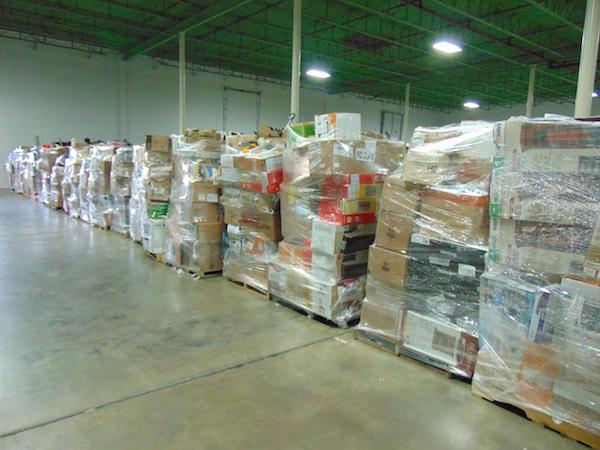
Home goods liquidation pallets are bulk lots of home-related merchandise that originally came from major retail supply chains and then moved into liquidation due to overstock, shelf pulls, customer returns, packaging damage, season changes, or discontinued lines. Instead of being restocked at full retail, the inventory gets consolidated into pallets and sold at a steep discount.
For a reseller, that discount is the whole game. You’re not trying to keep everything. You’re buying a pile of opportunity, then turning it into cash by breaking it down item-by-item.
The key nuance: “Home goods” is broad. One pallet might lean practical – kitchen tools, organizers, cleaning accessories. Another might lean giftable – candles, frames, throw pillows. That mix changes your average selling price, your return rate, and your labor time per unit.
Why home goods is a strong resale category
Home goods tends to move year-round, which helps cash flow. Unlike some trend categories, you’re not betting everything on a single hot product. You’re spreading risk across dozens of SKUs.
It’s also friendly for multi-channel reselling. Many items can sell locally (Facebook Marketplace, flea markets, discount stores) where customers want to touch and see the product. Others sell well online, especially small, lightweight items that ship cheaply.
The trade-off is that home goods often has more “condition interpretation” than, say, sealed consumables. A box dent might be fine for a bargain shopper. A chipped ceramic rim is a refund waiting to happen. Your channel determines what’s acceptable.
What you’ll typically find inside
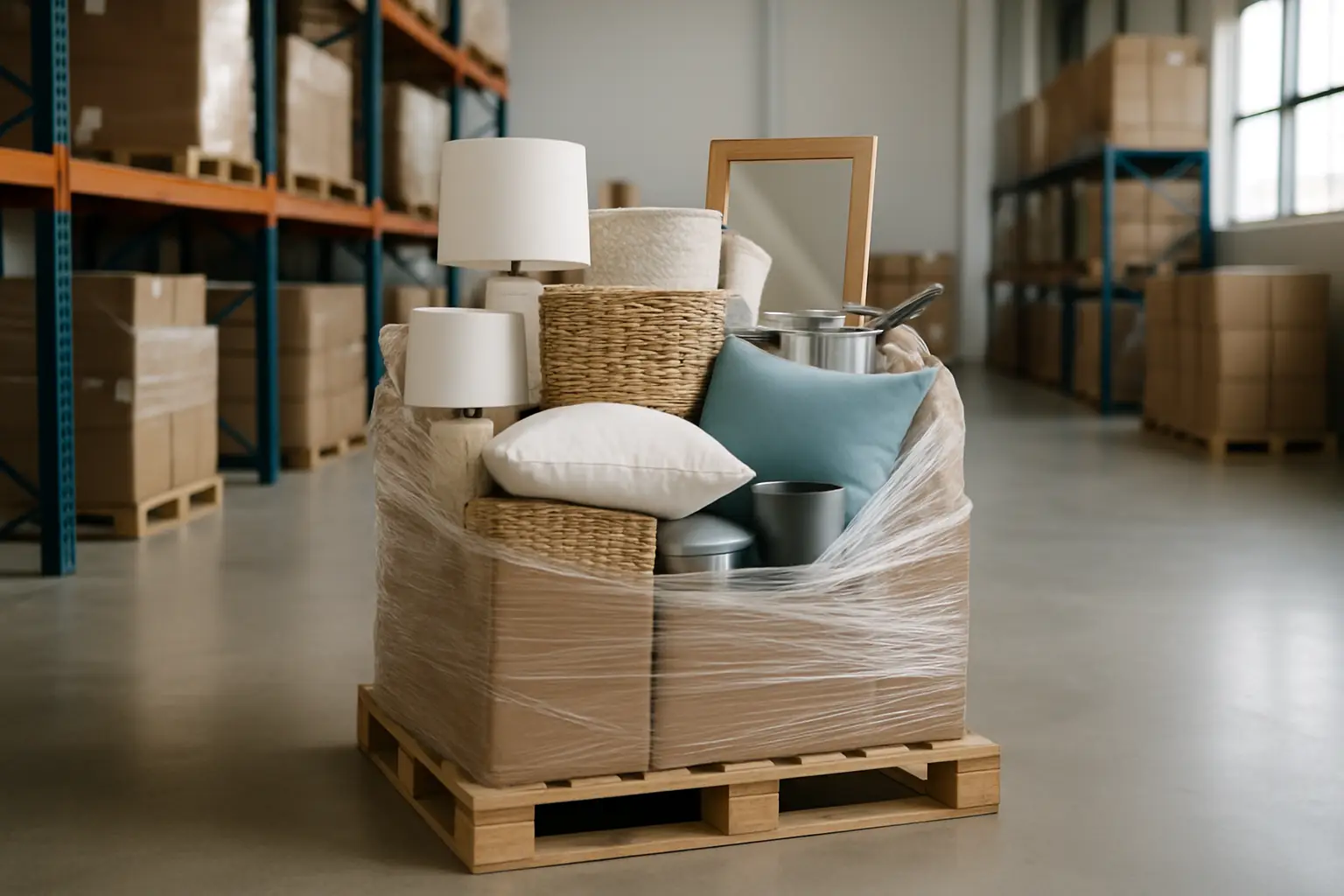
Most home goods pallets include a mix of categories that retailers stock together: kitchenware, storage and organization, bath items, small decor, bedding accessories, and seasonal pieces. You might see brand-name items mixed with private-label lines. You might get a lot of the same SKU, or a true assortment.
Condition is where things vary most. Some pallets are heavy on shelf pulls and overstock, meaning the product is generally clean and complete. Others include returns, which is where you can find great value and also your biggest time sink.
When you’re evaluating a pallet, think in terms of “sellable percentage.” If you can realistically sell 70-85% of the units with reasonable effort, you can build a healthy margin even if the remaining 15-30% becomes bundles, clearance, or donate pile.
The biggest risks (and how resellers manage them)
Breakage is real. Ceramic, glass, and some small appliances can arrive damaged even if they left the warehouse fine. If your plan relies on every unit being perfect, home goods will humble you. Resellers who do well here price in some loss, then focus on volume and velocity.
Missing parts is another common issue, especially with organizers, shelving, or multi-piece sets. You can still profit if you know how to pivot: sell incomplete items locally with honest labeling, bundle components, or part out what’s still useful.
The third risk is labor. Home goods doesn’t usually require testing like electronics, but it does require sorting, inspecting, cleaning, photographing, and sometimes re-boxing. If you’re selling online, that labor cost matters. If you’re running a local shop or booth, it may be worth it because you can move units fast.
How to choose the right pallet for your channel
If you sell mostly online, favor smaller items that ship easily and have clear product identifiers. Think branded kitchen gadgets, organizers, bath accessories, and lightweight decor. You want predictable shipping costs and low “arrived broken” claims.
If you sell locally, you can take on more bulky items and more packaging flaws. Customers at a discount store or weekend market are often fine with a beat-up box if the item is clean and priced right. Bigger items also let you hit higher ticket sales without competing as hard with national marketplace sellers.
If you do both, build a two-lane plan: keep shippable, higher-margin items for online listings, and move bulky, imperfect, or low-ASP items through local channels. That’s how you keep inventory from clogging your storage.
Pricing for profit: think margin, not “percent off retail”
Retail price is a reference point, not a business plan.
For home goods, your profit is usually made through consistent turns, not one jackpot item. Price based on what your market will pay and what your all-in costs are: pallet cost, freight, supplies, labor time, and platform fees.
A practical approach is to set target buckets. High-demand branded items can carry stronger margins. Generic decor and seasonal pieces often need aggressive pricing to move quickly. If you run a local store, you can use “good-better-best” pricing on similar items and let customers self-select.
Also be honest about time. If an item will take 20 minutes to clean, identify, photograph, and list for a $6 profit, it may be better as a bundle item. Home goods rewards resellers who protect their time like they protect their cash.
Inspecting and processing: how to move fast without cutting corners
The goal isn’t perfection. The goal is to find sellable inventory quickly and separate the problems before they waste your week.
Start with a quick triage as you unload: (1) ready to list, (2) needs light cleaning or missing packaging, (3) questionable – inspect for damage/parts, (4) not worth your time. Even if you don’t label bins, mentally sorting like this keeps you from bouncing between items and losing momentum.
For fragile items, do a basic tap-and-look check and inspect edges. For sets, count pieces immediately and decide whether you can sell incomplete. For anything with a model number, capture it right away for faster listing later.
Then decide your fastest sales path. A clean kitchen tool with a recognizable brand might go straight online. A pile of mixed organizers might become a “storage bundle” for local buyers. The win is speed: cash back in, next pallet paid for, repeat.
When mixed pallets beat category-specific (and when they don’t)
Mixed home goods pallets can be great when you need variety, you sell locally, or you’re still learning what your buyers respond to. Variety creates more chances to hit what moves in your area.
Category-specific pallets can be stronger when you know your niche and want repeatable listings. If you’ve built a store section around kitchen and pantry organization, for example, deeper inventory makes restocking easier and your marketing clearer.
It depends on your constraints. Limited storage and limited time often favor more predictable, category-focused loads. A larger space and multiple sales outlets can handle mixed pallets and still move everything.
Buying smarter: what to ask and what to look for
The most expensive pallet isn’t always the worst deal, and the cheapest isn’t always a bargain. You’re buying risk and labor as much as product.
Look for clarity on what you’re getting: general category, estimated unit count, condition notes, and whether the lot leans toward overstock/shelf pulls or returns. If you’re newer, start with lower-risk conditions and build up as you learn your inspection rhythm and your sell-through rates.
And pay attention to shipping realities. Home goods pallets can be bulky, and freight costs can swing your per-unit cost more than you expect. If you’re calculating profit, include the delivered cost, not just the pallet price.
If you want a straightforward way to buy online without negotiating a distributor relationship, Wholesale Pallet Liquidators (https://wholesale-palletliquidators.com/) is built around reseller-friendly pallets across categories, with options to scale from single pallets to bigger orders when your turn rate proves the model.
The reseller mindset that makes this category work
Home goods liquidation isn’t about getting lucky. It’s about running a repeatable system.
Resellers who win here keep three things tight: buying discipline, processing speed, and pricing that moves product. They don’t fall in love with retail tags. They don’t let a few damaged units convince them the whole pallet was bad. They measure what matters – how fast inventory turns into cash, and how reliably that cash turns into the next profitable buy.
A helpful closing thought: before your next purchase, write down exactly how you’ll sell the “boring” half of the pallet. If that plan feels realistic, the exciting half becomes pure upside.
OUR AVAILABLE PALLETS
Bulk Accessories Pallets For Sales | Wholesale Mixed Accessories
Bulk Accessories Pallets For Sales | Wholesale Mixed Accessories
Funko Pop Pallets | Wholesale Collectible Vinyl Figures
Cheap Wholesale Video Game Pallets
EarPods Pallets Wholesale – Bulk Deals for Resellers
General Merchandise Pallets Wholesale
Wholesale Hunting & Fishing Gear Pallets
Liquidation Power Tool Pallets
Makeup and Beauty Pallets Wholesale
Mixed Electronics Pallet Wholesale
Pokémon Card Pallets Wholesale | Sealed Pokémon TCG Pallets
Sports Card Pallet Wholesale Premium Bulk Trading Cards
Stanley Cups Pallet | Bulk Insulated Tumblers for Resale
Detergent Pallets Wholesale | Bulk Laundry Supplies
Wholesale Kitchen Appliances Pallet