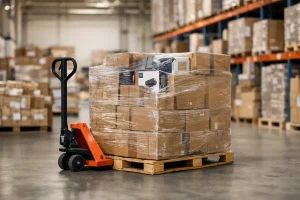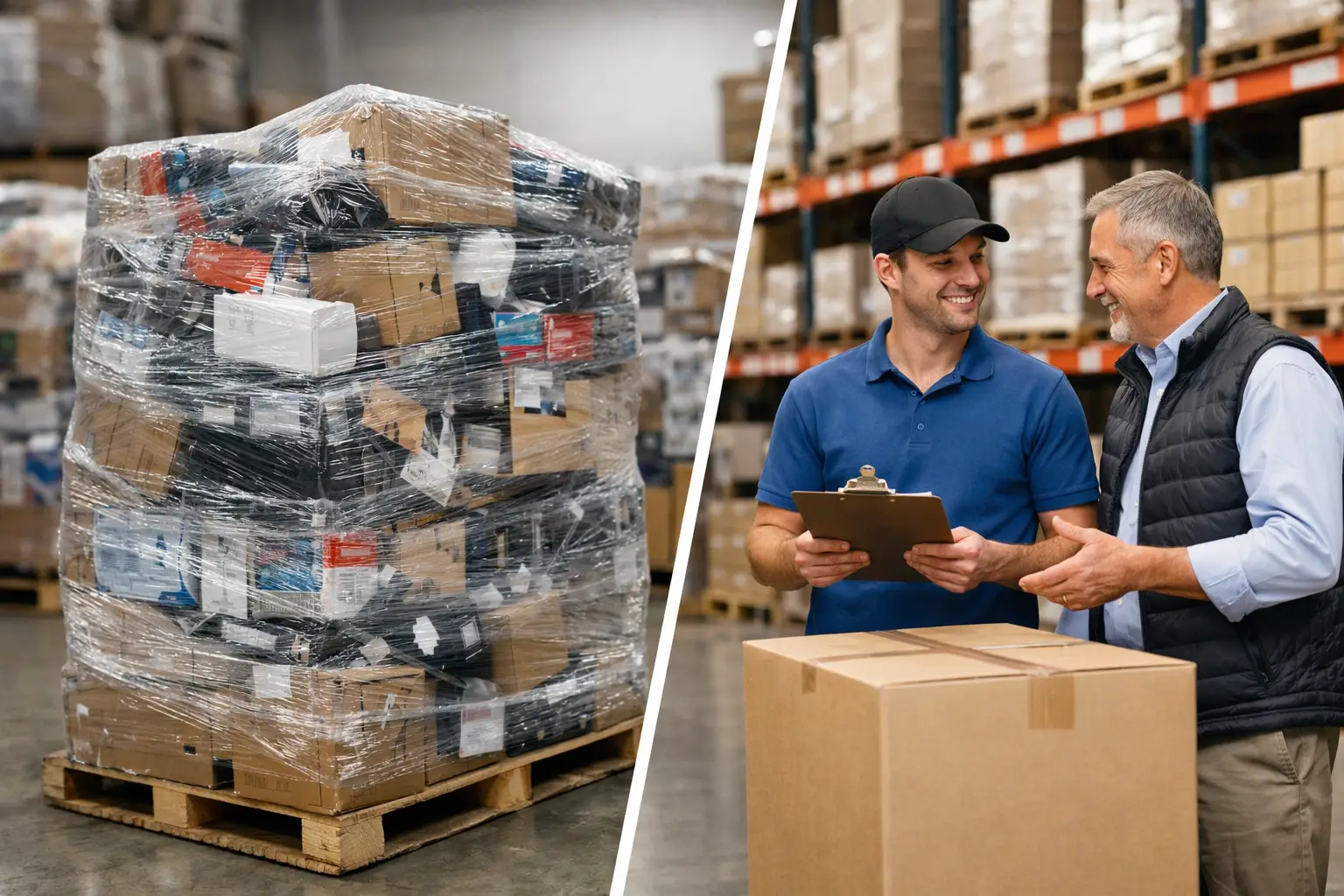
A lot of resellers learn this lesson the expensive way: cheap inventory is not the same as profitable inventory. When you compare liquidation pallets vs wholesale distributors, the real question is not which option sounds more established. It is which model gives you the best margin, the right product mix, and inventory you can actually move fast.
For marketplace sellers, local store owners, and side hustlers trying to scale, this choice affects cash flow almost immediately. Buy too predictably and your margins get squeezed. Buy too aggressively without understanding the risk and you can end up sitting on products that take months to sell. The right fit depends on how you sell, how quickly you need stock, and how much variance your business can handle.
Liquidation pallets vs wholesale distributors: the core difference
Liquidation pallets usually come from overstock, shelf pulls, closeouts, customer returns, and other retailer excess inventory. You are often buying mixed lots or category-specific loads at a steep discount, with the expectation that you will sort, test, list, and resell items individually or in smaller bundles.
Wholesale distributors work differently. They generally sell new, standardized products in case packs or quantity tiers. The inventory is more consistent, the SKUs are usually easier to reorder, and the condition tends to be more predictable. In exchange, the discounts are often less dramatic, and access may depend on account approval, resale documents, brand restrictions, or minimum order requirements.
That difference matters because one model is built around margin through opportunistic buying, while the other is built around consistency through structured supply.
When liquidation pallets make more sense
If your business does well with variety, liquidation pallets can be a strong fit. A mixed pallet can give you multiple categories, price points, and brands in one buy. That creates room for better margins, especially if you are comfortable breaking down lots and selling item by item.
This works well for resellers on eBay, flea market vendors, discount stores, and online sellers who know how to price around condition and demand. A pallet with toys, home goods, tools, or beauty products may contain enough resale opportunities to outperform a standard wholesale order on a per-dollar basis.
The upside is clear: lower cost of goods, a chance at branded merchandise, and more flexibility in how you sell through inventory. You can bundle slower movers, list high-demand products separately, and build profit from a wide spread of items instead of relying on one SKU.
The trade-off is that liquidation requires more hands-on work. You need to inspect merchandise, separate sellable units, identify damaged goods, and decide where each item fits best. Beginners sometimes underestimate that labor. The inventory may be affordable, but your time still has a cost.
When wholesale distributors are the better play
Wholesale distributors make sense when your business depends on repeatability. If you run a retail store and customers expect the same products every month, or if your online business is built around replenishable inventory, consistency can matter more than dramatic discounts.
Distributors are often easier to forecast around. You know the quantity, packaging, and product line before you buy. That helps with pricing, listing prep, shelf planning, and reordering. It can also reduce the amount of testing and sorting you need after delivery.
For some sellers, that predictability is worth giving up some margin. If you are trying to build a cleaner catalog, avoid condition-related customer issues, or maintain a tighter brand presentation, distributor inventory may fit your model better.
Still, distributors are not automatically the safer or more profitable choice. Lower operational hassle can come with thinner spreads. In many categories, especially competitive online ones, standardized inventory also means more sellers are listing the exact same product.
Cost, margin, and speed to profit
This is where liquidation pallets vs wholesale distributors becomes a practical business decision instead of a theory discussion.
Liquidation usually wins on entry price. You can often get more units, more variety, and a lower average cost per item than you would through traditional distribution. That is why many resellers use pallets to create margin. One strong item can cover a meaningful part of the buy, while the rest of the pallet becomes additional profit.
But margin on paper is not the same as margin in hand. If a pallet takes you two weeks to sort and another month to fully sell through, your money is tied up longer. If a distributor order gives you faster listing, faster shelf placement, and quicker sell-through, the lower gross margin may still produce healthier cash flow.
The best buyers look at both gross profit and turnaround time. A slower, high-margin pallet can be excellent if you have space, labor, and patience. A cleaner distributor order can be better if your business needs fast replenishment and simple operations.
Risk looks different in each model
Liquidation risk is mostly about variability. Condition can vary, brands can vary, and exact resale value can vary. Even when you buy from a supplier that provides strong guidance and category options, there is still a difference between buying liquidation and buying catalog inventory.
That does not make liquidation a bad bet. It just means success depends on sourcing well and buying with a plan. Category-specific pallets can reduce uncertainty. So can working with suppliers that focus on reseller support, secured payments, and fast shipping rather than leaving buyers to figure everything out alone.
Distributor risk is usually less obvious. You may receive more predictable inventory, but your profit can get squeezed by MAP policies, heavy competition, slow-moving SKUs, or larger minimum buys than your market can absorb. In other words, the inventory may be cleaner, but the resale path is not always easier.
Which model fits your business stage?
If you are newer to reselling, liquidation can be an accessible entry point because you do not always need a complex distributor relationship to get started. You can buy inventory, test categories, learn what sells, and build confidence without committing to a narrow product line.
That said, beginners should not buy the biggest load available just because the discount looks attractive. Start with inventory you can process and understand. A category you know well, like toys, home goods, tools, or apparel, will usually perform better than a random lot you cannot evaluate.
If you are more established, the choice often comes down to business model. Sellers who want stable reorders and standardized listings may lean toward distributors. Sellers who are focused on bargain sourcing, varied listings, and stronger upside per buy often stay close to liquidation.
A lot of experienced operators use both. They rely on distributors for staple inventory and use liquidation pallets to boost margin, add variety, and create deal-driven sales opportunities.
How to choose without guessing
Start with your actual sales channel. If you sell on marketplaces where listing variety gives you an edge, liquidation can work in your favor. If you sell in a store where consistency matters more, wholesale may be a cleaner fit.
Then look at your operation. Do you have room to receive, inspect, and sort pallets? Do you have staff or time to test and photograph mixed inventory? If yes, liquidation gives you more room to create profit. If not, distributor inventory may protect your time even if your costs are higher.
Finally, think about your buying goal. If you need steady replenishment, look hard at distributors. If you are trying to maximize margin, expand product mix, or find branded overstock at better pricing, pallets deserve serious attention.
For many resellers, the strongest move is not picking one side forever. It is using the right inventory source for the right job. A supplier like Wholesale Pallet Liquidators fits buyers who want affordable pallets, fast shipping, and a simpler path to inventory they can break down for resale.
The better question is what kind of reseller you want to be
Some businesses win by staying organized and predictable. Others win by spotting value where other buyers see complexity. That is why liquidation pallets vs wholesale distributors is not really a winner-take-all decision. It is a decision about how you want to make money.
If you want consistency, clean reorders, and a more controlled process, distributors may be the right lane. If you want stronger buying power, broader variety, and room to create margin through smart resale, liquidation pallets can be the better engine. Pick the model that matches your workflow, not just the one with the lowest sticker price.
OUR AVAILABLE PALLETS
Bulk Accessories Pallets For Sales | Wholesale Mixed Accessories
Bulk Accessories Pallets For Sales | Wholesale Mixed Accessories
Funko Pop Pallets | Wholesale Collectible Vinyl Figures
Cheap Wholesale Video Game Pallets
EarPods Pallets Wholesale – Bulk Deals for Resellers
General Merchandise Pallets Wholesale
Wholesale Hunting & Fishing Gear Pallets
Liquidation Power Tool Pallets
Makeup and Beauty Pallets Wholesale
Mixed Electronics Pallet Wholesale
Pokémon Card Pallets Wholesale | Sealed Pokémon TCG Pallets
Sports Card Pallet Wholesale Premium Bulk Trading Cards
Stanley Cups Pallet | Bulk Insulated Tumblers for Resale
Detergent Pallets Wholesale | Bulk Laundry Supplies
Wholesale Kitchen Appliances Pallet