
Buy Liquidation Pallets Wholesale: The Real Buyer's Guide for 2026–2027
If you've been scrolling through reseller forums or YouTube rabbit holes lately, you've probably heard people talking about liquidation pallets. Some are making solid side income. Others burned through their budget on a pallet full of broken returns. The difference? Knowledge.
This guide is built for both the first-timer who's never placed a liquidation order and the experienced reseller looking to tighten up their sourcing strategy. We'll cover what pallets actually are, where the best inventory comes from, how to read pricing, what licensing you might need, and how to actually make money on what you buy.
Let's get into it.
What Are Liquidation Pallets, Exactly?
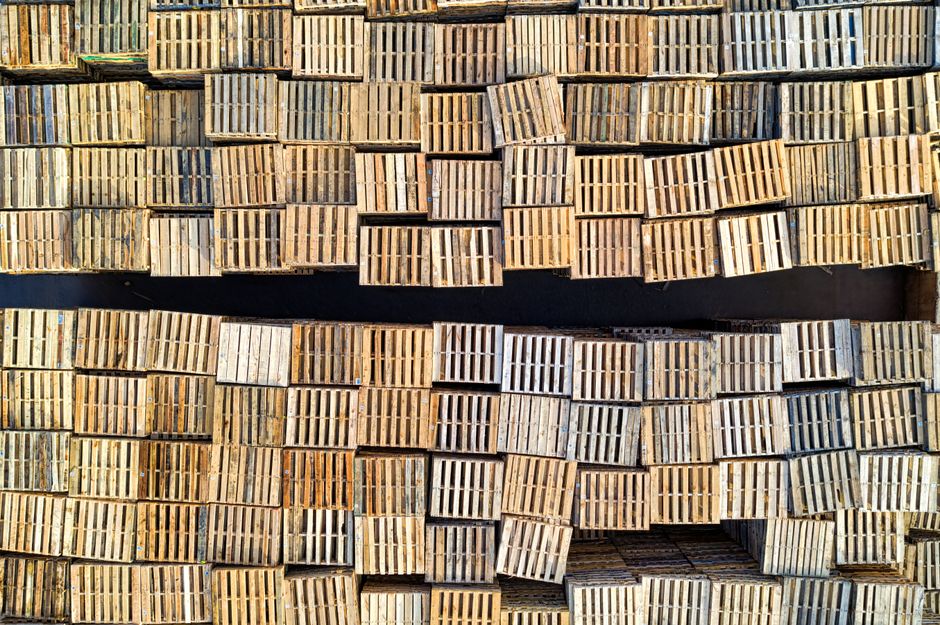
When major retailers—Amazon, Walmart, Target, Costco, TJ Maxx, Sam's Club—end up with customer returns, overstock, shelf pulls, or seasonal merchandise they can't move, they don't just throw it away. They sell it in bulk, usually on wooden pallets, through liquidation channels. That's where resellers like you come in.
You'll encounter two main pallet types:
Manifested pallets come with an itemized list (the manifest) that details what's on the pallet—SKUs, quantities, and sometimes original retail prices. This lets you estimate potential resale value before you buy. Manifested pallets generally cost more because the risk is lower.
Unmanifested pallets are mystery boxes at scale. You know the general category (electronics, apparel, home goods) but not the specific contents. These are cheaper upfront but carry more risk—you might open the pallet and find a mix of gems and junk.
For beginners, manifested pallets are almost always the smarter starting point.
How Much Do Liquidation Pallets Actually Cost?
Pricing on liquidation pallets ranges wildly—from around $100 for a small mixed-goods pallet up to $5,000+ for premium electronics or high-value consumer goods pallets. Here's what actually drives that number:
- Product category: Electronics and tools command higher prices than clothing or home décor. A pallet of gaming consoles will cost significantly more than a pallet of kitchen accessories.
- Condition grades: Most platforms use a grading system:
- Grade A (Like New / Shelf Pull): Items that were never opened or used. Highest resale value, highest purchase price.
- Grade B (Customer Returns, Tested): Returned items that have been inspected and confirmed working. Good middle ground.
- Grade C (Untested Returns / As-Is): Items sold without testing. Cheaper, but expect some percentage of non-working units.
- Manifested vs. unmanifested: As noted above, manifested pallets carry a price premium.
- Retailer source: Amazon and Walmart liquidation tends to carry strong brand recognition, which can mean better resale prices.
- Quantity purchased: Buying multiple pallets or truckloads typically unlocks better per-pallet pricing.
Quick example: A manifested electronics pallet from an Amazon liquidation channel might cost $800–$1,200 and carry an estimated retail value of $3,000–$5,000. However, condition and completeness vary—factor in a realistic sell-through rate before getting excited about those retail numbers.
Where Does the Best Liquidation Inventory Come From?
Knowing which retailers feed which product categories helps you buy smarter.
Amazon Liquidation is one of the most popular sources, largely because of the sheer volume and variety. Amazon processes millions of returns annually. Categories include electronics, toys, sporting goods, beauty, and home goods. Amazon partners with platforms like Direct Liquidation to move this inventory.
Walmart Liquidation tends to be strong for household goods, apparel, and consumables. Walmart's liquidation program is managed through ARCA and Direct Liquidation. Expect solid variety at competitive price points.
Target liquidates through a handful of authorized channels. Target returns and overstock often include name-brand apparel, baby products, seasonal items, and home décor. Quality can be strong, especially for shelf pulls.
Costco liquidation tends to feature bulk-packaged goods, appliances, furniture, and premium consumer electronics. Pallet sizes and minimum orders are typically larger, making this better suited for resellers with storage space and capital.
TJ Maxx and HomeGoods liquidation often yields fashion accessories, décor, and branded goods at significant markdowns. Because TJ Maxx already buys at discount, the liquidation pricing can be particularly attractive.
Sam's Club, Dollar General, CVS, and Walgreens are less glamorous but can be goldmines for resellers who focus on health, beauty, and general merchandise. Health and beauty pallets often include unopened or lightly returned products that resell well locally.
B2B marketplace platforms like Direct Liquidation and Via Trading aggregate inventory from multiple retail sources and allow you to bid or buy outright. These platforms handle a lot of the logistics complexity, which is helpful when you're starting out.
Want to skip the sourcing headache? Browse liquidation pallets for sale across multiple categories at Wholesale Pallet Liquidators.
Do You Need a Reseller's License?
Short answer: in most U.S. states, yes—or at least, you should have one.
A reseller's license (also called a resale certificate or seller's permit) lets you purchase goods for resale without paying sales tax upfront. Requirements vary by state:
- California, Texas, Florida, New York: All require a formal seller's permit for resale activity.
- Oregon, Montana, New Hampshire: No state sales tax, which simplifies things.
- Most other states: Require registration with the state's department of revenue or taxation.
Some liquidation platforms will require proof of a reseller's license before they'll sell to you—especially for B2B-only marketplaces. Even if it's not required by the platform, operating without one in a state that mandates it creates legal and tax exposure.
Action step: Check your state's department of revenue website or consult a local tax professional before your first purchase. It's usually a free or low-cost registration.
Note: This is general guidance, not legal advice. Licensing requirements can change, and state-specific rules vary—always verify current regulations with your state authority.
Evaluating Pallet Quality and ROI Before You Buy
This is where most beginners go wrong—they look at retail value and forget to account for everything between the pallet and the sale.
Here's a simple framework:
- Get the manifest (if available). Look up actual sold prices on eBay (use the "Sold Listings" filter), Facebook Marketplace, and Amazon—not retail prices. What are buyers actually paying?
- Estimate your sell-through rate. Not everything on a Grade B pallet will sell at full price. Budget for 70–85% sell-through on a good pallet, lower on unmanifested or Grade C.
- Factor in platform fees. eBay takes 10–13.25%. Amazon FBA has fulfillment and referral fees. Facebook Marketplace is mostly free for local sales.
- Account for shipping costs. Pallets are heavy. Freight shipping for a standard pallet typically runs $150–$400 depending on distance and weight. Always get a freight quote before finalizing your budget.
- Subtract your pallet cost. What's left is your gross margin—before your time.
Red flags to watch for:
- No manifest available and the seller won't describe the condition
- Prices that seem impossibly low for the category
- No physical address or verifiable business information for the seller
- Requests for wire transfer or cryptocurrency only (no buyer protection)
- No return or dispute process described
If something feels off, walk away. There's always another pallet.
Payment, Shipping, and Logistics: What to Expect
Most reputable liquidation platforms accept credit cards, ACH bank transfers, and sometimes PayPal. Avoid sellers who insist on wire-only payments with no recourse.
For shipping:
- LTL (Less Than Truckload) freight is standard for 1–5 pallets. You'll need a commercial address or a freight receiving service—most carriers won't deliver to residential addresses without a lift gate surcharge.
- Full truckload (FTL) makes sense when buying 20+ pallets. Significantly cheaper per pallet.
- Local pickup is always preferable if you're near a distribution center. You save on freight and can visually inspect before committing.
Always confirm: Does the price include shipping? Who files a freight claim if something is damaged in transit?
Best Resale Channels by Pallet Category
Not every channel works for every product type. Here's a practical breakdown:
| Category | Best Channels |
|---|---|
| Electronics | eBay, Amazon, Facebook Marketplace |
| Toys & Collectibles | eBay, specialty collector groups |
| Apparel & Accessories | Poshmark, eBay, flea markets |
| Home Goods | Facebook Marketplace, Craigslist, local retailers |
| Health & Beauty | Amazon, flea markets, local wholesale |
| Video Games | eBay, local game shops, Discord groups |
Speaking of specific categories—if you're into niche collectibles or pop culture merchandise, Wholesale Pallet Liquidators carries some highly resellable specialty inventory:
- Funko Pop Pallets — Wholesale collectible vinyl figures that move fast on eBay and at conventions
- Cheap Wholesale Video Game Pallets — Great for local game resellers and online flippers
- Labubu Mystery Figure Pallets — Trending collectibles with strong demand in 2026
- Bulk Accessories Pallets — Mixed accessories that move well at flea markets and on Poshmark
Common Mistakes First-Time Buyers Make
- Buying unmanifested pallets as a first purchase. Start with manifested inventory until you understand what sells in your market.
- Ignoring freight costs. A $300 pallet with $350 in freight is a $650 commitment—always math this out first.
- Buying outside your storage capacity. A full truckload sounds exciting until you realize you have nowhere to put 26 pallets.
- Selling on only one channel. Diversify. What doesn't sell on eBay might fly on Facebook Marketplace or at a local flea market.
- Skipping the research phase. Spend time understanding what's selling in your category before you buy. Look at completed eBay listings. Check Amazon bestseller rankings. Know your market.
Step-by-Step: How to Make Your First Purchase
- Get your reseller's license in your state (or verify you don't need one).
- Set a budget—include the pallet cost, freight, and a buffer for surprises.
- Choose a category you understand and have storage for.
- Browse reputable sources. Start with established marketplaces or trusted direct suppliers.
- Request the manifest (if not publicly posted) and do your price research.
- Get a freight quote before committing.
- Place your order using a payment method with buyer protection where possible.
- Inspect on arrival. Document everything with photos or video before and during unpacking.
- List and sell using the channel mix that fits your category.
- Reinvest and scale as you learn what works.
Ready to start sourcing? Explore premium liquidation pallets at Wholesale Pallet Liquidators and find the right inventory for your resale business.
Final Thoughts
Buying liquidation pallets wholesale isn't a guaranteed path to quick profits—but it is a legitimate, scalable business model when approached with the right information. The resellers who do well are the ones who treat it like a real business: they research before buying, track their margins carefully, adapt their resale channels based on what's working, and avoid chasing deals that look too good to be true.
Use this guide as your starting framework, keep learning from every purchase, and don't let one bad pallet stop you from building something real.