What Is Direct Liquidation?
Understanding the Liquidation Marketplace Model
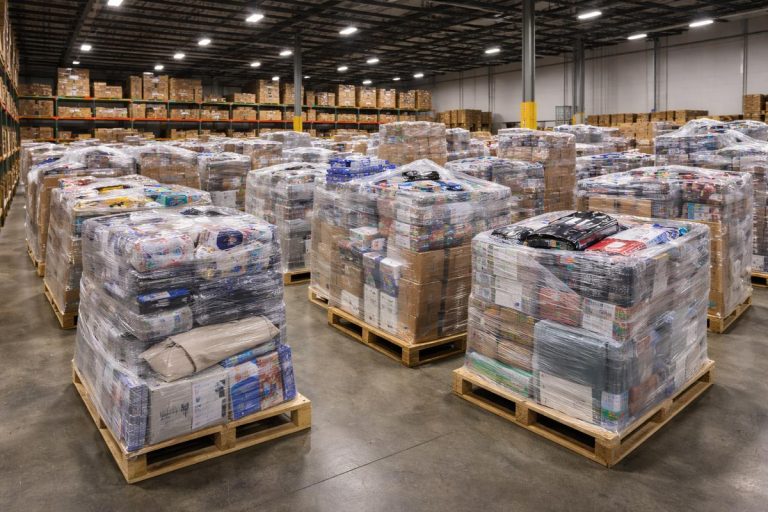
Direct liquidation is one of those business concepts that sounds complicated at first—but once you peel back the layers, it’s surprisingly straightforward. At its core, direct liquidation refers to the process where retailers, manufacturers, or suppliers sell excess inventory directly to buyers, often through online marketplaces or auction-style platforms. These goods can include customer returns, overstock items, shelf pulls, or even refurbished products.
Think about it this way: major retailers like Walmart, Amazon, and Target deal with massive volumes of returned or unsold products every single day. Instead of letting these items sit in warehouses and lose value, they move them quickly through liquidation channels. That’s where platforms like Direct Liquidation come into play—they act as a bridge between large retailers and smaller buyers looking for discounted inventory.
The liquidation marketplace model thrives on efficiency and scale. Instead of selling items individually at retail price, sellers bundle products into bulk lots and offer them at significantly reduced prices. Buyers—often resellers, entrepreneurs, or small business owners—can then purchase these lots and resell items individually for profit.
What makes this model especially appealing is its accessibility. You don’t need to be a massive corporation to participate. With the rise of online liquidation platforms, anyone with a bit of capital and strategy can tap into this supply chain. It’s almost like getting backstage access to retail inventory before it disappears entirely.
And here’s the kicker: the discounts can be substantial. It’s not uncommon to find products priced at 30% to 90% below retail value, depending on condition and demand. That’s why the direct liquidation model has become such a hot topic in e-commerce circles—it opens the door to serious profit potential if approached wisely.
How Direct Liquidation Works for Buyers and Sellers
The mechanics behind direct liquidation are where things get really interesting. While it may look like a simple buying-and-selling system on the surface, there’s actually a structured process that ensures both buyers and sellers benefit.
For sellers—typically large retailers—the goal is speed and recovery. When items are returned or remain unsold, they lose value over time. Holding onto them isn’t practical, so companies list these goods on liquidation platforms. They often categorize them based on condition, such as “new,” “like new,” “customer returns,” or “salvage.” This categorization helps buyers understand what they’re getting into.
Buyers, on the other hand, participate through auctions or fixed-price listings. After registering on a platform, they can browse available lots, review manifests (which detail the contents of each lot), and place bids. The auction format adds a layer of excitement—but also risk—because prices can fluctuate depending on demand.
Once a buyer wins an auction, the next steps include payment, shipping arrangements, and inventory handling. Shipping costs can vary significantly depending on the size and weight of the lot, so savvy buyers always factor this into their calculations.
One of the defining features of direct liquidation is transparency—at least to a certain degree. Most platforms provide manifests and condition notes, but there’s always an element of uncertainty. That’s part of the game. Experienced buyers learn to read between the lines, analyze lot data, and make informed decisions.
Ultimately, the system works because it solves a problem on both ends: sellers clear inventory quickly, and buyers gain access to deeply discounted goods. It’s a win-win scenario—if you know how to navigate it properly.
Why Direct Liquidation Is Gaining Popularity
Growth of E-commerce and Excess Inventory
If you’ve noticed more people talking about direct liquidation, you’re not imagining things. This space has exploded in recent years, largely fueled by the relentless growth of e-commerce. Online shopping has completely changed how consumers buy—and more importantly—how they return products. According to industry reports, e-commerce return rates can reach 20–30%, compared to just 8–10% in brick-and-mortar retail. That’s a staggering volume of merchandise flowing back into the system.
Now, imagine millions of returned items piling up across warehouses. Retailers simply don’t have the capacity—or the desire—to reprocess every single item for resale at full price. It’s inefficient and costly. That’s where direct liquidation marketplaces step in as a pressure valve, allowing businesses to offload excess inventory quickly while recovering a portion of their costs.
Another driving force behind this trend is the speed of modern retail cycles. Products—especially in categories like electronics and fashion—become outdated incredibly fast. A smartphone model that’s cutting-edge today might feel obsolete in six months. Retailers would rather liquidate older inventory than risk it becoming completely unsellable.
What’s fascinating is how this surplus has created an entirely new ecosystem. Entrepreneurs, side hustlers, and even full-time resellers now rely on liquidation platforms as their primary source of inventory. It’s almost like a hidden supply chain that runs parallel to traditional retail.
And let’s not ignore the role of global disruptions. Supply chain issues, overproduction, and shifting consumer demand have all contributed to excess inventory. Liquidation offers a flexible solution in an unpredictable market. It allows businesses to stay agile, while buyers gain access to deals that would have been unimaginable a decade ago.
In short, direct liquidation isn’t just growing—it’s becoming a cornerstone of modern commerce.
Benefits for Small Businesses and Resellers
For small businesses, direct liquidation can feel like discovering a secret weapon. Instead of competing with large retailers on price, they can source inventory at a fraction of the cost and carve out their own niche in the market. It levels the playing field in a way that traditional wholesale channels often don’t.
One of the biggest advantages is low entry cost. You don’t need massive capital to get started. Many platforms offer smaller lots, making it possible to test the waters without risking everything upfront. This flexibility is especially appealing for beginners who are still learning the ropes.
There’s also the diversity factor. Liquidation lots often contain a mix of products, which allows resellers to experiment with different categories. One shipment might include electronics, home goods, and apparel—all in one pallet. While this unpredictability can be challenging, it also opens the door to discovering high-margin items you might not have considered otherwise.
Another key benefit is the potential for high profit margins. Because items are purchased at steep discounts, even selling them below retail price can yield significant profits. Platforms like eBay, Amazon, and Facebook Marketplace become powerful tools for turning liquidation inventory into cash flow.
However, success in this space isn’t just about buying cheap and selling high. It requires strategy, patience, and a willingness to adapt. The most successful resellers treat this like a real business—they analyze trends, optimize listings, and continuously refine their sourcing methods.
Direct liquidation empowers small players to think big. It’s not just about flipping products; it’s about building a scalable, sustainable business model in a rapidly evolving market.
Types of Inventory Available on Direct Liquidation
Customer Returns and Overstock
When diving into direct liquidation, understanding the types of inventory available is crucial. Two of the most common categories you’ll encounter are customer returns and overstock items—and they couldn’t be more different in terms of risk and reward.
Customer returns are exactly what they sound like: products that buyers have sent back after purchase. These returns can happen for countless reasons—wrong size, minor defects, or simply buyer’s remorse. The tricky part is that the condition of these items can vary widely. Some may be practically brand new, while others might be damaged or missing components.
This variability is what makes customer returns both exciting and unpredictable. Experienced buyers often find incredible deals in this category, but it requires a keen eye and a tolerance for risk. Reading manifests carefully and understanding grading systems becomes essential.
On the flip side, overstock inventory is generally more consistent. These are brand-new items that didn’t sell within a retailer’s expected timeframe. Maybe they were overproduced, or perhaps demand didn’t meet expectations. Either way, overstock items are typically in excellent condition, making them a safer bet for beginners.
The trade-off? Overstock lots often come with higher starting prices compared to customer returns. But for many buyers, the reduced risk is worth the extra cost. It’s like choosing between a mystery box and a guaranteed package—you just have to decide which aligns with your strategy.
Understanding these categories helps you make smarter purchasing decisions and manage expectations. After all, in the world of liquidation, knowledge isn’t just power—it’s profit.
Refurbished and Salvage Goods
Beyond returns and overstock, there’s another layer to the liquidation landscape: refurbished and salvage goods. These categories tend to intimidate newcomers, but they can also offer some of the highest profit margins if handled correctly.
Refurbished items are products that have been repaired or restored to working condition. These are especially common in electronics—think laptops, smartphones, and home appliances. The key advantage here is value. Refurbished goods are typically sold at deep discounts, yet they can still command decent resale prices when marketed properly.
However, not all refurbished items are created equal. Some are professionally restored by manufacturers, while others may have undergone minimal repairs. Understanding the source and level of refurbishment is critical. Buyers who specialize in this niche often develop technical expertise, allowing them to assess and even repair items themselves.
Then there’s salvage inventory—the wild west of liquidation. These are products that are heavily damaged or non-functional. At first glance, they might seem like a bad deal. But for the right buyer, salvage goods can be a goldmine. Parts can be harvested, repaired, or repurposed, creating multiple revenue streams from a single purchase.
That said, salvage buying is not for the faint of heart. It requires experience, tools, and a clear strategy. Without those, it’s easy to lose money quickly.
The beauty of direct liquidation is that it caters to different risk appetites. Whether you prefer the relative safety of overstock or the high-risk, high-reward nature of salvage goods, there’s a place for you in this ecosystem.
Payment, Shipping, and Logistics
Winning a bid is just the beginning. The next phase—payment, shipping, and logistics—is where many newcomers underestimate the complexity of direct liquidation.
Payment terms vary by platform, but most require prompt payment within a specified window, often 24 to 48 hours. Delays can result in penalties or even account suspension, so it’s important to be prepared financially before participating in auctions.
Shipping is another critical factor. Liquidation lots are often large and heavy, requiring freight shipping rather than standard delivery services. Costs can vary widely depending on distance, weight, and shipping method. Some platforms provide shipping estimates, while others require buyers to arrange their own logistics.
This is where planning ahead pays off. Establishing relationships with reliable freight carriers or using third-party logistics providers can streamline the process and reduce costs over time.
Then comes inventory handling. Once your shipment arrives, the real work begins—sorting, testing, cleaning, and listing items for resale. This stage can be labor-intensive, especially for mixed lots. Having a system in place helps maintain efficiency and ensures nothing slips through the cracks.
Think of logistics as the backbone of your operation. You can find the best deals in the world, but without a solid plan for moving and managing inventory, those deals won’t translate into profit.
Legal and Regulatory Considerations
Liquidation isn’t just a financial process—it’s a legal one. Companies must follow strict procedures to ensure fairness and transparency.
This includes notifying creditors, appointing a liquidator, and adhering to the priority of claims. The process ensures that all stakeholders are treated fairly and that assets are distributed according to the law.
Ignoring these requirements can lead to penalties or even legal action.
Real-World Examples of Direct Liquidation
Picture a retail chain closing several stores. Instead of hiring an auction company, it sells its inventory directly to discount retailers. That’s direct liquidation in action.
Another example could be a manufacturing company selling its machinery directly to competitors. By cutting out intermediaries, the company maximizes returns and speeds up the process.
Tips for Businesses Considering Direct Liquidation
If you’re thinking about direct liquidation, here are a few practical tips:
- Assess your assets carefully before selling
- Understand market demand to set realistic prices
- Seek legal advice to avoid compliance issues
- Act quickly to preserve asset value
These steps can make the difference between a successful liquidation and a costly mistake.
Conclusion
Direct liquidation is more than just a financial strategy—it’s a powerful tool for businesses navigating closure or transition. By selling assets directly to buyers, companies can maximize returns, reduce costs, and speed up the liquidation process.
Whether driven by financial distress or strategic planning, this approach offers a level of control and efficiency that traditional methods often lack. However, it also requires careful planning, expertise, and compliance with legal requirements.
Understanding how direct liquidation works puts you in a stronger position to make informed decisions—whether you’re closing a business or simply exploring your options.
OUR AVAILABLE PALLETS
Bulk Accessories Pallets For Sales | Wholesale Mixed Accessories
Bulk Accessories Pallets For Sales | Wholesale Mixed Accessories
Funko Pop Pallets | Wholesale Collectible Vinyl Figures
Cheap Wholesale Video Game Pallets
EarPods Pallets Wholesale – Bulk Deals for Resellers
General Merchandise Pallets Wholesale
Wholesale Hunting & Fishing Gear Pallets
Liquidation Power Tool Pallets
Makeup and Beauty Pallets Wholesale
Mixed Electronics Pallet Wholesale
Pokémon Card Pallets Wholesale | Sealed Pokémon TCG Pallets
Sports Card Pallet Wholesale Premium Bulk Trading Cards
Stanley Cups Pallet | Bulk Insulated Tumblers for Resale
Detergent Pallets Wholesale | Bulk Laundry Supplies
Wholesale Kitchen Appliances Pallet