How to Start a Reselling Business With $500 or Less
Key takeaways
- You can launch a reselling business startup for under $500 by spending most of it on a small, focused batch of inventory and keeping fixed costs near zero.
- Demand is already there: in 2025, 93% of Americans bought a secondhand item, according to OfferUp's 2025 Recommerce Report.
- Track every cost (item price, shipping, and platform fees) so you measure true profit per item, not just the sale price.
- Reinvest early profits into more inventory before spending on tools, subscriptions, or bigger storage.
Yes, $500 is enough, because most of that money goes straight into a small batch of inventory while every other cost stays close to zero. From there it becomes a repeatable loop: buy low, list well, ship reliably, and reinvest what you earn.
Reselling has a low barrier to entry because you do not need a storefront, staff, or a warehouse to begin. You need a niche, a place to source cheap stock, and the discipline to track your numbers. This guide walks through each step so your first $500 buys experience and profit instead of a closet full of items you cannot move.
Key Takeaways
- Most of a $500 budget should go into inventory, not tools or subscriptions.
- Demand is strong: in 2025, 93% of Americans bought something secondhand (OfferUp, 2025).
- Track item cost, shipping, and platform fees to measure true profit per sale.
- Reinvest early wins before you spend on storage or software.
Why Start a Reselling Business Now?
Reselling sits inside a large and growing market, which means buyers are easy to find. In 2025, 93% of Americans bought a secondhand item, and 79% of secondhand buyers said they shop used to save money (OfferUp 2025 Recommerce Report, 2025). Demand this broad gives a new seller room to test niches without waiting on a trend.
The category keeps expanding year over year. OfferUp projects the U.S. recommerce market will grow 34% by 2030 to reach $306.5 billion. For a beginner, that growth means more buyers entering marketplaces every year, which softens the risk of learning as you go.
One useful detail for niche choice: apparel is only about 25% of the resale market, so 75% sits in categories like electronics, furniture, tools, and collectibles, per the same OfferUp report. If clothing feels crowded, plenty of room exists elsewhere.
How Should You Set a Starter Budget and Pick a Niche?
Split your $500 so inventory gets the largest share and fixed costs stay near zero. A workable first split is roughly $350 to $400 for inventory, $50 for shipping supplies and a cheap scale, and the rest held back as a buffer for fees and mistakes. Keep subscriptions and gadgets off the list until profit pays for them.
Pick a niche you can actually judge. If you know sneakers, tools, or vintage kitchenware, you already spot value and condition faster than a general seller. That edge matters more than any app. Start narrow, learn the price ranges, then widen once you know what sells.
Set expectations for income too. On a small budget, reselling starts as a side income that grows slowly as you learn. Treat your first months as paid training: the goal is to learn sourcing and pricing while turning a modest, steady profit you can reinvest.
Younger buyers drive much of the demand you will sell into. ThredUp reports that 71% of resale market growth through 2030 will come from Gen Z and Millennials (ThredUp 14th Annual Resale Report, 2026). That points beginners toward platforms and styles those shoppers favor.
Where Can You Find Low-Cost Inventory to Test the Waters?
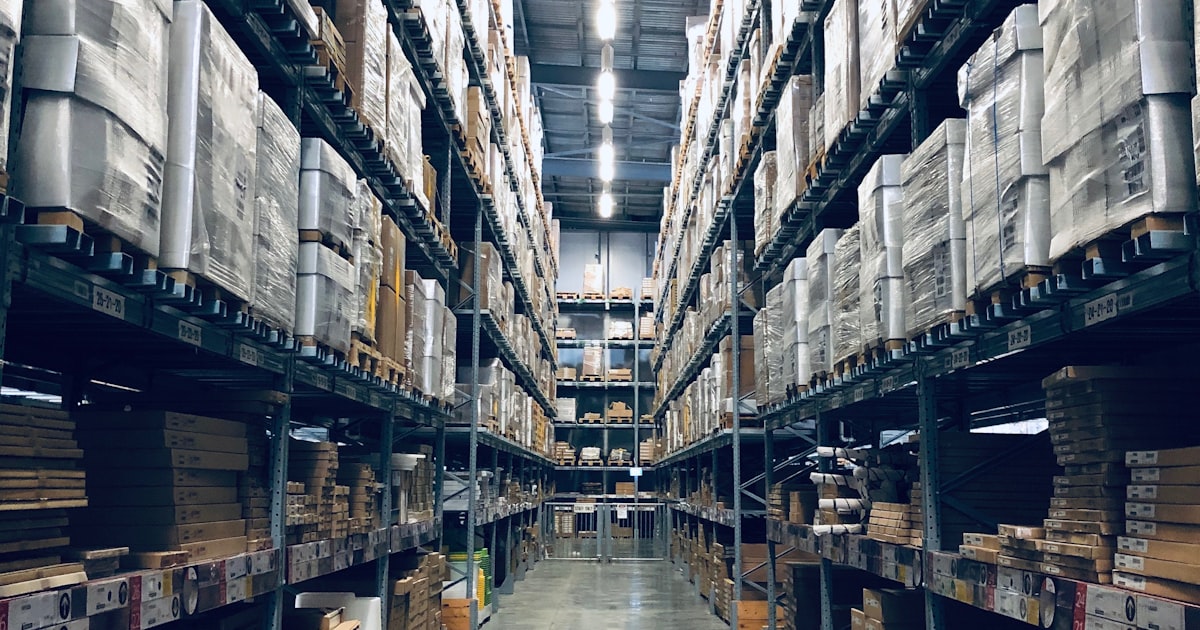
The best early inventory is cheap, familiar, and easy to ship. Thrift stores, garage sales, estate sales, and clearance racks let you buy one item at a time, which keeps risk low while you learn what resells. Local Facebook Marketplace deals and "free" curb listings can add stock for almost nothing but your time.
Once you can grade condition and price with confidence, buying in bulk lowers your cost per item. Liquidation and returns inventory is a large supply source: the U.S. secondhand apparel market alone is expected to reach $78.8 billion by 2030 (ThredUp 14th Annual Resale Report, 2026), and much of what feeds resale comes from overstock and customer returns.
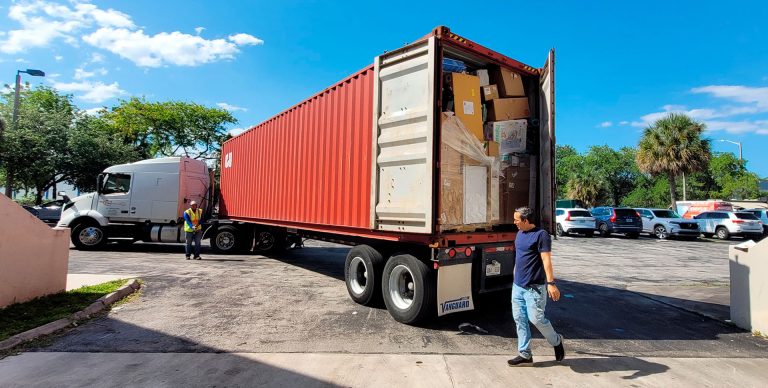
Start small with bulk buys. A single case or a small lot lets you test a category before committing a large share of $500 to one purchase. Suppliers like Wholesale-palletliquidators sell liquidation pallets and lots, and buying a modest lot first is the sensible way to learn how a category grades and sells before you scale the order size.
Whatever the source, buy for resale value, not for the discount. A 90% markdown means nothing if no one wants the item. Check recent sold listings on your target platform before you commit cash.
What Are the Storage, Listing, and Shipping Basics?
You can store early inventory in a corner, a closet, or a few labeled bins, so storage should cost you nothing at the start. Keep items clean, dry, and organized by category so you can find and photograph them fast. Only pay for storage once volume forces the decision.
Listings sell the item, so invest time here, not money. Use natural light, a plain background, and several clear photos that show flaws honestly. Write titles with the words buyers actually search: brand, model, size, and color. Accurate descriptions cut returns and build the ratings that drive future sales.
Match the platform to the product. Facebook Marketplace suits local furniture and bulky goods, eBay fits electronics and collectibles, and Poshmark or Depop work well for clothing. Read each platform's selling-fee schedule before you price, since fees vary; eBay, for example, publishes its final value fees by category (eBay selling fees, 2025).
For shipping, keep it simple. A basic scale, free carrier boxes where available, and prepaid labels through your selling platform cover most orders. Weigh and measure before you list so shipping cost never surprises you at checkout.

How Do You Track Costs and Calculate True Profit?
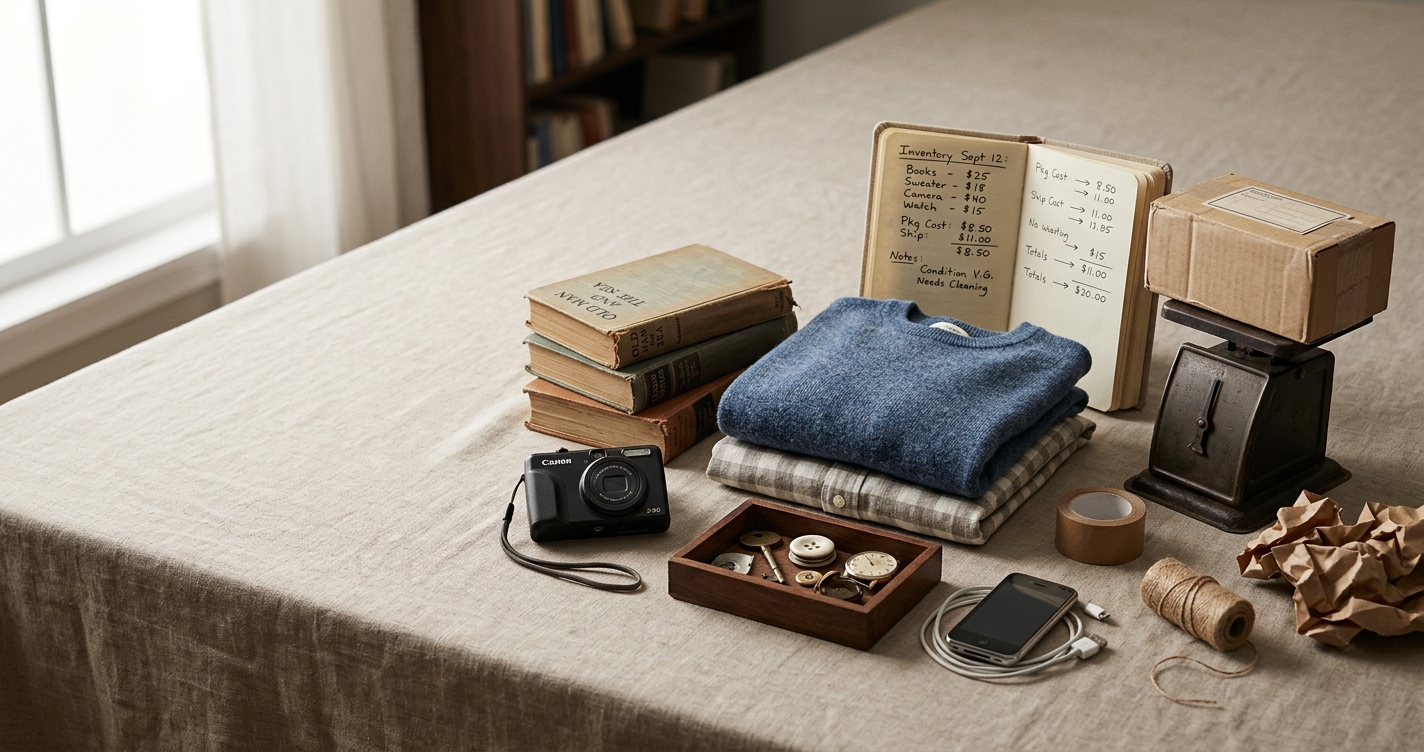
True profit is the sale price minus every cost to get that item sold: purchase price, shipping, packaging, and platform fees. Track it per item, because a single spreadsheet column showing "sold for $40" hides whether you made $25 or lost $3. Per-item math keeps your winners and losers visible.
Set up a simple sheet with columns for item, cost, shipping, fees, sale price, and profit. Update it as items sell. After 20 or 30 sales, patterns appear: which categories pay, which platforms take the biggest cut, and which items sit too long and tie up cash.
Remember taxes from day one. In the United States, reselling income is generally taxable, and online marketplaces report seller payments to the IRS, so keeping clean records now saves stress later (IRS gig economy tax center, 2025). Your cost records also become deductible expenses, which protects your margins.
The point of this tracking is decision-making. When you know real profit per item and per hour, you can drop weak categories, double down on strong ones, and price with confidence instead of guessing.
How Do You Scale Up Once Your First Flips Succeed?
Scale by reinvesting profit into more of what already works, not by adding cost. Once a niche shows steady, positive per-item profit, funnel earnings into larger or more frequent inventory buys in that same category. Growth compounds fastest when you repeat proven flips rather than chasing new ideas.
Add tools only when volume justifies them. A subscription, a label printer, or extra storage should pay for itself in saved time or added sales. If it does not, skip it. Buyers driving future demand are largely younger shoppers, so expanding into platforms Gen Z and Millennials prefer can widen your reach as you grow.
Bulk sourcing becomes more attractive at this stage. With sourcing and pricing skills proven, buying larger liquidation lots lowers your cost per item and raises margin, provided you still check sold prices before each purchase. Grow the order size one step at a time so a single bad lot cannot wipe out months of gains.
Your next move is concrete: this week, pick one niche you understand, set aside $50 for supplies, and spend no more than $100 sourcing your first 10 to 15 items to list. Track each sale in a simple sheet, and once those items turn a profit, reinvest the earnings into a slightly larger batch in the same category.
Frequently asked questions
Is $500 really enough to start a reselling business?
Yes. A reselling business has low fixed costs, so most of your $500 can go straight into inventory. Many sellers start with a single bin of items and reinvest their first profits to grow.
What is the best platform for a beginner reseller?
Start where your buyers already are. Facebook Marketplace suits local furniture and bulky goods, eBay fits electronics and collectibles, and Poshmark or Depop work well for clothing.
How do I calculate real profit on a resale item?
Subtract the purchase price, shipping cost, packaging, and platform fees from the final sale price. What remains is your true profit. Do this per item so a few bad flips do not hide your winners.
Are liquidation pallets a good way to start?
They can be, but start small. A single case or small lot lets you test a category and learn to grade condition before you risk a large share of a $500 budget on one purchase.