
Liquidation Pallets 101: How to Buy and Resell for Profit
Key takeaways
- Liquidation pallets are bulk lots of retailer returns, overstock, and shelf pulls sold at a steep discount to their original retail value.
- A manifest lists the items, quantities, and retail prices in a lot, and reading it well is the single best way to estimate resale value before you buy.
- Realistic gross margins on a good pallet tend to fall in the 30 to 50 percent range once you subtract shipping, fees, and unsellable items.
- The most common beginner mistakes are ignoring shipping costs, buying too big too soon, and having no clear plan for where to sell.
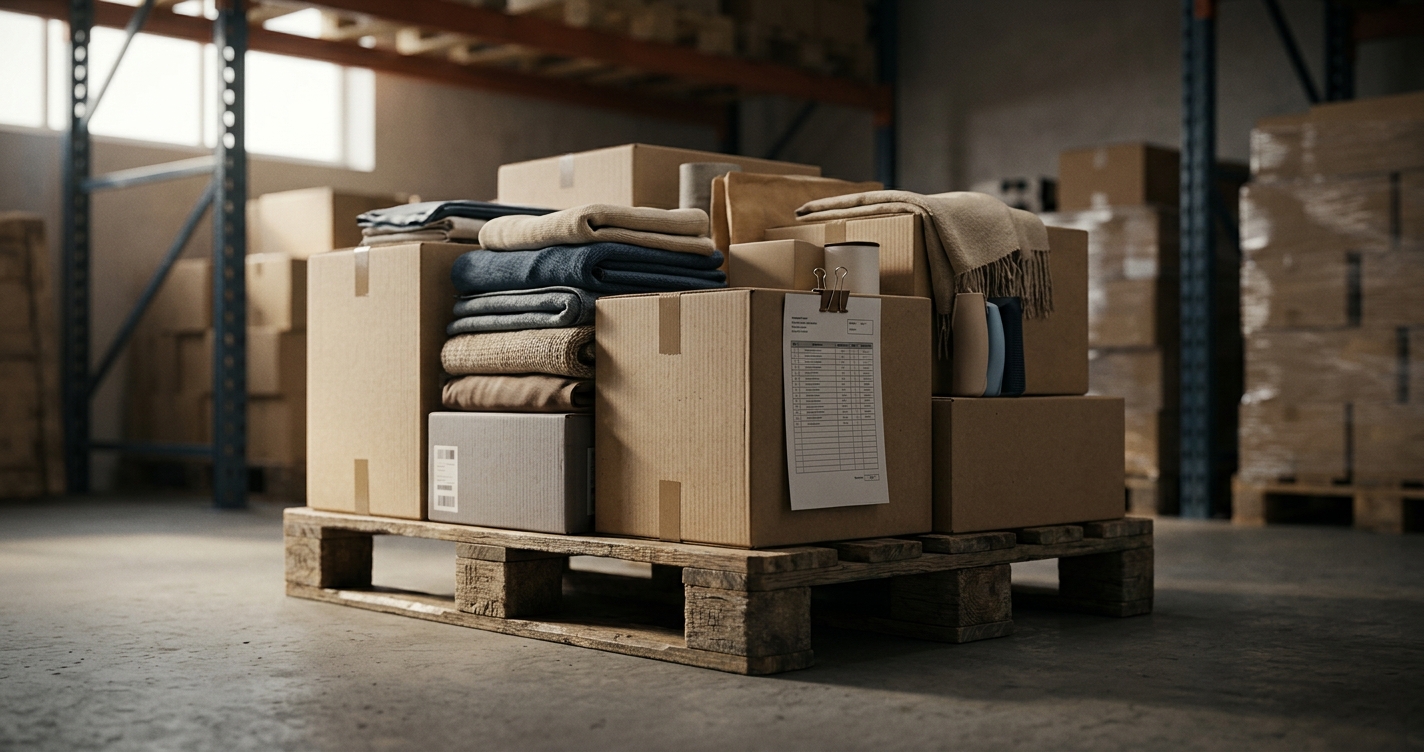
A liquidation pallet is a bulk lot of merchandise that a retailer no longer wants to sell through normal channels, sold in one crate at a fraction of its original retail value. You buy the lot, sort it, and resell the good items one by one for more than you paid, and the gap between those two numbers is your profit.
That is the whole model in two sentences. The details are where beginners either build a real side income or lose a few hundred dollars on a crate of broken headphones. This guide walks through where these pallets come from, how to read what you are buying, what margins are realistic, and how to avoid the mistakes that catch most first-timers.
What Liquidation Pallets Are and Where They Come From
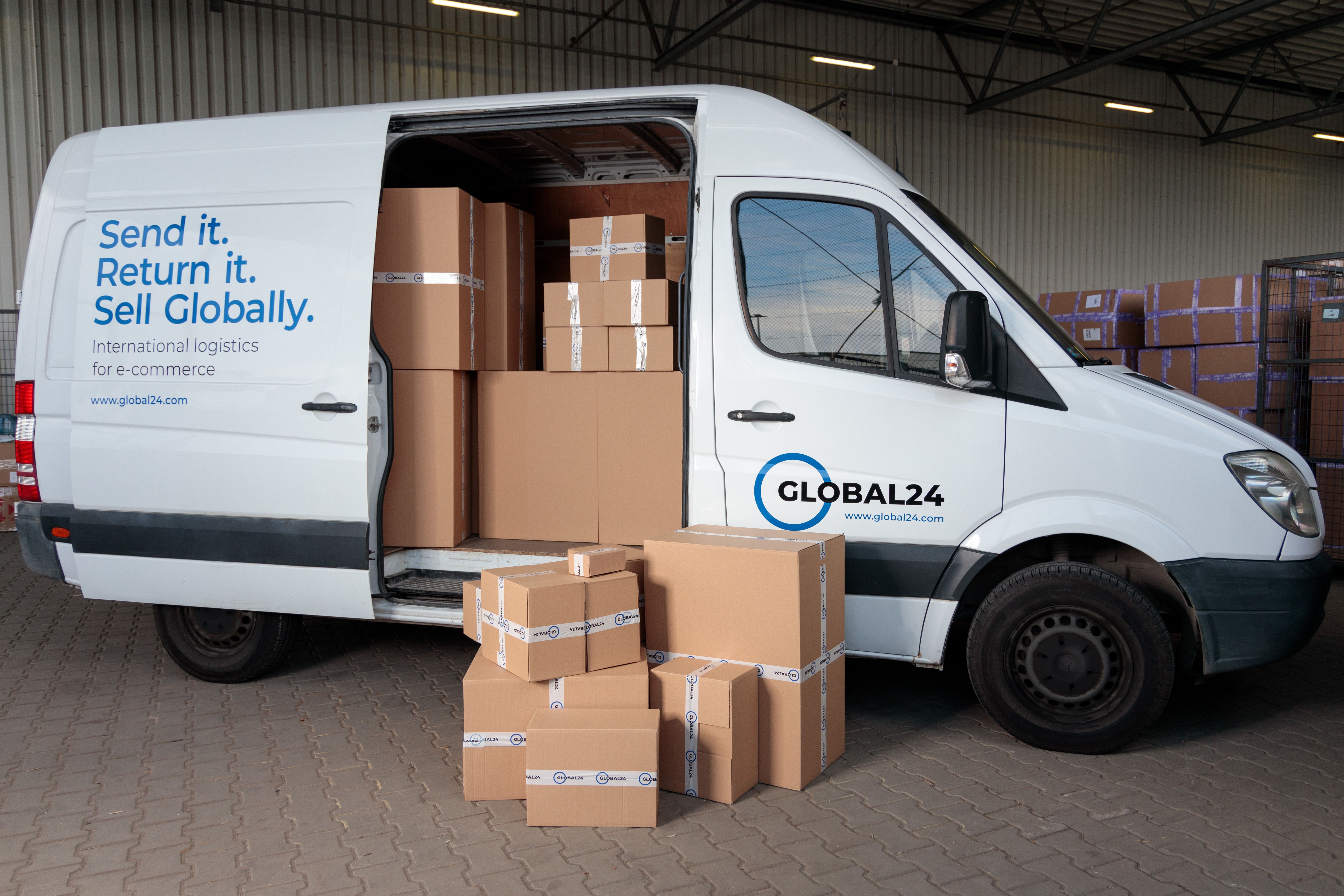
Every large retailer ends up with inventory it cannot sell at full price. Some of it is returned by customers, some never sold, and some gets pulled from shelves to make room for new stock. Rather than throw it away or clog their own stores, retailers hand this merchandise off to the liquidation market, where it is bundled onto pallets and sold in bulk to resellers.
The volume behind this is enormous. The National Retail Federation expects consumers to return nearly $849.9 billion in merchandise in 2025, which works out to 15.8 percent of annual retail sales, according to its 2025 returns research. Online purchases come back at an even higher rate, with the NRF putting return rates for online sales at 19.3 percent in its 2025 retail returns landscape. Not all of that merchandise can go back on a shelf, so a large share flows into the resale channel.
The machinery that moves these goods back through the supply chain is called reverse logistics, and it is a market in its own right. Global Market Insights valued the global reverse logistics market at $872.6 billion in 2025 and projects it will reach $1.75 trillion by 2035. The same report pegs the U.S. portion at $160 billion in 2025. Liquidation pallets are one visible, buyable slice of that flow.
Types of Pallets: Customer Returns, Overstock, and Shelf Pulls
Not all pallets are the same, and knowing which type you are buying tells you a lot about condition and risk before the crate ever arrives.
- Customer returns. Items shipped back by shoppers. Condition varies the most here, from unopened boxes to products that were genuinely defective. Returns pallets are often the cheapest per dollar of retail value, and also the riskiest.
- Overstock. Excess inventory a retailer simply could not sell in time. These items are usually new and in good condition because no customer ever handled them. You pay more, but the guesswork drops.
- Shelf pulls. Products removed from store shelves for reasons unrelated to defects, such as seasonal changeovers, discontinued lines, or packaging updates. Condition is generally good, and prices sit between returns and overstock.
- Salvage. Goods with damaged packaging or cosmetic flaws that still function. Cheap, but you need to be honest about what buyers will accept.
A useful rule for beginners: start with overstock or shelf pulls in a category you already understand. The condition is more predictable, which makes your first few purchases easier to estimate.
How to Read a Manifest and Estimate Resale Value
A manifest is the itemized list of what is on a pallet. A good one shows product names, SKUs, quantities, and the original retail price of each item, and sometimes a condition grade. Manifested pallets cost more than mystery pallets, but the extra you pay buys you the ability to estimate value instead of gamble on it.
Here is a simple way to work through one:
- Total the retail value. Add up the original retail prices listed on the manifest. This is the headline number sellers advertise, and it is not what you will actually earn.
- Apply a realistic recovery rate. Assume you will sell items for a fraction of retail, often 40 to 60 percent for good used or open-box goods, and less for anything worn or generic. Multiply the retail total by your estimated recovery rate.
- Subtract the unsellable share. On returns pallets especially, plan for a portion of items to be broken, incomplete, or not worth listing. Write off a reasonable percentage before you get excited.
- Subtract your costs. Deduct the pallet price, shipping, marketplace fees, and any storage. Shipping alone on a full pallet can run into the hundreds of dollars.
Whatever is left is your estimated profit. If the manifest lists condition grades, take them seriously. Grade A is close to new, Grade B shows light wear or open packaging, and Grade C means expect problems. A pallet priced like a bargain is rarely a bargain if it is full of Grade C returns.
Realistic Profit Margins and Common Beginner Mistakes
The reselling side of this business is riding a real tailwind. ThredUp's 2026 resale report projects the U.S. secondhand apparel market will reach $78.8 billion by 2030, and it found that secondhand grew four times faster than the broader retail clothing market in 2025, per its 14th annual resale report. Demand for discounted and pre-owned goods is not a fad, which is good news for anyone flipping pallet inventory.
That said, margins are earned, not guaranteed. On a well-chosen pallet, gross margins commonly land in the 30 to 50 percent range after you account for shipping, fees, and the items you cannot sell. Claims of turning a $300 pallet into $3,000 exist, but they are the exception, not the plan you should budget around.
The mistakes that quietly erase those margins are predictable:
- Ignoring shipping and fees. A pallet that looks cheap can become a loss once freight and marketplace commissions are added in. Always price the total landed cost, not the sticker.
- Starting too big. Buying a full truckload before you understand a category is the fastest way to end up with a garage of unsellable stock. One pallet at a time teaches you more, safer.
- Skipping the manifest math. Buying on gut feel instead of running the numbers above. The manifest is there to protect you.
- No selling plan. Purchasing before you know where the items will go. Line up your channel first: eBay and Amazon for higher-value goods, Facebook Marketplace and local flea markets for bulky or low-cost items.
- Underestimating fraud and defects. Returns are not always clean. The NRF reports that 9 percent of retail returns are fraudulent, and some of that damaged or swapped merchandise ends up in the return stream you are buying from.
Track your results per pallet. After a few purchases you will know your true recovery rate and which categories actually pay, which is worth more than any general rule of thumb.
How Wholesale-palletliquidators Sources Verified Pallets
Where you buy matters as much as what you buy. The risk in this business concentrates at the point of purchase, because a mislabeled lot or an inflated manifest can turn a careful estimate into a loss. Buying from a sourcing partner that stands behind its inventory removes a large part of that guesswork.
Wholesale-palletliquidators works with pallets tied to verified retail sources and provides manifest information so you can run the numbers before you commit rather than after the crate arrives. For a beginner, that transparency is the difference between an informed purchase and a mystery box. It lets you apply the manifest math from earlier in this guide to real, checkable data, and it narrows the gap between your estimate and your actual return.
Sourcing from a verified supplier does not replace your own diligence. You still read the manifest, you still start small, and you still track your margins. What it does is give you a cleaner starting point, so the effort you put into sorting and selling is not wasted on a pallet that was never going to add up.
Your concrete next step is small on purpose: pick one product category you already understand, find a single manifested pallet in that category, and work through the four-step manifest math above before you buy. One well-analyzed pallet will teach you more about this business than a dozen impulse purchases, and it keeps your first mistake cheap.
Frequently asked questions
How much does a liquidation pallet cost?
Prices range widely, from around $100 for a small mixed returns pallet to several thousand dollars for a manifested pallet of electronics or appliances. Category, condition grade, and whether the lot is manifested all affect price.
Are liquidation pallets worth it for beginners?
They can be, but only if you start small, read the manifest carefully, and have a selling channel ready. Buying a single manifested pallet in a familiar category is far safer than committing to a full truckload.
What is the difference between manifested and unmanifested pallets?
A manifested pallet comes with an itemized list of contents and retail values, which lets you estimate resale value in advance. An unmanifested or mystery pallet is cheaper but you do not know what you are getting until it arrives.
Where can I resell items from a liquidation pallet?
Common channels include eBay, Facebook Marketplace, Amazon, local flea markets, and your own online store. Higher-value items usually do best on eBay or Amazon, while bulky or low-cost goods often move faster locally.