The week after a holiday is when a lot of toy sellers feel the squeeze. Returns spike, shelves get reset, and perfectly sellable branded toys suddenly become “problem inventory” for big retailers. That’s the moment liquidation exists for – and it’s why resellers keep coming back to wholesale toy liquidation pallets.
If you’re trying to grow a toy reselling business (or add toys as a reliable side category), liquidation pallets can be the fastest way to put real volume on the shelf without paying retail. The trade-off is that you’re buying inventory in bulk, often mixed, and you need a plan to sort, test, and price it quickly.
What wholesale toy liquidation pallets actually are
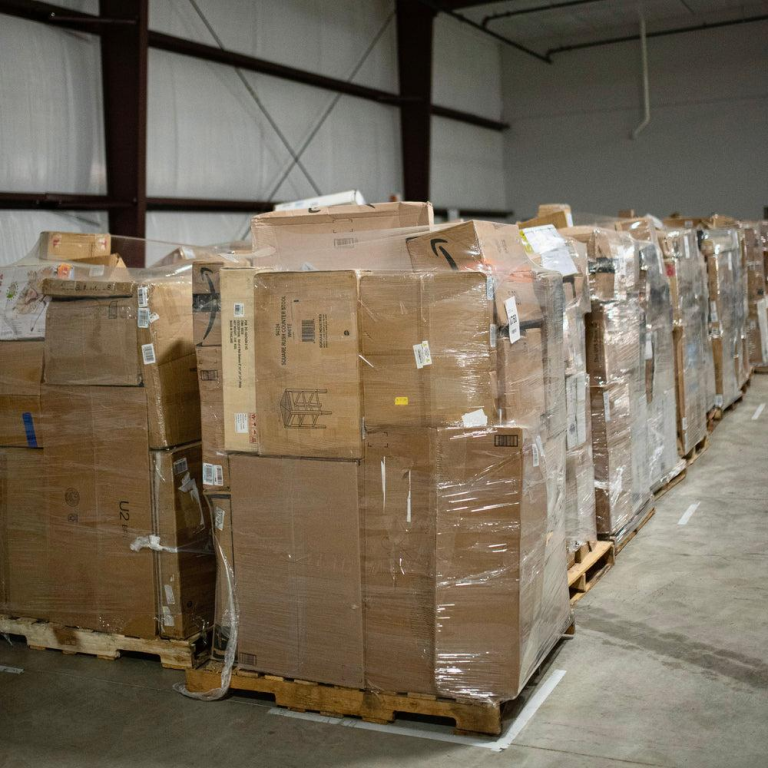
Wholesale toy liquidation pallets are bulk lots of toys and toy-related products sold below traditional wholesale pricing because a retailer or distributor needs to clear space. These pallets can come from overstock, shelf pulls, customer returns, packaging changes, or seasonal resets.
“Liquidation” doesn’t automatically mean “broken.” It usually means the original seller has a reason they can’t keep the product in their normal sales channel. For resellers, that creates a margin opportunity, especially when you’re willing to do the work a big box store won’t.
The most important thing to understand is that pallets vary by condition and consistency. Some are tighter and more uniform (great for predictable pricing). Others are mixed and unpredictable (great for treasure-hunt margins, but harder for beginners).
What you’ll typically find inside toy pallets
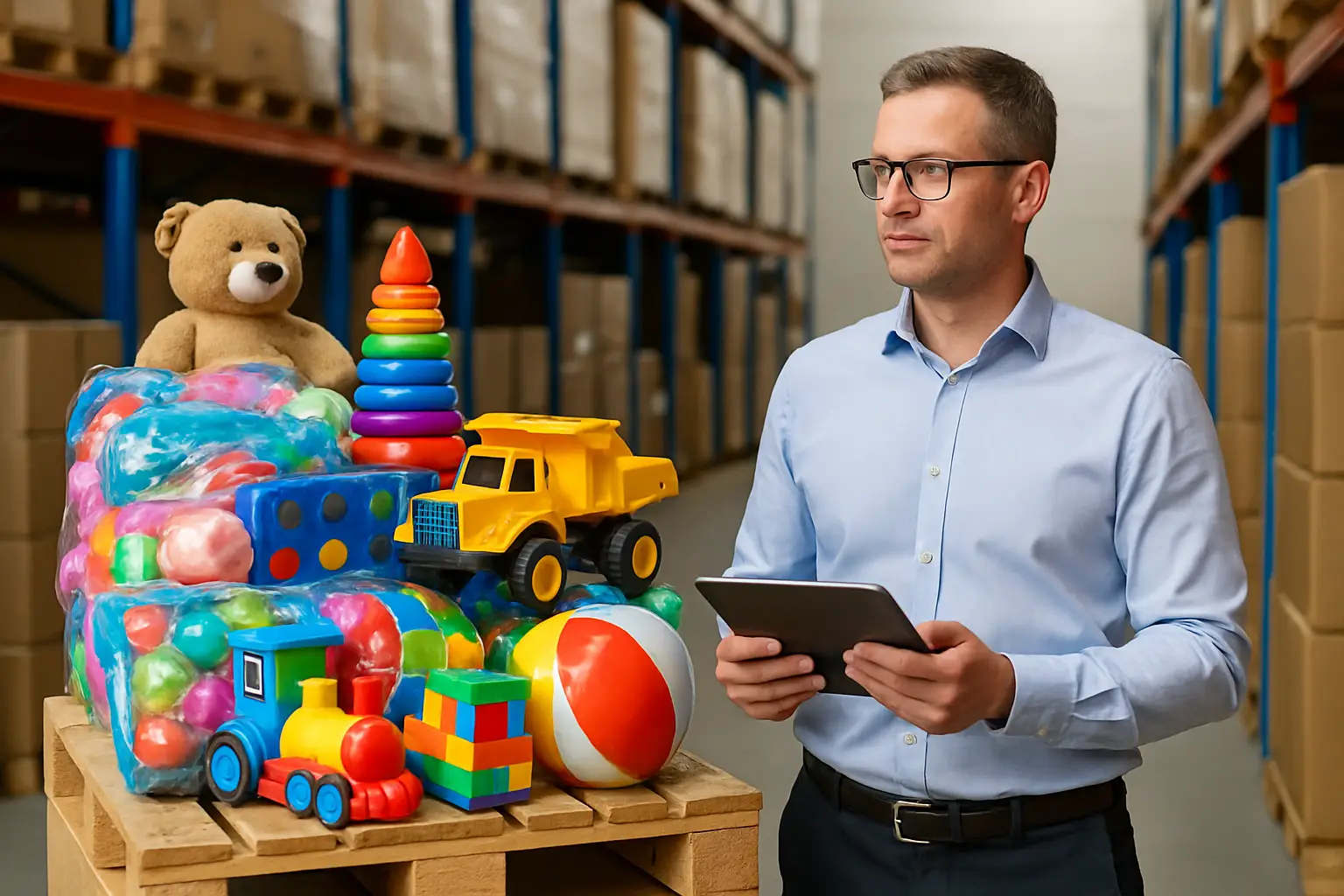
Toy pallets tend to fall into a few broad groups. Some are category-specific (dolls, action figures, learning toys). Some are mixed pallets that might include games, plush, arts and crafts, and accessories.
A lot of buyers are surprised by how much “toy adjacent” inventory shows up. Think party favors, collectible items, kids’ accessories, novelty gifts, or seasonal add-ons. Those pieces can be your fast movers because they’re easy to list online and easy to bundle.
Condition is where your profit is made or lost. Many pallets are labeled by general condition bands (new, like new, open box, returns, salvage). Even within a single pallet, you can expect variation. That’s normal. The key is building a pricing model that assumes you’ll have a mix of perfect items, “good enough” items, and a small percentage you’ll part out, bundle, or liquidate again.
Why toys are a strong liquidation category (and when they aren’t)
Toys have a few advantages for resellers.
First, they’re evergreen with seasonal spikes. Birthdays don’t stop, and Q4 demand can be enormous. Second, many toys have strong brand recognition, which makes them easier to sell quickly if you price them right. Third, toys are usually lightweight compared to tools or home goods, so shipping to customers can be more forgiving.
The downside is that toys are also picky. Missing pieces, damaged packaging, and safety concerns matter more than in some other categories. And if you sell on marketplaces, you need to pay attention to brand restrictions, age grading, and whether an item is classified as collectible versus a standard toy.
If you want a category that rewards organization and speed, toys are a great fit. If you want “set it and forget it” inventory, they can be frustrating.
Picking the right pallet: your margin starts here
Before you buy, decide what kind of toy reseller you are right now, not what you might be later.
If you’re newer, you’ll usually do better with pallets that are closer to retail-ready. Fewer variables means faster turnaround, and speed is what keeps your cash moving. If you’re experienced and have a system for testing, sorting, and listing, mixed returns can deliver bigger ROI – but only if you don’t drown in labor.
You also want to be honest about your selling channels. If you primarily sell locally (flea markets, swap meets, a small storefront), mixed pallets can be perfect because you can move items without photographing and listing every single unit. If you mainly sell online, you may prefer tighter assortments where you can batch list, replenish the same SKUs, and keep customer expectations consistent.
A practical way to think about it is: the more chaotic the pallet, the more you’re getting paid in “margin” for doing extra work.
How to inspect, sort, and protect your profits
The first hour after delivery matters. The goal is to avoid a slow bleed where product sits unsorted and your money gets stuck.
Start by separating inventory into three piles: sellable as-is, sellable with notes (open box, damaged packaging, minor wear), and hold for parts/bundle/secondary liquidation. That keeps you from wasting time trying to “fix” everything.
For toys, quick checks should include sealing condition, missing parts, and obvious safety issues (sharp edges, broken battery compartments, cracked plastic). If something requires a full rebuild to verify completeness, it’s usually better to bundle it as “open box” or sell it in a lot, unless you know it’s a high-dollar item.
Testing can be simple. Battery-operated toys: confirm power and basic function. Electronic learning toys: check the main buttons and sound. Board games: look for sealed bags or a clear indicator of completeness. Plush: check for stains and odors.
Then get your pricing decision made fast. A lot of resellers lose money by overthinking. Your goal is not to “win” on every unit. Your goal is to clear the pallet at a healthy overall margin.
Pricing liquidation toys: a model that works
Your pricing strategy depends on condition and channel, but a strong baseline is to price for speed, then adjust up on the best items.
For retail-ready items, you can often price at a competitive discount versus current online listings and still do well because your buy cost is so low. For open-box or damaged packaging items, price them like a deal shopper would expect – low enough that condition is forgiven.
Bundles are your secret weapon. Many pallets include small-ticket items that aren’t worth individual listing time. Bundle by theme (arts and crafts set), age range (toddler bundle), or brand (character bundle). Bundles turn low ASP inventory into real dollars per transaction and reduce your workload.
A key “it depends” scenario: collectibles and trading-card type items. Those can be high margin, but they’re also condition-sensitive and more likely to attract picky buyers. If you don’t want returns headaches, keep collectibles as local cash sales or be extremely clear in your listings.
Where resellers make mistakes with wholesale toy liquidation pallets
Most bad pallet experiences come from mismatched expectations, not from liquidation itself.
One mistake is assuming every unit should be sellable as new. Another is forgetting labor. If you’re buying a pallet because it’s cheap, but it takes you weeks to process, your real cost is higher than you think.
Another common miss is ignoring packaging. In toys, packaging can be half the value. If your channel depends on gift buyers, damaged boxes will slow sales. If your channel is bargain hunters, damaged packaging is a non-issue if the price is right.
Finally, don’t skip compliance and safety. If something feels questionable, don’t sell it. Your reputation is worth more than one unit.
Getting consistent supply without gambling
Consistency is what turns a side hustle into a real business. Once you know what sells for you, you want a supplier that can keep you stocked at a price point that still leaves room for profit.
That’s why many resellers move from random one-off buys to repeat ordering from a liquidation partner that understands reseller needs – clear listing info, straightforward purchasing, secured payments, and shipping that doesn’t take forever.
If you want to browse toy inventory alongside other fast-moving categories, you can check Wholesale Pallet Liquidators for pre-built pallets and larger bulk options. The goal isn’t to “try a pallet.” The goal is to build a repeatable pipeline where each load teaches you what to buy next.
A simple plan for your first toy pallet
Your first pallet doesn’t need to be perfect. It needs to be manageable.
Pick a pallet type that matches your channel, set a processing schedule for the first 48 hours, and decide in advance how you’ll handle the bottom 10 to 20 percent of items. If you already know you’ll bundle them, lot them out, or send them back into liquidation, you won’t get stuck.
The resellers who win with toys aren’t the ones who guess the “best” pallet. They’re the ones who keep inventory moving, protect their cash flow, and get a little faster with every load.
Closing thought: treat each pallet like a system test – improve one step (sorting speed, listing templates, bundle strategy), and your profits will start compounding without you chasing riskier buys.
OUR AVAILABLE PALLETS
Bulk Accessories Pallets For Sales | Wholesale Mixed Accessories
Bulk Accessories Pallets For Sales | Wholesale Mixed Accessories
Funko Pop Pallets | Wholesale Collectible Vinyl Figures
Cheap Wholesale Video Game Pallets
EarPods Pallets Wholesale – Bulk Deals for Resellers
General Merchandise Pallets Wholesale
Wholesale Hunting & Fishing Gear Pallets
Liquidation Power Tool Pallets
Makeup and Beauty Pallets Wholesale
Mixed Electronics Pallet Wholesale
Pokémon Card Pallets Wholesale | Sealed Pokémon TCG Pallets
Sports Card Pallet Wholesale Premium Bulk Trading Cards
Stanley Cups Pallet | Bulk Insulated Tumblers for Resale
Detergent Pallets Wholesale | Bulk Laundry Supplies
Wholesale Kitchen Appliances Pallet