10 Most Profitable Product Categories in Liquidation (Ranked by Someone Who’s Opened Way Too Many Pallets)
Let’s be honest: somewhere between doomscrolling and wondering if your 9-to-5 will ever pay for a beach house, you’ve thought about “flipping pallets.” Maybe a TikTok showed a guy elbow-deep in a box of returned blenders, screaming “IT’S A KITCHENAID, BABY!” like he’d found buried treasure. He kind of had.
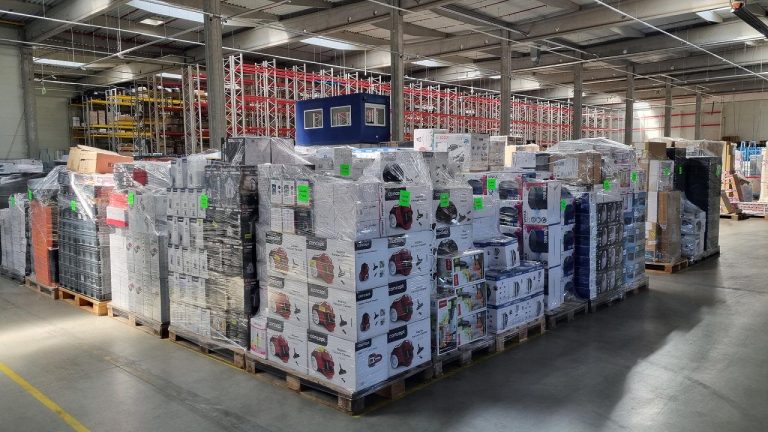
That’s the magic — and the mild chaos — of the liquidation business. Big retailers return, overstock, or mis-ship a mountain of perfectly good merchandise every single day, and instead of setting it on fire (please, retailers, stop threatening this), they sell it off in bulk to people like you. People with a garage, a dream, and a suspicious number of cardboard boxes already in the house.
But not all pallets are created equal. Buy the wrong category and you’ll spend six months trying to convince strangers on Facebook Marketplace that a lightly-scuffed panini press is “basically new.” Buy the right category, and you’re the person explaining to your accountant why your side hustle now outearns your actual job.
So, in the spirit of saving you from a garage full of unsellable rice cookers, here are the 10 Most Profitable Product Categories in Liquidation — the categories that flip fast, sell for real money, and don’t make your neighbors quietly reconsider the friendship.
Grab a coffee (or a Stanley cup, we’ll get to those). Let’s rank them.
Why Category Choice Is Basically Everything in the Liquidation Pallets Business
Before we dive into the list, a quick reality check dressed up as wisdom: profitability in the liquidation pallets world isn’t about buying the cheapest pallet. It’s about buying the pallet that other humans actually want to give you money for.
A $300 pallet of mystery gadgets nobody recognizes is not a deal — it’s a landfill subscription. A $300 pallet of something with a rabid, built-in fanbase (looking at you, trading cards) is a small business. The categories below made the list because they consistently check three boxes:
- High resale demand — people are actively searching for it online right now.
- Fast turnover — you’re not waiting eight months for a buyer.
- Decent margins — the flip is worth more than the gas money to the post office.
With that out of the way, let’s count down the categories turning garages into genuine (if slightly cluttered) revenue streams.
1. Trading Cards & Collectible Card Games — The Undisputed Heavyweight Champion
If liquidation categories had a Mount Rushmore, trading cards would be the whole mountain. Grown adults are out here spending rent money on cardboard rectangles with pictures of monsters, athletes, and one suspiciously smug Charizard. This is not a fad. This is a religion with a secondary market.
The Pokémon Card Pallets Wholesale | Sealed Pokémon TCG Pallets sit at the top of the pile (literally and financially) because sealed Pokémon product routinely resells for multiples of its wholesale cost, especially with vintage or limited sets. Yes, it’s a bigger investment upfront, but so is a used car, and this doesn’t need an oil change.
Not a Pokémon household? No worries — the Wholesale Magic The Gathering Cards Pallet taps into a different, equally obsessive fanbase of players who will absolutely pay top dollar for the right rare pull.
And if you want steady, dependable flipping without the “will this box contain a $10,000 card” adrenaline spike, the Sports Card Pallet Wholesale Premium Bulk Trading Cards and the Sports Card Pallets Wholesale – Sealed Trading Cards give you reliable resale via card shops, sports memorabilia collectors, and eBay’s ever-hungry marketplace.
Why it’s profitable: built-in collector demand, easy shipping (they’re small!), and buyers who research prices obsessively before you even list the item — meaning less convincing, more selling.
2. Designer Toys & Collectible Figures — Where Adults Buy “Toys” and Call It an Investment
Somewhere along the way, action figures graduated from “kids’ stuff” to “adult collector arms race,” and the liquidation pallet business happily cashed the check.
The Labubu Mystery Figure Pallets have exploded in popularity thanks to the blind-box craze — people will buy multiples just to chase a rare variant, which is basically gambling with better packaging. Meanwhile, the Funko Pop Pallets | Wholesale Collectible Vinyl Figures remain a reliable evergreen category; there’s a Funko Pop for every fandom, and fandoms don’t quit.
Then there’s the Hot Wheels Pallet For Sale, which prove that nostalgia never truly dies — it just gets a resale markup. Vintage and rare castings turn a $2 toy car into a genuine collector’s item.
Why it’s profitable: blind-box hype drives repeat purchases, collector communities are huge and active online, and shipping costs stay low since these items are small and light.
3. Building Toys & Kids’ Toys — Because Parents Will Pay Almost Anything for Quiet
There is no force on Earth more motivated than a parent trying to survive a rainy Saturday. Enter building toys and general toy pallets — the silent income generator of the liquidation world.
The LEGO Pallet Wholesale deserves its own paragraph of respect. LEGO holds resale value like nothing else in the toy aisle — retired sets can resell for two or three times original retail. It is, quite literally, plastic gold for people who know their sets.
For broader appeal (and faster turnover on lower price points), the Wholesale Mixed Toy Pallets give you variety — action figures, dolls, puzzles, the works — perfect for flea markets, yard sales, and online toy bundles that parents snap up before birthday season.
Why it’s profitable: year-round demand (holidays, birthdays, bribery), strong resale value on name brands, and a buyer base that includes literally every household with children.
4. Video Games & Consoles — The Category That Never Goes Out of Style (Unlike Your Wii)
Gamers are loyal, gamers are plentiful, and gamers will absolutely pay a premium for a game they thought was lost to time. The Cheap Wholesale Video Game Pallets consistently rank among the more profitable liquidation categories because physical games, controllers, and accessories hold surprisingly strong resale value — especially anything retro, sealed, or console-specific.
Even “just okay” titles sell in bundles on marketplaces like eBay and Facebook Marketplace, and dedicated retro gaming shops will often buy in bulk directly from you, skipping the individual-listing grind entirely.
Why it’s profitable: a passionate resale community, retro nostalgia pricing, and multiple sales channels (online marketplaces, local game stores, gaming conventions).
5. Consumer Electronics & Audio — Small Items, Big Margins
Electronics are the crown jewel of general liquidation because they combine high perceived value with (often) low actual cost per unit — assuming you buy smart.
The EarPods Pallets Wholesale – Bulk Deals for Resellers are a personal favorite in this category: everyone loses earbuds constantly (it’s basically a national pastime), which means demand never dips. They’re small, cheap to ship, and sell briskly at flea markets, kiosks, and online.
For a broader electronics play, the Mixed Electronics Pallet Wholesale bundles a variety of gadgets and accessories, giving resellers flexibility to bundle, split, or sell as-is depending on what turns up.
Why it’s profitable: high demand-to-size ratio, low shipping costs, and a resale market that spans everywhere from Amazon to your cousin’s group chat.
6. Power Tools & Hardware — The Category Contractors Secretly Love
Here’s a fun truth about power tools: they’re the one liquidation category where the buyer isn’t just looking for a bargain, they’re looking for a work tool, which means they’re often willing to pay closer to real market value — especially for name-brand items.
The Liquidation Power Tool Pallets are consistently one of the higher price-point pallets on the market, and for good reason — contractors, DIYers, and small repair shops treat these as functional purchases, not impulse buys. That means less haggling and more “just tell me the price.”
Why it’s profitable: strong brand-name demand, buyers motivated by utility (not just novelty), and a resale audience that includes both individuals and small trade businesses.
7. Kitchen Appliances & Home Goods — Because Everyone Needs a Blender Eventually
Kitchen appliances are the reliable, unglamorous workhorse of the liquidation world. Nobody’s making a viral video about their new toaster (well, mostly), but everyone eventually needs one, which keeps demand steady all year round.
The Wholesale Kitchen Appliances Pallet is a great entry point here — air fryers, blenders, coffee makers, and small kitchen gadgets that resell easily through local marketplaces, garage sales, or discount storefronts. These items sell themselves because, frankly, everyone’s current blender is one smoothie away from death.
Why it’s profitable: universal, non-seasonal demand and a resale audience that includes literally every household in America.
8. Beauty & Personal Care — High Value, High Turnover, Zero Shame
Beauty products are a liquidation sleeper hit. Cosmetics and skincare have shockingly high retail markups, which means even discounted liquidation stock can resell close to (or above) what you’d expect — especially name-brand items.
The Makeup and Beauty Pallets Wholesale cater to a resale market that includes beauty supply stores, online sellers, and beauty-obsessed customers who will absolutely buy a $40 palette for $15 without blinking.
Why it’s profitable: high original retail markups, strong impulse-buy behavior, and a resale channel that spans everything from Instagram shops to local beauty supply stores.
9. Outdoor, Lifestyle & Everyday Carry Gear — The “Everyone Suddenly Needs This” Category
This category is a two-for-one deal that proves liquidation profitability isn’t just about niche hobbies — sometimes it’s about what’s trending in everyday life.
The Wholesale Hunting & Fishing Gear Pallets tap into a dedicated, higher-spending outdoor community that treats gear purchases as investments, not impulse buys — meaning better margins and repeat customers.
Then there’s the Stanley Cups Pallet | Bulk Insulated Tumblers for Resale, which became a genuine cultural phenomenon (yes, an insulated cup went viral — we live in interesting times). Demand for these tumblers has stayed remarkably strong, and resellers who caught on early turned a simple water bottle into a legitimate side income.
Why it’s profitable: trend-driven demand plus dedicated hobbyist spending, giving you both viral flips and steady niche sales.
10. Household Essentials & General Merchandise — The Unsung, Unsexy Cash Cow
Last but absolutely not least: the category that doesn’t trend on social media but quietly keeps liquidation resellers in business — everyday essentials and general merchandise.
The Detergent Pallets Wholesale | Bulk Laundry Supplies are a fantastic low-risk category. Laundry detergent doesn’t expire the way food does, it’s needed by literally every household, and it moves fast at flea markets, discount stores, and even neighborhood group sales.
For variety and volume, the General Merchandise Pallets Wholesale give resellers a mixed bag of everyday items perfect for bulk-lot sales, and the Bulk Accessories Pallets For Sales | Wholesale Mixed Accessories round things out with small, high-margin items like jewelry, phone cases, and everyday add-ons that upsell beautifully at checkout tables and online storefronts alike.
Why it’s profitable: universal need, low spoilage risk, and a customer base that includes literally everyone who has ever needed to buy anything, ever.
Quick Reference: The 10 Most Profitable Product Categories in Liquidation
For the skimmers among us (no judgment, we respect efficiency), here’s the cheat sheet:
- Trading Cards & Collectible Card Games
- Designer Toys & Collectible Figures
- Building Toys & Kids’ Toys
- Video Games & Consoles
- Consumer Electronics & Audio
- Power Tools & Hardware
- Kitchen Appliances & Home Goods
- Beauty & Personal Care
- Outdoor & Lifestyle Gear
- Household Essentials & General Merchandise
Each of these categories shows up regularly in wholesale liquidation pallets marketplaces because they combine strong resale demand with manageable shipping, storage, and turnover costs — the holy trinity of a profitable liquidation pallet business.
How to Actually Pick a Profitable Liquidation Pallet (Not Just a Cheap One)
Ranking categories is fun, but here’s the part where we get slightly responsible for a paragraph:
- Research resale prices before you buy. Five minutes on eBay’s “sold listings” filter can save you from a very expensive mistake.
- Start small. Your first pallet should teach you the ropes, not fund your retirement — yet.
- Know your selling channels. Cards go to collectors and card shops. Kitchen appliances go to local marketplaces. Match the category to where you’ll actually sell it.
- Factor in shipping and storage. A $750 power tool pallet is profitable. A $750 pallet of oversized furniture that lives in your hallway for four months is a lifestyle choice.
- Buy from a source that shows you what you’re getting. Reputable wholesale liquidation pallets marketplaces list categories clearly (electronics, toys, cards, tools, etc.) instead of hiding everything behind “mystery box” branding.
Frequently Asked Questions About Profitable Liquidation Categories
What is the most profitable liquidation category overall? Trading cards and sealed collectible products (Pokémon, sports cards, Magic: The Gathering) consistently rank among the highest-margin categories because of strong collector demand and a highly active resale market.
Are liquidation pallets actually profitable for beginners? Yes, especially in categories with low shipping costs and universal demand — think small electronics, trading cards, or general merchandise. Starting with a lower-cost pallet (around $300–$400) is a smart way to learn before scaling up.
How do I know which liquidation category will sell fastest? Categories with broad, non-seasonal demand — like kitchen appliances, household essentials, and toys — tend to move quickly because almost everyone is a potential buyer.
Where can I buy liquidation pallets by category? You can browse pallets organized by category — including electronics, toys, trading cards, tools, and household goods — through dedicated wholesale liquidation pallets marketplaces that specialize in sourcing directly from major retailers.
The Bottom Line
The 10 Most Profitable Product Categories in Liquidation aren’t random — they’re the categories where genuine consumer demand meets manageable resale logistics. Trading cards and collectible figures bring in the biggest margins for collectors and hobbyists. Electronics, tools, and appliances offer steady, dependable turnover. And everyday essentials quietly keep the whole liquidation pallets business afloat, one detergent bottle at a time.
Whether you’re chasing the thrill of a rare Pokémon pull or the calm reliability of flipping kitchen appliances, the key is matching the category to your budget, your storage space, and your patience for cardboard. Do that, and your garage stops being a graveyard of good intentions and starts being a genuinely profitable pallet flipping operation — one very full pallet at a time.