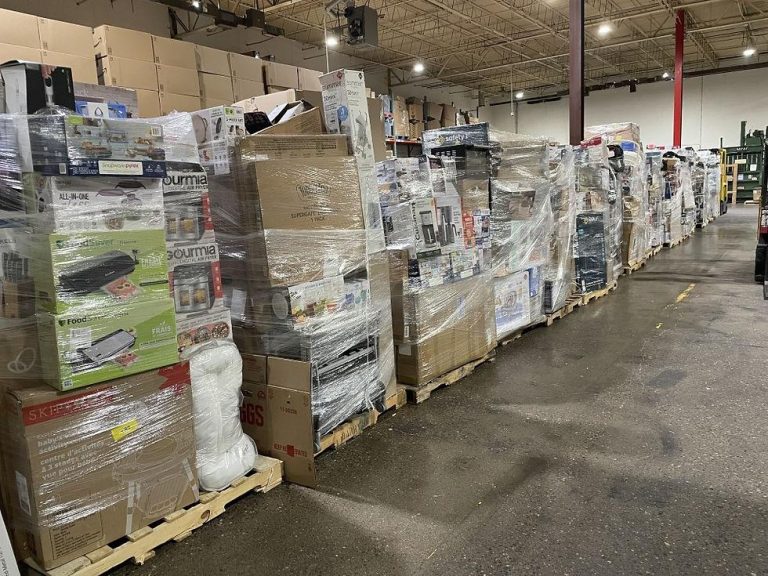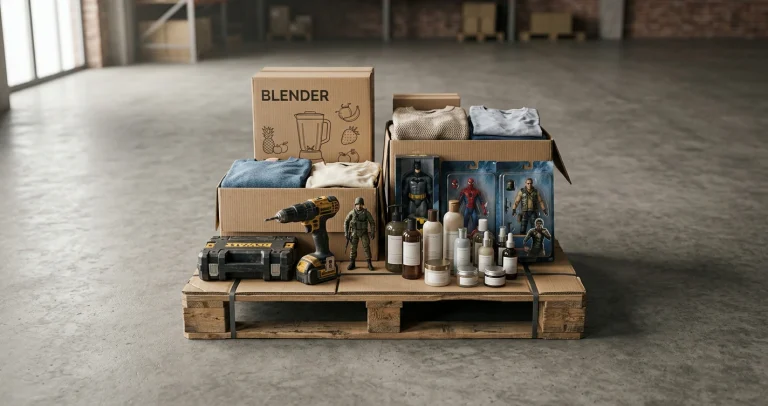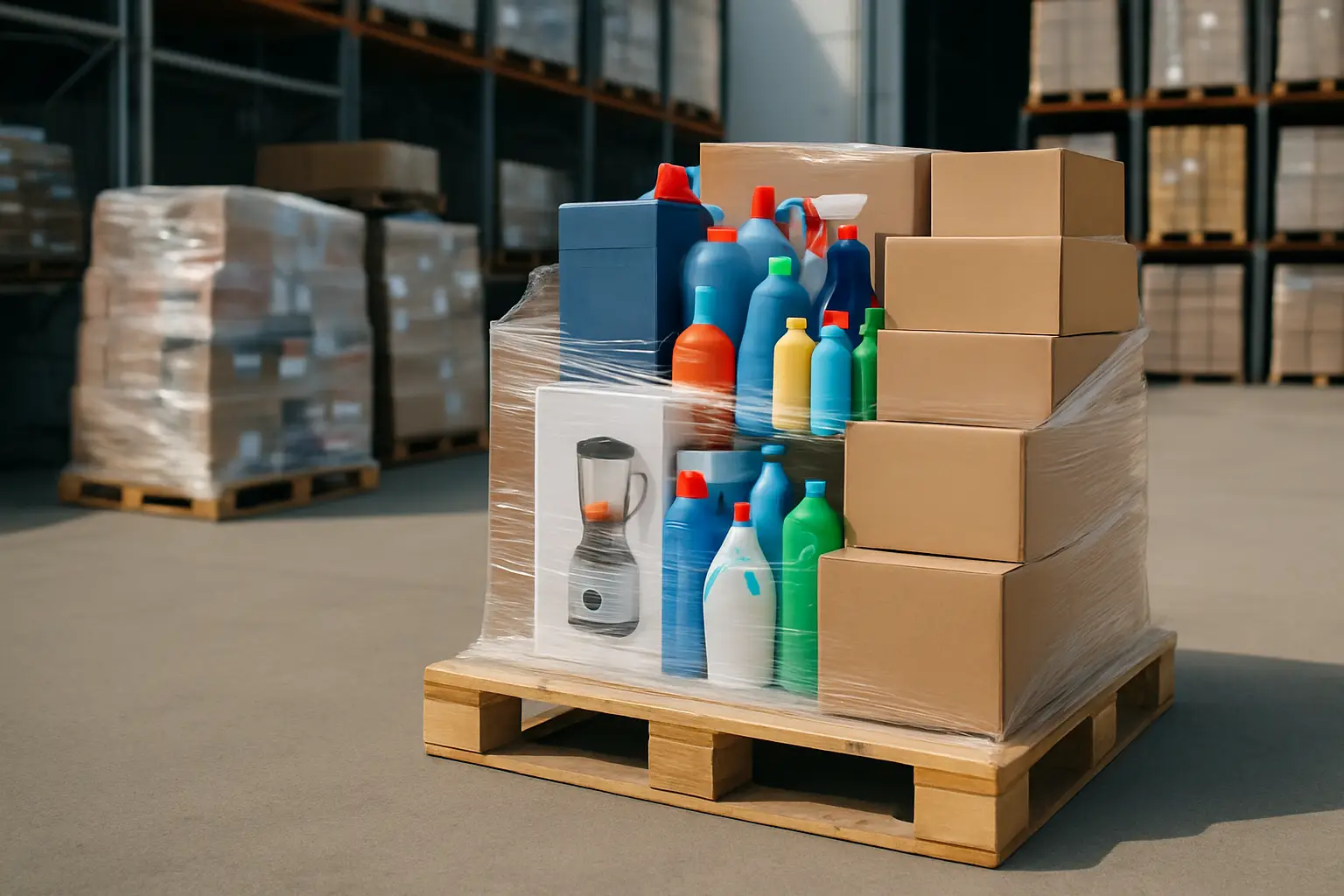
If you have cash ready and a place to put a pallet, the only real question is this: will the inventory turn fast enough to pay you back – and leave margin.
That is why “where to buy wholesale pallets” is not just about finding a seller. It is about finding a supply channel you can repeat, predict, and scale. Below is a reseller-first breakdown of the best places to buy pallets, what to watch for in each channel, and how to choose based on your business model.
Where to buy wholesale pallets: the main channels
There are a handful of sources that consistently show up in reseller circles. Each one comes with a different mix of price, risk, and convenience.
1) Liquidation e-commerce storefronts (fastest start, easiest repeat)
If your goal is to start buying this week without negotiating contracts or chasing down warehouse contacts, liquidation storefronts are usually the cleanest entry point. You browse available pallets by category, see a price, and check out.
The upside is speed and variety. You can grab mixed general merchandise, or narrow down into categories like tools, beauty, toys, home goods, and electronics depending on what you already sell. Many resellers also like that they can test a category with one pallet before committing to truckloads.
The trade-off is that you need to read listings like your profit depends on it – because it does. Some pallets are returns-heavy, some are shelf-pulls, and some are overstock. Condition, manifests, and category mix can swing your outcomes.
If you want a direct-to-reseller option built around repeat purchasing, pre-built pallets across major categories, secured payment methods, and fast shipping, you can browse Wholesale Pallet Liquidators and choose pallets that match your turnaround and sales channels.
2) Local liquidation warehouses (best for inspection, uneven availability)
Local warehouses can be a strong option when you want to see pallets in person, reduce shipping costs, or pick up same day. For many brick-and-mortar resellers, this channel is attractive because you can sometimes visually confirm whether a pallet is clean overstock or a rougher returns mix.
The downside is consistency. Inventory can be hit-or-miss week to week, and pricing can change fast depending on who else is buying. Some warehouses are great for building relationships and getting first pick. Others are essentially a free-for-all.
If you go this route, ask simple, direct questions: What retailer is the product from? Is it customer returns or shelf-pulls? Are pallets sorted by condition grade? Can you see a sample manifest? A straight answer saves you a lot of “mystery pallet” regret.
3) Retail and government auctions (high upside, higher learning curve)
Auctions can produce great buys, especially if you know your categories and you are disciplined about your max bid. You might find lots from store closures, freight claims, unclaimed shipments, or surplus.
But auctions are where beginners often pay the “tuition.” Photos can be limited, product descriptions can be vague, and you may be responsible for pickup deadlines, loadout rules, and unexpected fees. It is also easy to get caught in bidding emotion and wipe out your margin before the pallet ever hits your warehouse.
Auctions can be worth it if you have time to research, you can handle logistics, and you know your resale channels well enough to price quickly.
4) Freight and carrier claim sales (cheap inventory, unpredictable condition)
Some pallets exist because something went wrong in transit. When that happens, inventory can end up sold as salvage or claim lots. The pricing can look amazing, but the condition risk is real.
If your business can handle parts, repairs, or “as-is” disclosure (especially in electronics and tools), this can work. If you rely on fast, clean listings and low return rates, be careful. One damaged-in-transit pallet can turn into hours of testing, customer messages, and refunds.
5) Direct-from-manufacturer or distributor overstock (stable supply, harder access)
This is the channel many resellers want because it can bring consistency. Manufacturers and distributors sometimes liquidate overstocks, packaging changes, or discontinued lines.
The catch is that it is rarely plug-and-play. You may need minimum order quantities, business credentials, and patience. For small to mid-sized resellers, this route becomes more realistic after you can prove you buy regularly and pay reliably.
If you are already moving volume, it is worth pursuing. If you are still testing categories, liquidation pallets are often the more flexible on-ramp.
What to look for before you buy any pallet
Two pallets can cost the same and perform totally differently. The difference is usually hidden in the details buyers skip.
Condition and return mix
A pallet of shelf-pulls and overstock typically lists and sells faster than heavy customer returns. Returns can still be profitable, but your labor goes up: testing, cleaning, repackaging, and managing defects.
Match the condition to your operation. If you have limited time and want quick flips, lean toward new/overstock. If you have systems for refurbishment, returns can be a margin play.
Manifest quality and category clarity
Manifests are not perfect, but they help you plan. When a listing tells you brand, product types, quantities, and MSRP expectations, you can map a resale plan before you click “buy.”
Category clarity matters just as much. “General merchandise” can be great if you sell locally or on multiple marketplaces. But if your store is niche, a category-specific pallet usually protects your turn time.
Pricing that leaves room for real costs
The pallet price is only the start. Your true cost includes shipping, supplies, marketplace fees, labor, storage, and loss from unsellables.
A simple way to stay safe: assume not everything sells, and not everything sells at the price you want. Build a margin that can absorb reality. If the numbers only work in a perfect scenario, it is not a deal – it is a gamble.
Shipping and logistics you can actually handle
Pallet freight is not complicated, but it is easy to underestimate. Make sure you have a delivery plan: commercial address vs residential, liftgate needs, appointment requirements, and where the pallet will sit once it arrives.
If you are scaling into truckloads, confirm dock access, unloading equipment, and how quickly you can break down and process inventory. The best-priced load is not a win if it jams your workspace for three weeks.
Choosing the right source based on your resale model
Your best source depends on how you sell.
If you sell mostly online (Amazon, eBay, Walmart Marketplace), you usually want consistency and faster-to-list goods. Category-specific pallets can reduce sorting time and make your storefront look more focused. You will also care about brand recognition and condition to keep return rates down.
If you sell locally (flea markets, bin stores, discount shops), mixed general merchandise can work well because variety drives foot traffic and impulse buys. In local resale, “weird but useful” items can still make money, even if they are harder to list online.
If you are a side-hustle reseller with limited time, the best channel is often the one that removes friction: clear listings, straightforward checkout, and reliable shipping. Paying slightly more for cleaner product can be cheaper than losing weekends to testing and troubleshooting.
If you are scaling to volume, repeatability is everything. You want a supplier relationship you can build on, with inventory flow you can plan around and payment options that fit larger orders.
Red flags that cost resellers money
In a category like liquidation, trust is earned. If you spot these red flags, pause.
If a seller refuses to explain condition, uses only vague language (“great stuff,” “high value”), or avoids basic questions about what you are buying, assume you are buying problems.
If photos look like stock images instead of the actual pallet, be cautious. The more generic the listing, the more you should protect yourself with conservative pricing assumptions.
If the deal depends on you paying in a way that gives you no protection, step back. Serious suppliers offer secured payment methods and clear ordering steps.
How to make your first pallet a smart buy
Your first pallet is not where you swing for maximum profit. It is where you build a repeatable process.
Pick a category you already understand or already sell. Familiarity speeds up sorting and pricing, and it helps you spot the “good” items quickly.
Start with a pallet size you can process within a week. Inventory that sits unprocessed is basically money you cannot use. A smaller win that flips fast beats a huge pallet that overwhelms you.
Plan your sales channels before the pallet arrives. Know what you will list online, what you will bundle, and what you will move locally. The fastest resellers are not the ones who find magical pallets – they are the ones who make decisions quickly.
The best place to buy wholesale pallets is the one that keeps you buying again next month. Choose a source you can trust, a pallet you can process fast, and a category your customers already want – then let your results guide the next order.
AVAILABLE PALLETS
Bulk Accessories Pallets For Sales | Wholesale Mixed Accessories
Bulk Accessories Pallets For Sales | Wholesale Mixed Accessories
Funko Pop Pallets | Wholesale Collectible Vinyl Figures
Cheap Wholesale Video Game Pallets
EarPods Pallets Wholesale – Bulk Deals for Resellers
General Merchandise Pallets Wholesale
Wholesale Hunting & Fishing Gear Pallets
Liquidation Power Tool Pallets
Makeup and Beauty Pallets Wholesale
Mixed Electronics Pallet Wholesale
Pokémon Card Pallets Wholesale | Sealed Pokémon TCG Pallets
Sports Card Pallet Wholesale Premium Bulk Trading Cards
Stanley Cups Pallet | Bulk Insulated Tumblers for Resale
Detergent Pallets Wholesale | Bulk Laundry Supplies
Wholesale Kitchen Appliances Pallet